
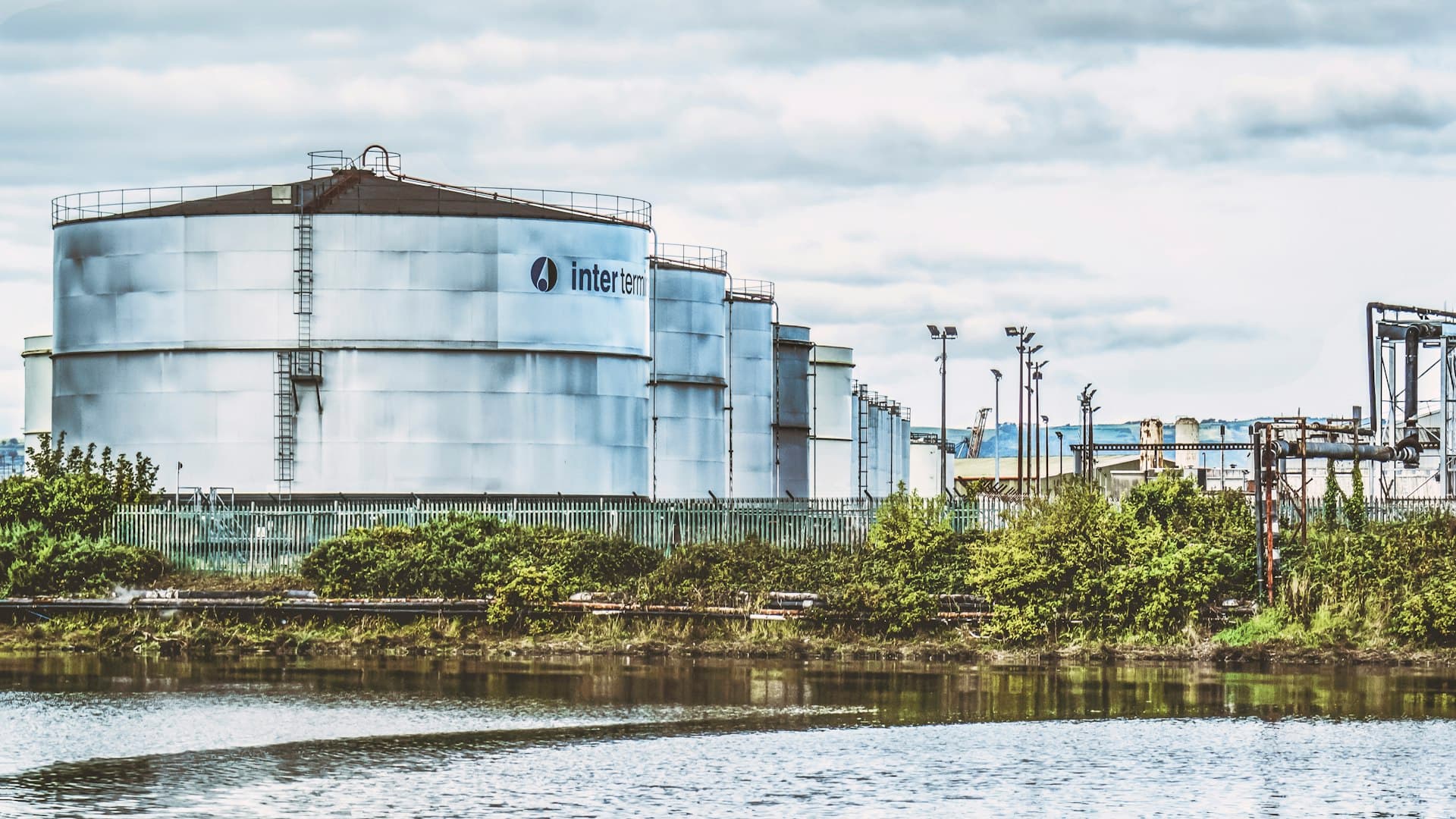
Industrial biotechnology is the least discussed direction in this domain and, measured by tonnage, one of the largest.
It covers using biological processes to make things that are currently made from oil: fuels, plastics, solvents, chemicals, enzymes and materials.
The substitution question
McKinsey Global Institute's Bio Revolution work estimated that around 60 percent of the physical inputs to the global economy could, in principle, be produced biologically.
That figure gets quoted as though it were a forecast. It is not. It is a statement about technical possibility, and the gap between what is technically possible and what gets built is entirely economic.
The question in this industry is never whether a cell can make the molecule. It is whether it can make it for less than a refinery does.
This is why industrial biotechnology is an engineering field wearing a biology label, and why staffing it with biologists alone produces demonstrations rather than plants.
What the direction covers
The scope: biofuels, biomaterials, chemicals and enzymes, biological processes replacing traditional manufacturing.
Four areas.
Enzyme production and application. The most commercially mature part. Enzymes used in detergents, food processing, textiles, paper, animal feed and as industrial catalysts. A long-established business.
Biofuels. Ethanol, biodiesel, and the harder next generation from non-food feedstocks. Heavily shaped by policy and by feedstock economics.
Bio-based chemicals and materials. Platform chemicals, solvents, and polymers including bioplastics. The area with the most active commercial development.
Biorefinery and circular processing. Using waste streams and residues as feedstock, which is where the economics frequently become viable.
Why the constraint is cost, not biology
An engineered organism that produces a target molecule is, at this point, a solvable problem for a competent team. What decides whether a plant gets built is a cost stack.
Feedstock. Frequently the largest single cost. Covered below.
Yield. How much product per unit of feedstock. Small improvements move the economics substantially because feedstock dominates.
Titre and productivity. Concentration in the broth and rate of production. Both drive the size of equipment required, which drives capital cost.
Downstream separation. Getting the product out of a dilute aqueous mixture. For commodity chemicals this is frequently the step that kills the economics, and it is the step with the least glamour and the least attention.
Capital. Fermentation plants are expensive, and financing them is harder when the comparator is an existing, depreciated petrochemical asset.
Every one of those is an engineering variable. The strain is the entry ticket.
Where this sits in the domain
Industrial biotechnology and the bioeconomy is the tenth of ten directions in Astra Trainer's biotechnology domain, and it sits on top of nearly all of the others: microbiology and biochemistry for the organism and enzymes, synthetic biology for strain engineering, and bioprocessing for scale.
Partners here almost always scope across domains. The energy, climate and nuclear domain covers carbon management and industrial decarbonisation, oil, gas and petrochemical systems and energy economics; advanced materials covers polymer science and critical minerals and circular materials; and advanced manufacturing covers the plant floor. Industrial biotechnology programs tend to be the clearest case for a multi-domain pipeline rather than a single direction. You can see the ten directions here.
The feedstock problem nobody mentions
Feedstock decides more projects than strain performance, and it appears in almost no workforce plan.
Four reasons it is hard.
Cost is volatile. Sugar, starch and vegetable oil prices move with agricultural markets, which means a process that is economic one year may not be the next, through no fault of the technology.
Food competition is a real constraint. Using agricultural crops as industrial feedstock competes with food supply, which is a political and ethical question as well as an economic one, and it shaped a large part of biofuel policy.
Waste feedstocks are cheap and difficult. Agricultural residues, forestry waste and municipal streams are inexpensive and inconsistent, contaminated and hard to break down. Making them usable requires pretreatment, which adds cost and complexity, and this is the central technical problem of second-generation biofuels.
Logistics dominate. Biomass is bulky and low in energy density, so transporting it long distances is uneconomic. This forces plants to be near feedstock, which constrains siting and scale in ways that petrochemical plants are not constrained.
The workforce implication is that feedstock specialists, supply chain analysts and pretreatment process engineers matter as much as strain engineers, and are almost never recruited as such.
Where this is already normal
Worth stating, because the field is often discussed as though it were prospective.
Industrial enzymes are a mature global business supplying detergents, food, feed, textiles and paper.
Fuel ethanol is produced at very large scale in several countries.
Citric acid, amino acids, vitamins and organic acids are made by fermentation as standard practice.
Some bioplastics are in commercial production, at higher cost than conventional polymers and selling into applications that tolerate it.
So the question for most organisations is not whether to enter a speculative field. It is whether a specific substitution works economically for them, and answering that requires people who can model the whole cost stack rather than demonstrate the biology.
The roles, named
Process engineers. The core role. Designing and optimising the whole production route.
Fermentation scientists and engineers. Upstream performance at industrial scale.
Downstream and separation engineers. Where commodity economics are won or lost, and persistently short.
Strain and enzyme engineers. Improving the biological catalyst.
Feedstock and supply chain specialists. Sourcing, pretreatment, logistics and price risk.
Techno-economic analysts. Modelling whether a route is viable before it is built. A small, high-leverage and genuinely scarce role.
Plant operators and technicians. Running the facility, and the largest population once anything is built.
Sustainability and life cycle assessment specialists. Because the environmental case is frequently the commercial case, and it has to be defensible rather than asserted.
Who can be trained into it
Oil, gas and petrochemical staff. The largest and best-matched pool available. Process engineering, plant operations, separation technology, safety discipline, project delivery and capital project experience all transfer. The gap is the biology, which is narrower than the gap in the other direction.
This also matters as a transition route. Workers moving out of fossil sectors are frequently closer to bio-based production than to anything else, and the same point appears in the energy workforce article in this section.
Chemical engineers from any process industry. Direct fit for the engineering, need the biology.
Brewing, distilling and food fermentation staff. Practical fermentation at scale.
Pulp, paper and agricultural processing staff. Already handle biomass, which is exactly the awkward material second-generation processes depend on.
Molecular biologists. Into strain and enzyme engineering, needing the industrial and economic framing.
Supply chain analysts. Into feedstock roles, which is an unusual and useful conversion.
Safety and regulatory scope. Industrial biotechnology facilities carry chemical process safety obligations, pressure and containment requirements, and in many cases classification as major-hazard sites. Work with genetically modified organisms carries containment and institutional approval requirements, and fuel and chemical products face their own regulatory regimes. Training builds process and biological understanding and the awareness of where these obligations apply. It does not constitute process safety qualification, site authorisation or regulatory approval.
What to take from this
The 60 percent figure describes technical possibility and not a forecast, and the gap between the two is cost per tonne.
Yield, titre, downstream separation and capital decide projects. The strain is the entry ticket rather than the answer.
Feedstock cost, quality and logistics kill more projects than biology does, and feedstock specialists are almost never in the plan.
Large parts of this field are already mature, so the real question is usually whether one specific substitution is economic rather than whether to enter the field at all.
And oil, gas and petrochemical staff are the best-matched transferable pool in the whole domain, which makes this direction one of the more practical transition routes available.
What limits industrial biotechnology?
Cost per tonne against an optimised petrochemical incumbent. Yield, titre, downstream separation and capital cost decide viability, and the engineered organism is the entry requirement rather than the differentiator.
Why does feedstock matter so much?
It is frequently the largest cost, its price is volatile, food-crop feedstocks carry a competition problem, waste feedstocks are cheap and difficult, and biomass logistics force plants to sit near their supply.
Is any of this commercial yet?
Substantial parts are mature: industrial enzymes, fuel ethanol, citric acid, amino acids and vitamins are all produced by fermentation as standard practice. Some bioplastics are commercial at a cost premium.
Who transfers into this field most easily?
Oil, gas and petrochemical staff, by a distance. Process engineering, plant operations, separation technology and safety discipline all carry across, and the biology gap is narrower than the reverse.
Where does this fit in the domain?
Tenth of ten directions in Astra Trainer's biotechnology domain, and the one most often scoped across domains with energy, materials and advanced manufacturing. You can see them here.