
Biotechnology & Bioeconomy
Programming biology: from the cell and the genome to fermentation tanks and biomanufactured materials.
Training catalog: Biotechnology →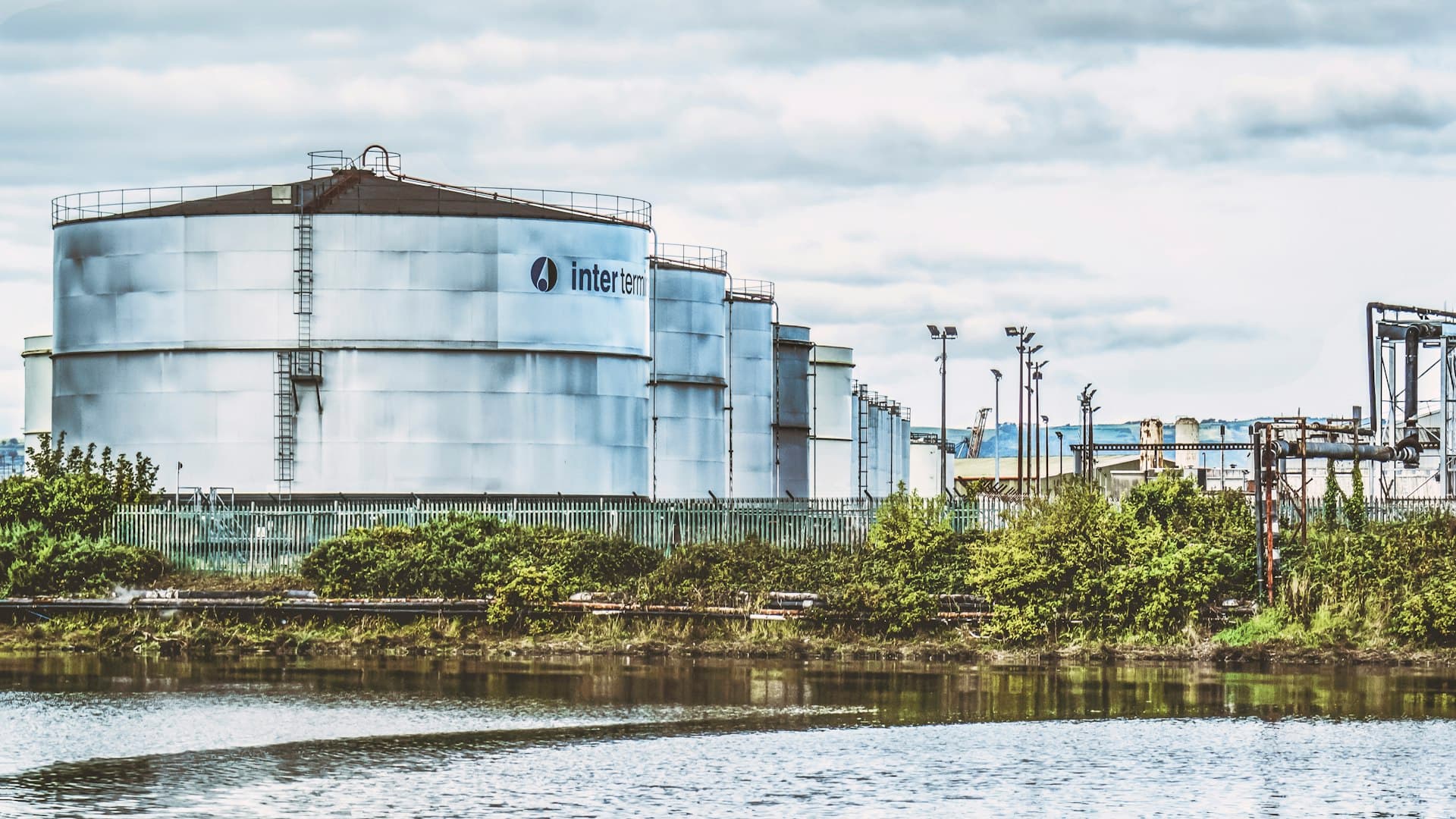
Making Chemicals With Cells Instead of Oil
Industrial biotechnology substitutes biological production for petrochemical routes. The constraint is almost never the biology. It is cost per tonne, and that is an engineering workforce problem.
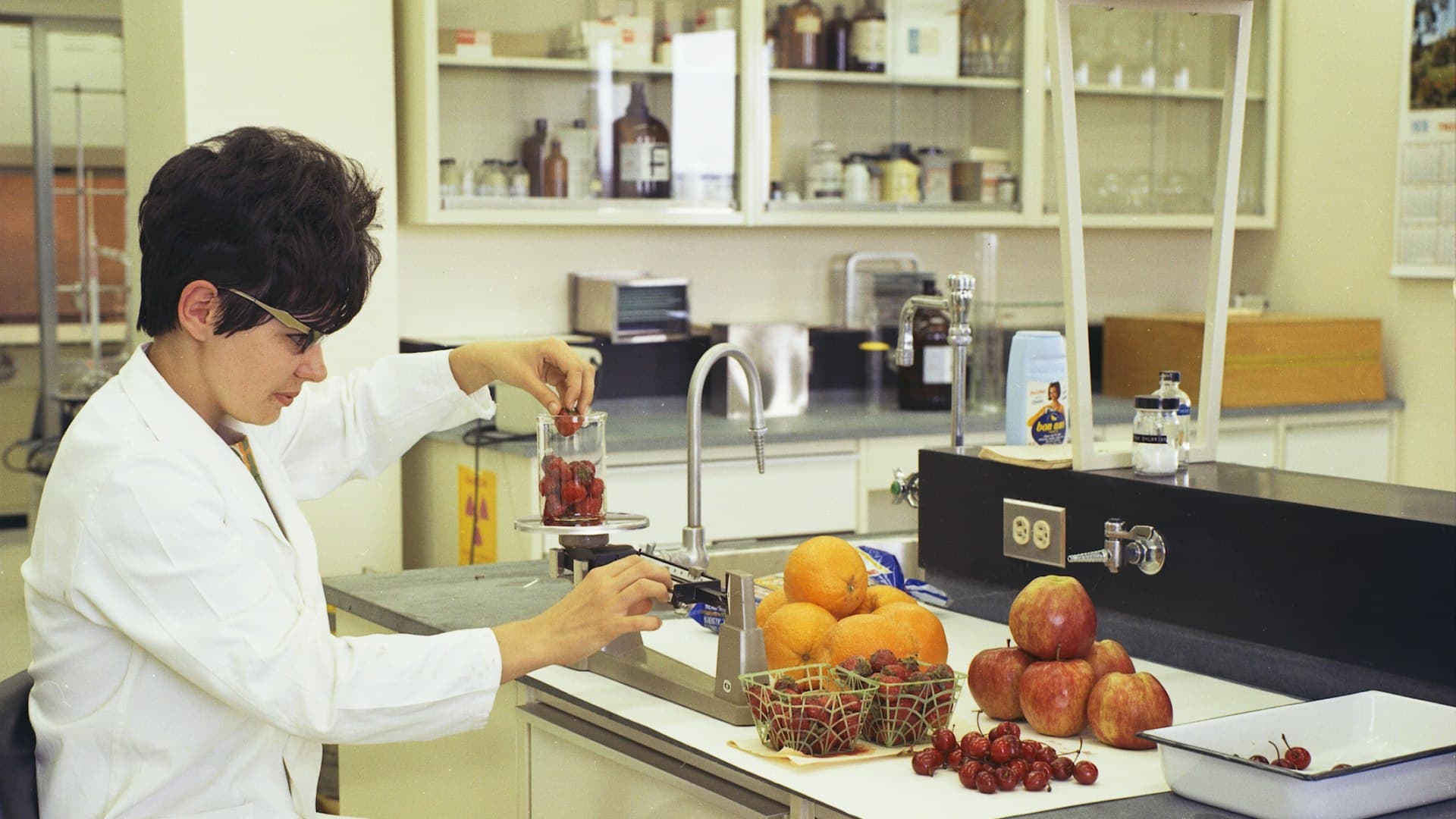
Fermentation Moved From the Brewery to the Factory
Agricultural and food biotechnology now covers plant breeding, precision fermentation and cultivated products. What is commercial, what is still proving its economics, and who staffs it.
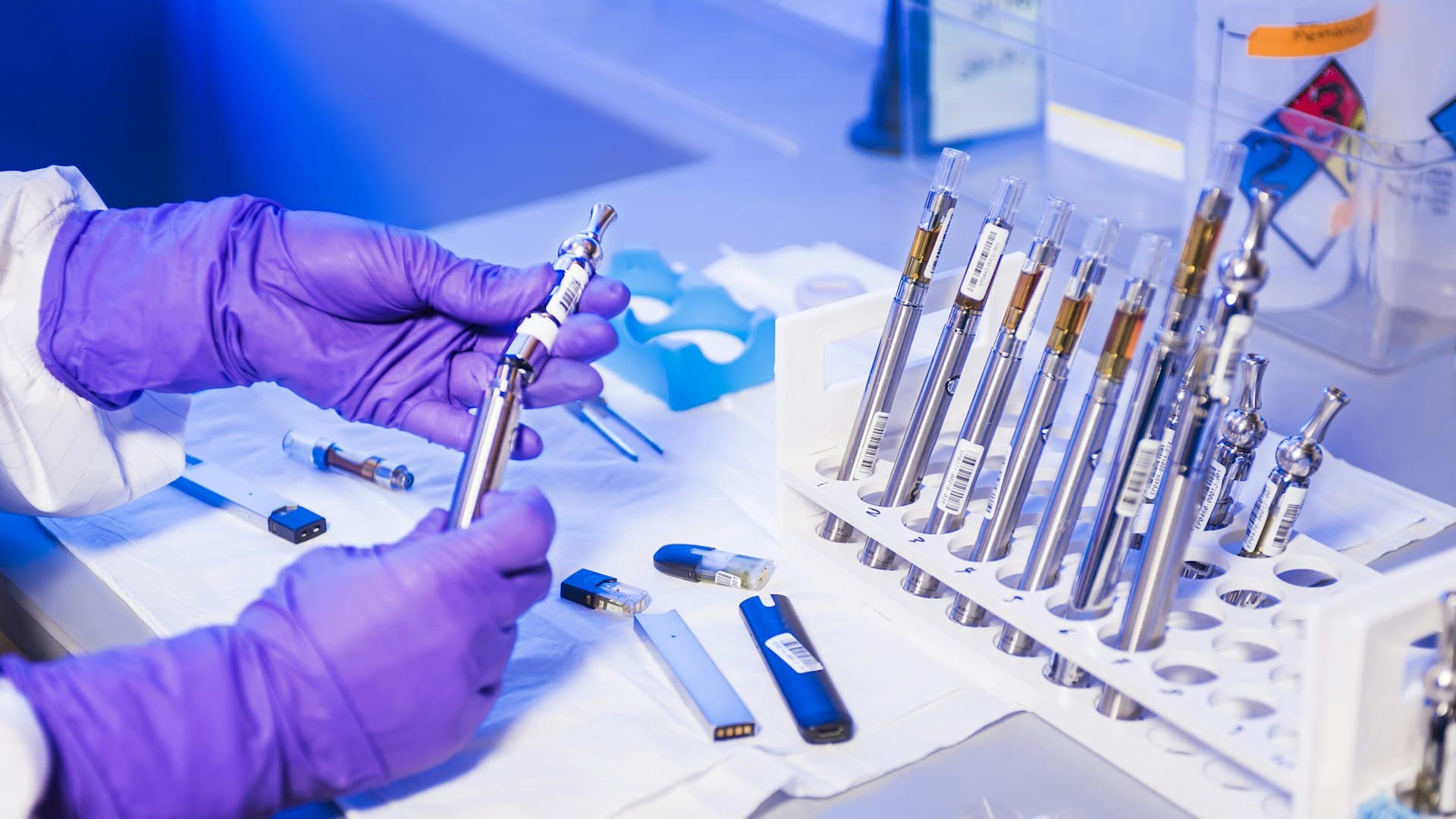
The Drug Development Roles That Do Not Need a PhD
Pharmaceutical workforce plans fixate on the discovery scientist. Most of the headcount, and most of the shortage, sits in roles that need structured training rather than a doctorate.
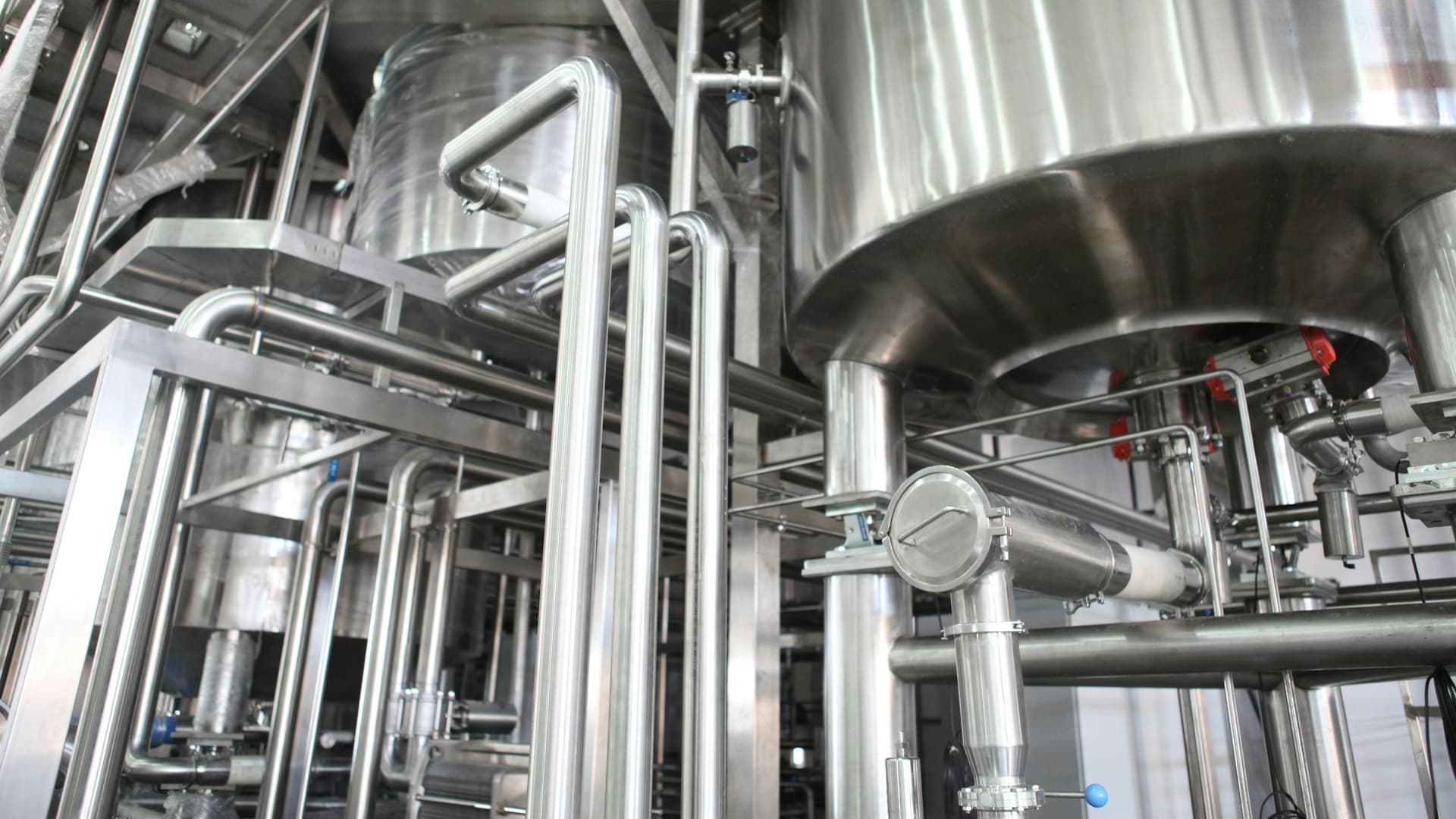
Scale-Up Is Where Biotech Programs Die
A process that works in two litres and fails in two thousand is the most common expensive failure in the industry. Why it happens, what capability prevents it, and where those people come from.
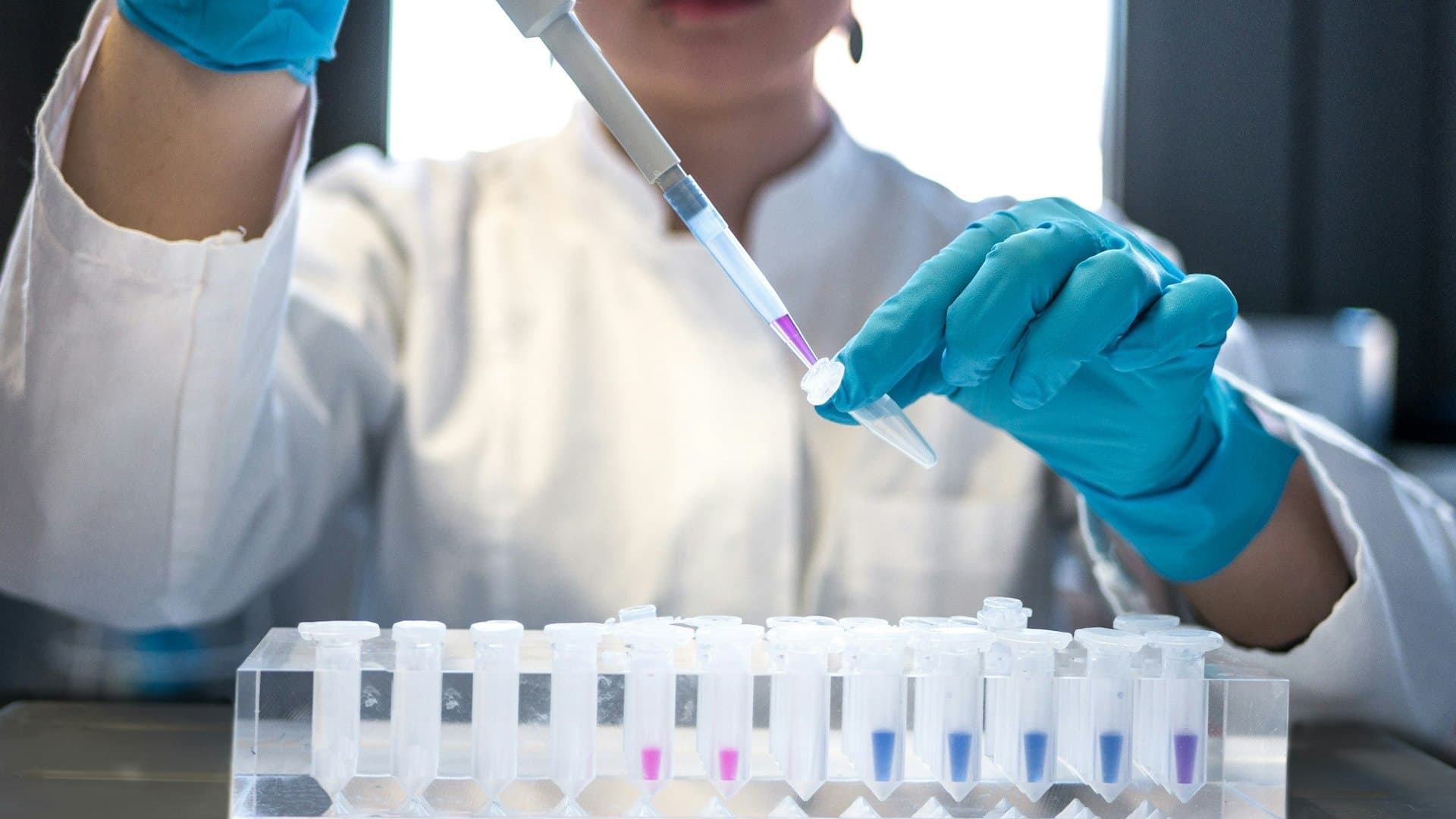
CRISPR Is a Technique. Synthetic Biology Is a Job
Gene editing became routine faster than the workforce around it did. What synthetic biology roles actually involve, what is production-ready versus still in trials, and who can be trained into the work.
The Bioinformatics Hire Everyone Is Looking For and Nobody Can Find
The job description asks for a computational scientist who is also a biologist. That person is rare, expensive and usually already employed. Building the capability instead, from either direction.
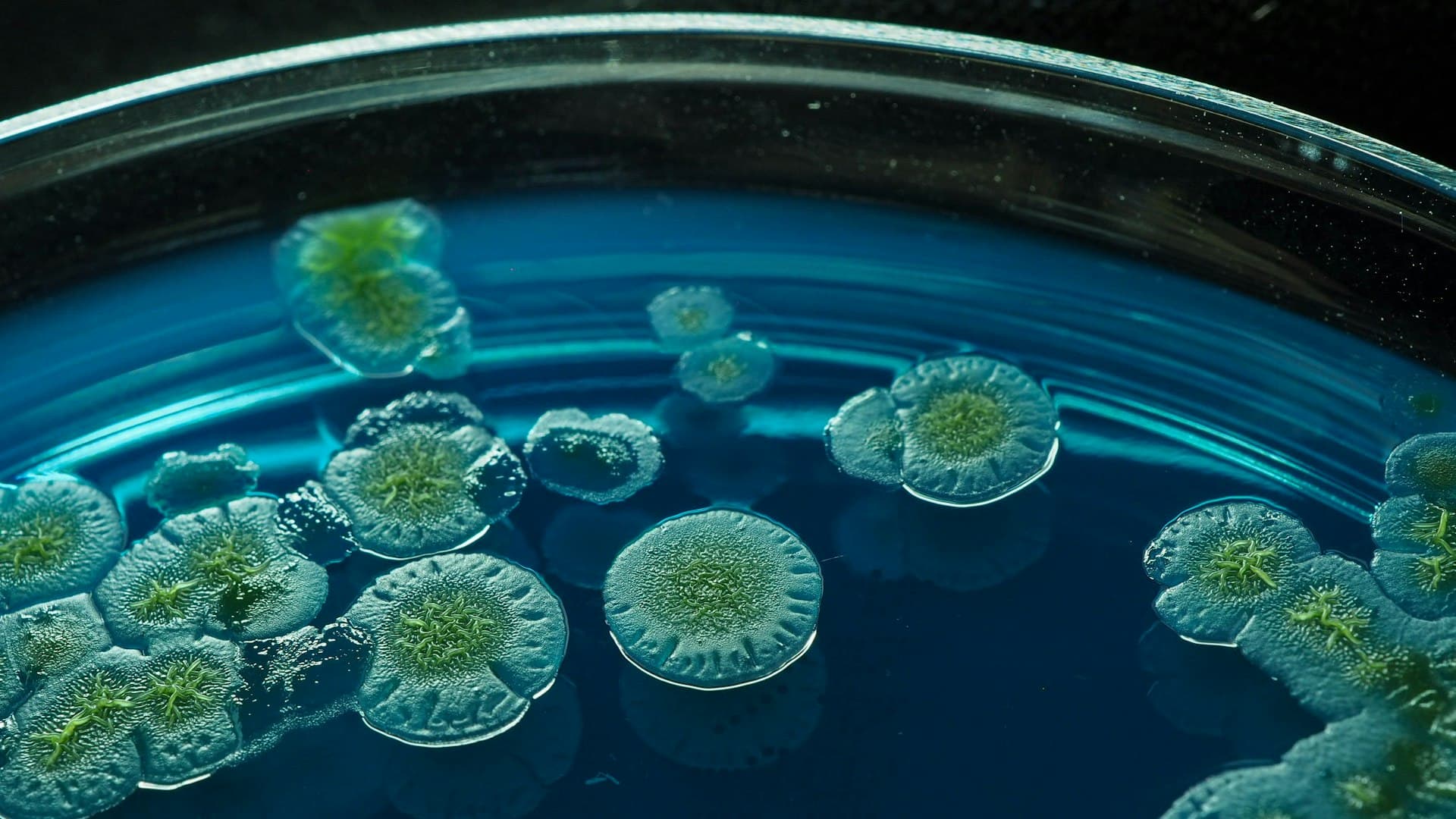
Microbiology Became an Industrial Discipline
Microbes are now production equipment, contamination risk and regulatory exposure at the same time. The roles this creates, and why sterility assurance is harder to staff than it looks.
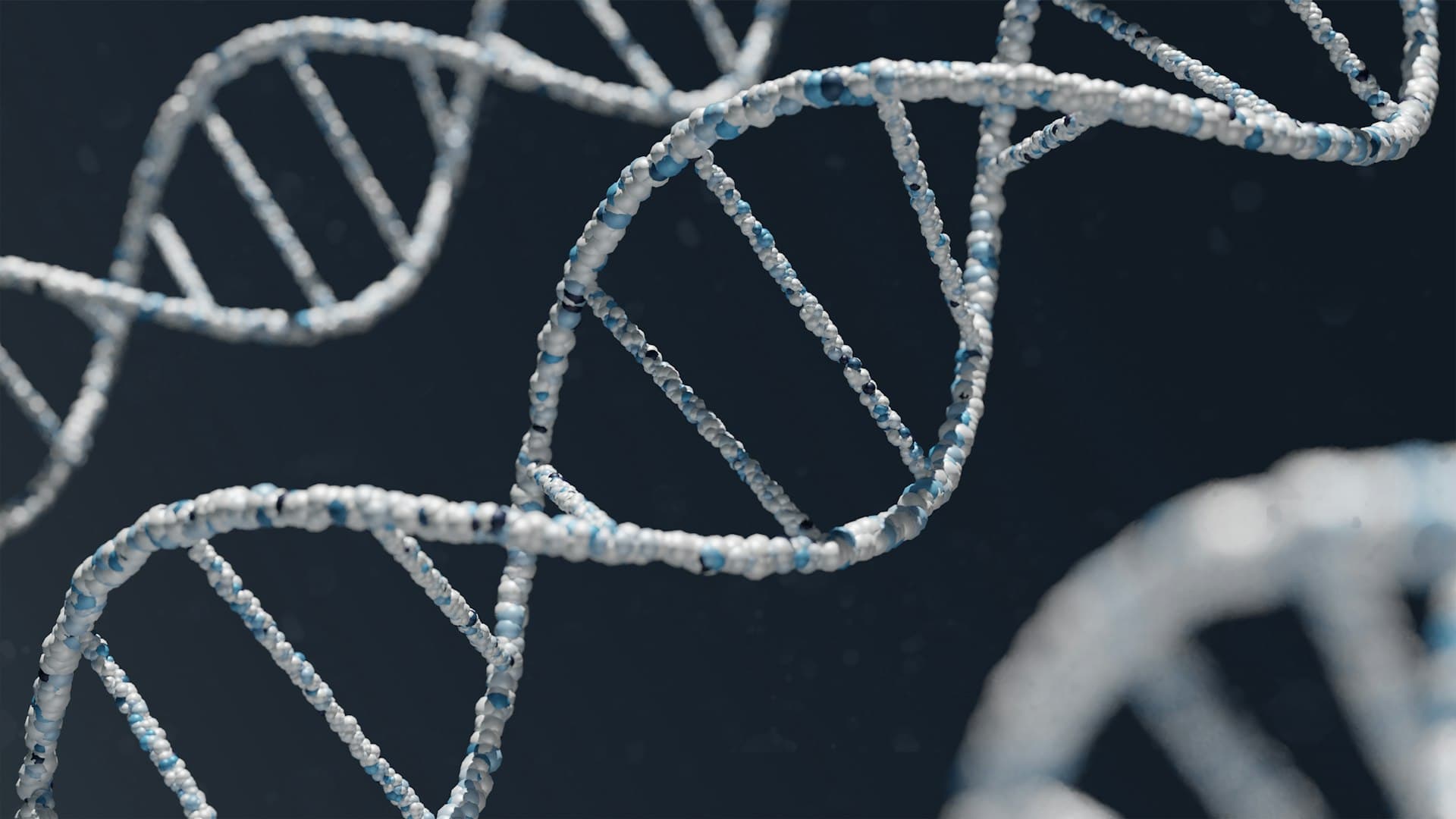
Sequencing Got Cheap. Interpretation Did Not
The cost of reading a genome collapsed and the cost of understanding one did not move much. Where the genomics workforce constraint actually sits, and who can be trained into it.
Biochemistry Is the Layer That Explains Why the Process Failed
Enzymes, proteins and metabolism decide whether a bioprocess works, a formulation is stable and an assay means anything. The direction most biotech workforce plans skip, and the problems that follow.
The Bench Skills Every Other Biotech Role Sits On Top Of
Cell and molecular biology is the layer every biotech job assumes and few programs teach deliberately. What it covers, which roles need it, and why people fail at the next step without it.