
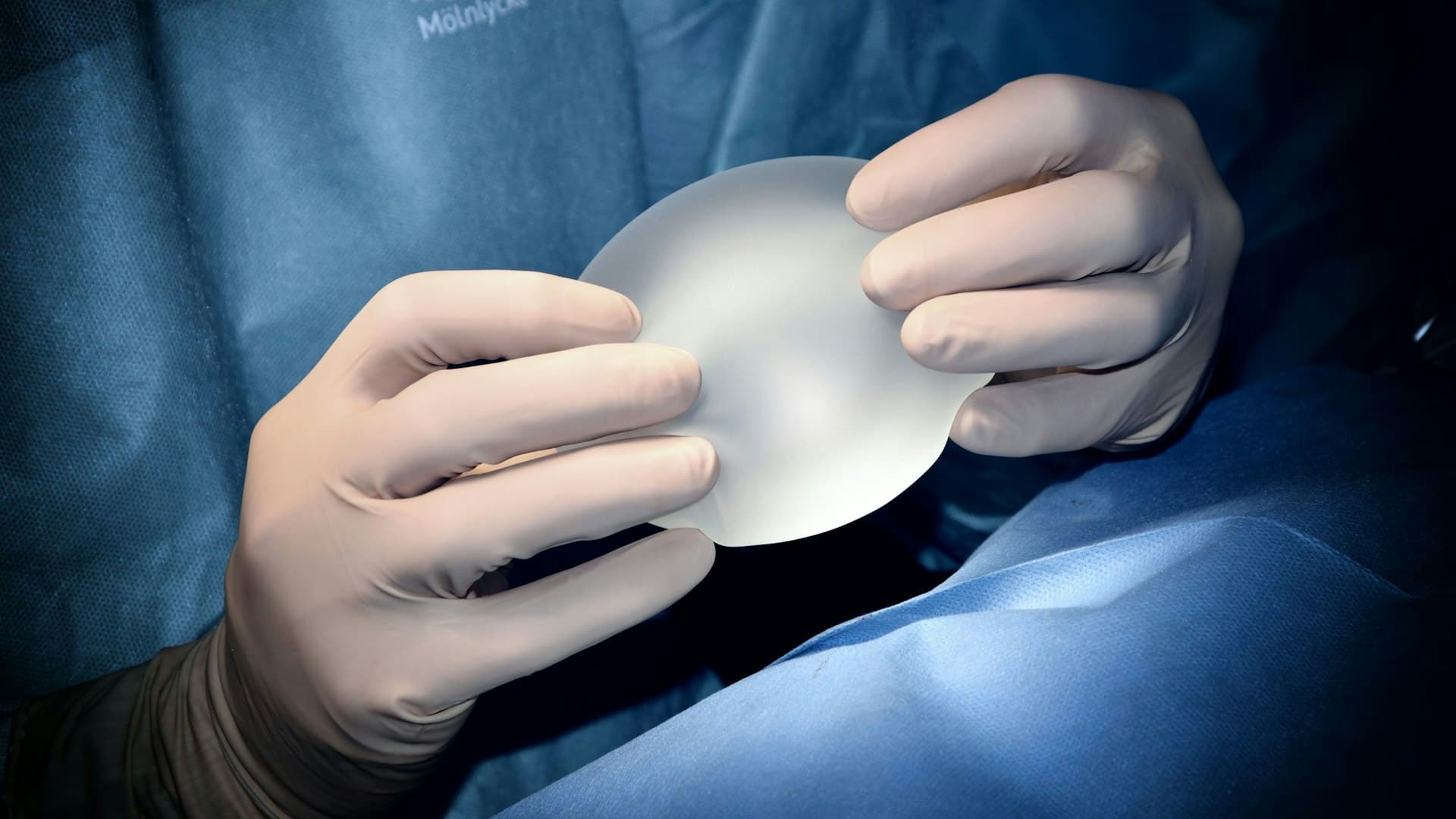
Biomaterials is the only materials direction where the application environment is alive and actively responds to what you put in it.
That single fact reorganises the whole discipline.
The environment pushes back
An implanted material faces a warm, salty, chemically active environment at a controlled temperature, under cyclic mechanical loading, for years or decades, with no maintenance and no inspection.
That alone would be demanding. The harder part is that the body reacts.
Proteins adsorb within seconds. Whatever you implanted, the biological system encounters a protein layer that formed on its surface, and the composition of that layer depends on the surface chemistry.
Cells respond to the surface. Texture, chemistry, stiffness and wettability all influence whether cells attach, what they do and what they signal.
An inflammatory response follows any implantation. The question is not whether it happens but how it resolves.
Fibrous encapsulation is common. The body walls off foreign material, which for some devices is acceptable and for others, such as sensors, destroys function.
You are not designing a part that sits in an environment. You are designing an interface that a living system will negotiate with for the rest of the patient's life.
What the direction covers
The scope: implant materials, tissue interfaces, biodegradable and regenerative materials.
Four areas.
Material classes. Metals for load-bearing implants, polymers for soft tissue and degradable devices, ceramics for bearing surfaces and bone contact, and composites and hydrogels.
Biocompatibility. What it means, how it is assessed, and why it is a property of a material in a specific application rather than of a material alone.
The tissue interface. Surface chemistry, topography, protein adsorption and cell response.
Degradation and regeneration. Materials designed to disappear, and scaffolds designed to be replaced by tissue.
Four ways implants actually fail
Rarely the bulk material breaking, which is what most engineers instinctively design against.
Wear particles. In joint replacements, small particles generated at bearing surfaces provoke a biological response that can lead to bone loss around the implant and loosening. The device did not break. It shed particles, and the body reacted to them.
Stress shielding. A metal implant much stiffer than bone carries load the bone used to carry. Bone remodels according to load, so it thins. The mechanical mismatch, not a material failure, causes the problem.
Infection at the surface. Bacteria can colonise implant surfaces and form biofilms that resist both immune response and antibiotics. This is a surface problem and a major cause of revision surgery.
Interface failure. Loosening between implant and tissue or bone, which is where fixation was inadequate or the biological integration did not occur.
The common thread for a workforce plan: the capability that matters is surface and interface understanding, and most engineering education addresses bulk properties.
Where this sits in the domain
Biomaterials is the seventh of eleven directions in Astra Trainer's advanced materials domain, drawing on metallurgy for implant alloys, polymers for degradable and soft devices, ceramics for bearing surfaces, surface engineering for coatings and texture, and nanotechnology for delivery systems.
It is almost always scoped alongside the medicine and healthtech domain, where medical devices and biomedical engineering covers the regulatory and design-control layer, and human anatomy and physiology covers the environment. Partners in medtech usually need both. You can see the eleven directions here.
Degradable materials, where timing is the design
The most conceptually distinctive part of the direction.
Some devices are designed to disappear: absorbable sutures, degradable fixation screws, drug delivery systems, tissue scaffolds. The design variable is a rate, and both errors are failures.
Degrading too fast means the device stops providing support before the tissue can carry the load, and the repair fails.
Degrading too slowly means a foreign body remains longer than intended, prolonging the inflammatory response and sometimes defeating the purpose of using a degradable material at all.
Three things make the rate hard to control.
Degradation is patient-dependent. It varies with site, vascularity, loading and individual biology, so a rate measured in a laboratory is an estimate.
Degradation products matter. Some produce acidic byproducts that can cause a local tissue response if they accumulate faster than they clear.
Mechanical properties fall during degradation. The device is weakening throughout its service life, so the design case is a moving target rather than a fixed one.
Scaffolds for tissue regeneration take this further: the material has to degrade at approximately the rate that new tissue forms, which is a coordination problem between a manufactured object and a biological process.
The roles, named
Biomaterials scientists and engineers in medical device companies.
Surface engineering specialists for implants. Coatings, texturing and surface modification, which is where much of the performance is decided.
Biocompatibility and preclinical testing specialists. Designing and interpreting the testing package, which is a regulatory requirement and a technical judgement.
Failure analysis specialists for explanted devices. Small, valuable and scarce, and the source of most real learning in the field.
Materials and process engineers in implant manufacturing, including cleanroom production and sterilisation effects on materials.
Tissue engineering and scaffold scientists.
Drug-device combination specialists, where a material carries and releases a drug.
Regulatory specialists with materials depth, who can defend a material choice in a submission.
Who can be trained into it
Materials engineers from other sectors. Hold the bulk materials understanding and need the biological interface layer plus the regulatory framework. The most common route.
Medical device engineers. Understand the regulatory environment and frequently lack materials depth, which is the reverse conversion and equally useful.
Chemists. Into surface modification, degradable polymers and drug-device work.
Biologists and biomedical scientists. Understand the tissue response and need the materials and engineering half.
Manufacturing staff from regulated production. Pharmaceutical or aerospace, into implant manufacturing where cleanliness and traceability culture transfers directly.
Laboratory staff. Into biocompatibility testing and characterisation.
This sits inside medical device regulation. Implantable devices are regulated products requiring conformity with the applicable regulations in each market, biological evaluation to recognised standards, quality management system certification, clinical evidence and post-market surveillance. Sterilisation validation is its own regulated activity. Training builds materials and interface understanding and prepares people to work within that framework. It does not constitute biological evaluation, regulatory approval, or authority to place a device on any market, and the medical devices direction in the medicine and healthtech domain covers that framework properly.
What to take from this
The environment is alive and responds, so the interface decides outcomes more often than the bulk properties do.
Surface chemistry and texture drive the biological response, which means two implants of the same alloy can perform completely differently.
Most failures are wear particles, stress shielding, surface infection or interface loosening, and none of them is the material breaking.
Degradable devices are designed around a rate that is patient-dependent, with mechanical properties falling throughout service life.
And the two useful conversions run in opposite directions: materials engineers needing biology and regulation, medical device engineers needing materials depth.
What makes biomaterials different from other materials work?
The environment responds. Proteins adsorb within seconds, cells react to the surface, and an inflammatory response follows any implantation. The interface, not the bulk material, usually decides success.
Why do implants fail?
Usually wear particles provoking bone loss, stress shielding causing bone to thin, surface infection and biofilm, or loosening at the interface. Rarely the bulk material breaking.
What is hard about degradable devices?
The rate is the design. Degrading faster than tissue heals loses support; degrading slower prolongs the foreign body response. Rate varies by patient and site, and strength falls throughout service life.
Who converts into this field?
Materials engineers needing the biological interface and regulatory layer, and medical device engineers needing materials depth. Chemists into surface modification and degradable polymers.
Where does this fit in the domain?
Seventh of eleven directions in Astra Trainer's advanced materials domain, almost always scoped with medical devices in the medicine and healthtech domain. You can see them here.