
Advanced Materials & Nanotechnology
What everything is made of — and the coatings, supply chains and critical minerals that decide who can make it.
Training catalog: Materials →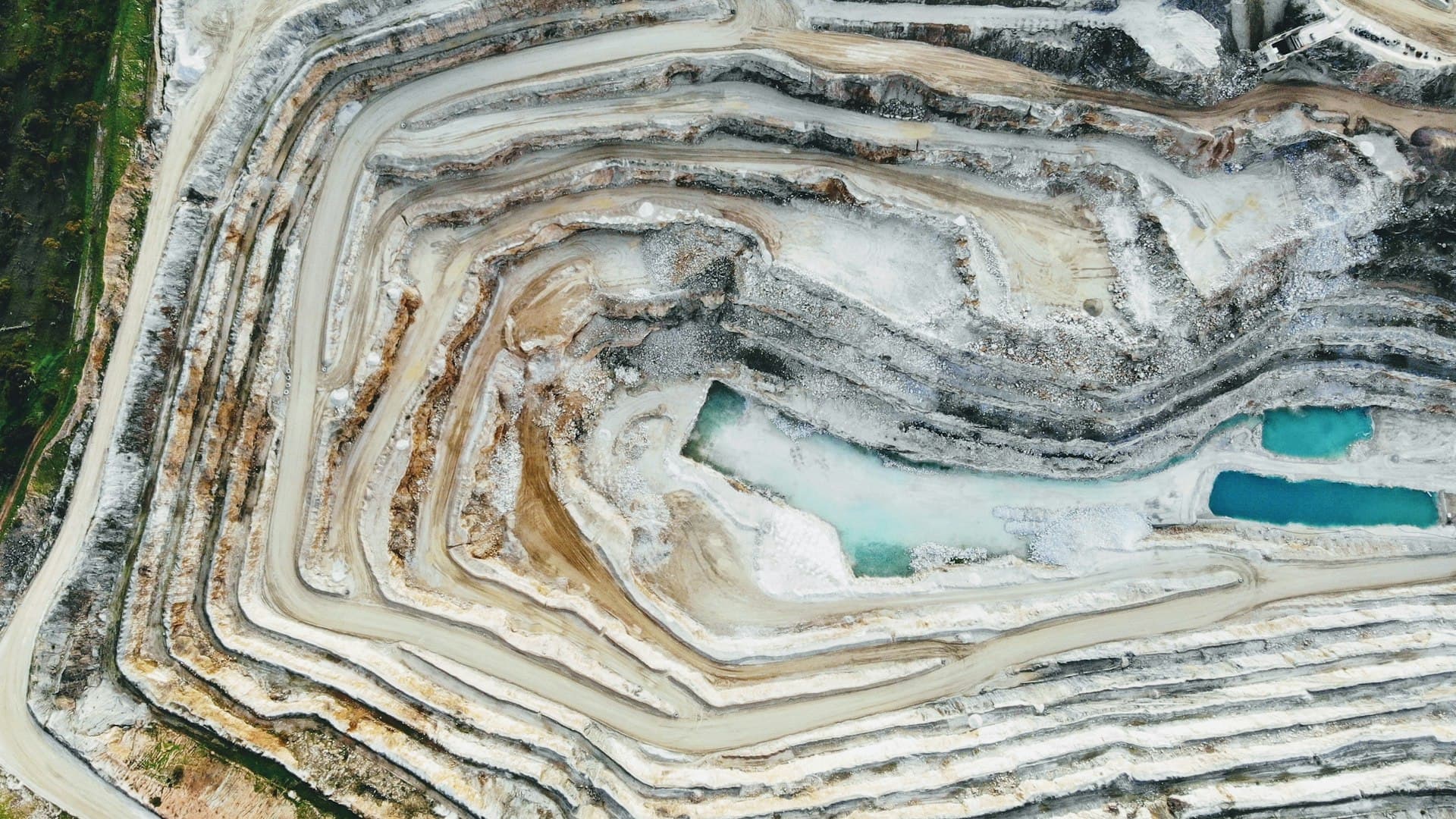
Eighty-Six Percent of Refining Sits in Three Countries
The concentration in critical minerals is in refining rather than mining, and it rose between 2020 and 2024. What that means for workforce planning, and where recycling actually helps.

Corrosion Is the Largest Invisible Cost in Industry
Corrosion and wear consume a significant share of industrial asset value every year, mostly as maintenance nobody attributes to it. The capability that prevents it is small and shrinking.
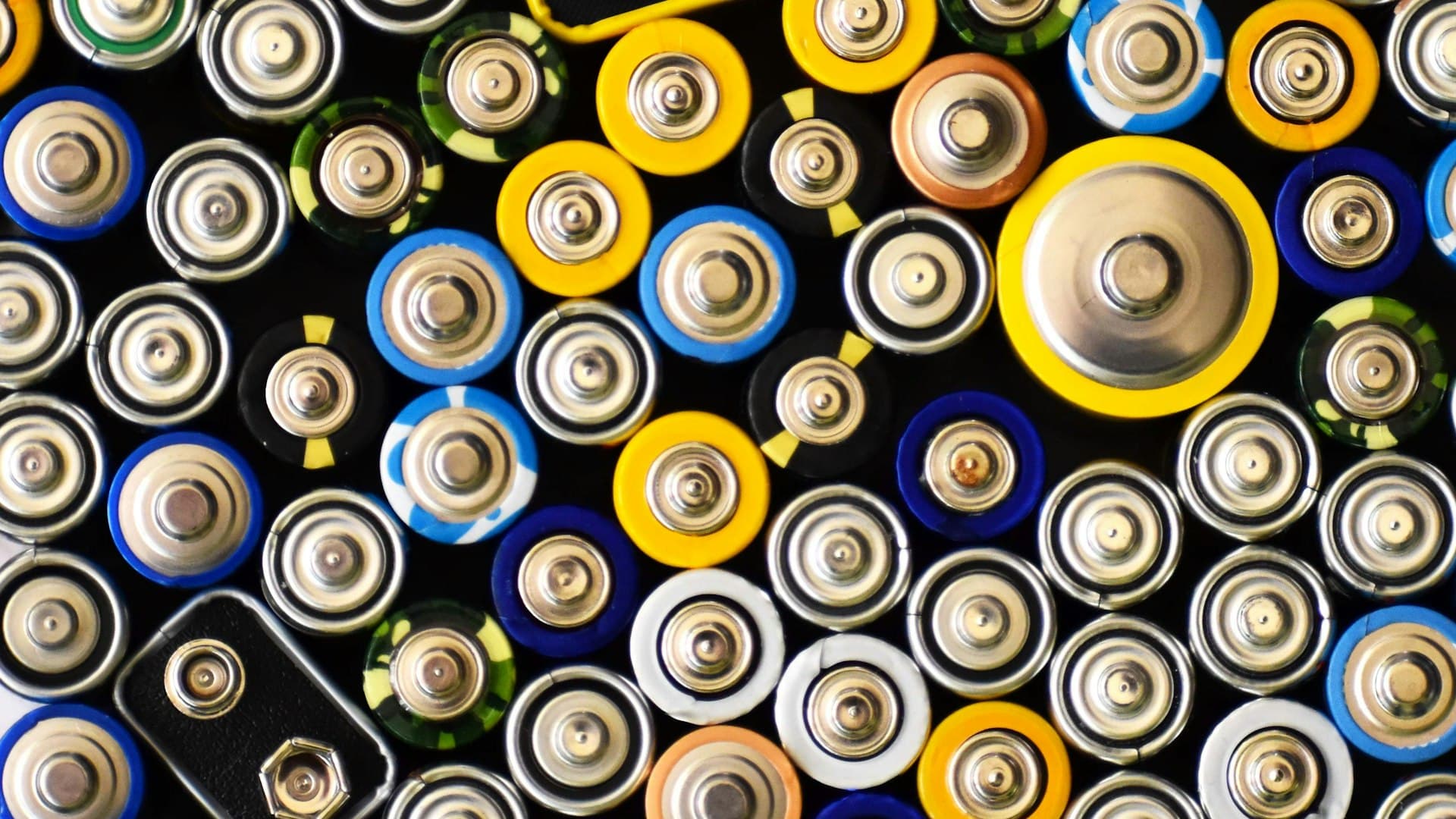
Battery Chemistry Is a Manufacturing Problem
The cell chemistry is usually known. What separates companies is making electrodes uniformly, at scale, with the defect rate a safety-critical product requires.

The Materials Layer Every Chip Roadmap Waits On
Device roadmaps are increasingly limited by materials rather than by design. Purity, interfaces and a concentrated supply chain decide what can be built and when.

Designing for the One Environment You Cannot Control
A biomaterial has to survive a body, and the body responds to it. Why the response decides success more often than the mechanical properties, and who can be trained into this work.

Nanotechnology Is a Set of Tools, Not an Industry
Almost nobody is hired as a nanotechnologist. The capability sits inside semiconductors, medicine, coatings and energy, and that is where the workforce planning belongs.
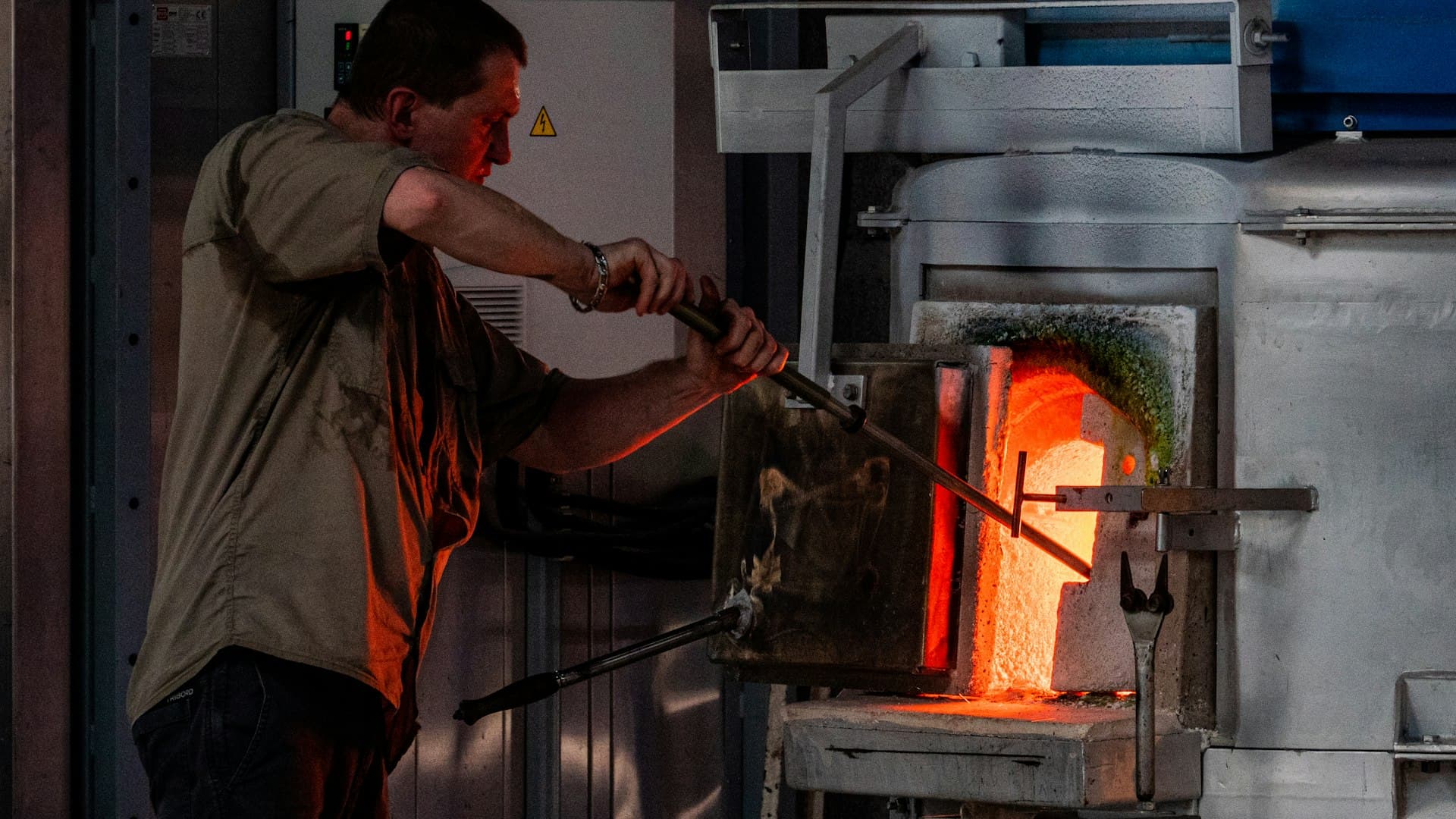
The Materials That Survive What Metals Cannot
Ceramics and glass hold the high-temperature, wear and electrical jobs nothing else can do. They also fail without warning, which changes how they must be designed and staffed.

Composites Are Manufactured, Not Just Designed
In a composite the material and the part are made at the same time, which means the process is the material. Why that reshapes hiring, inspection and repair.

Recyclable Is Not the Same as Recycled
Polymer science decides whether a part survives, and whether a material ever actually gets recycled. The distinction most sustainability claims blur, and the capability that lets you check.
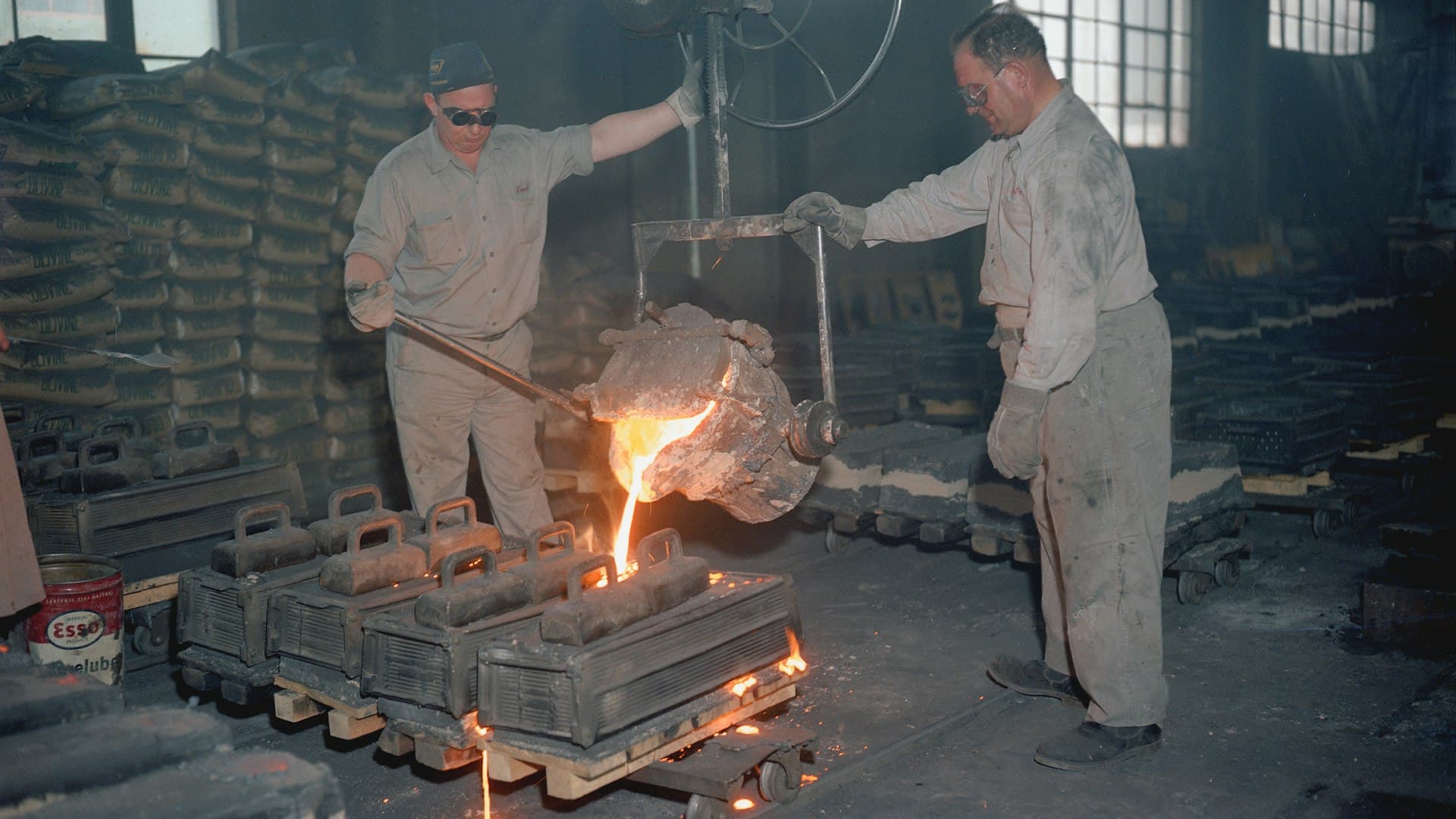
The Metallurgist Shortage Nobody Planned For
Metallurgy departments were cut when manufacturing was offshored. The metal did not stop mattering, and the people who understand it are now retiring with knowledge nobody wrote down.

Why Materials Decide What You Can Build
A small occupation gates what a much larger industry is able to make. What materials science covers, where the capability gap shows up, and who can be trained into it.