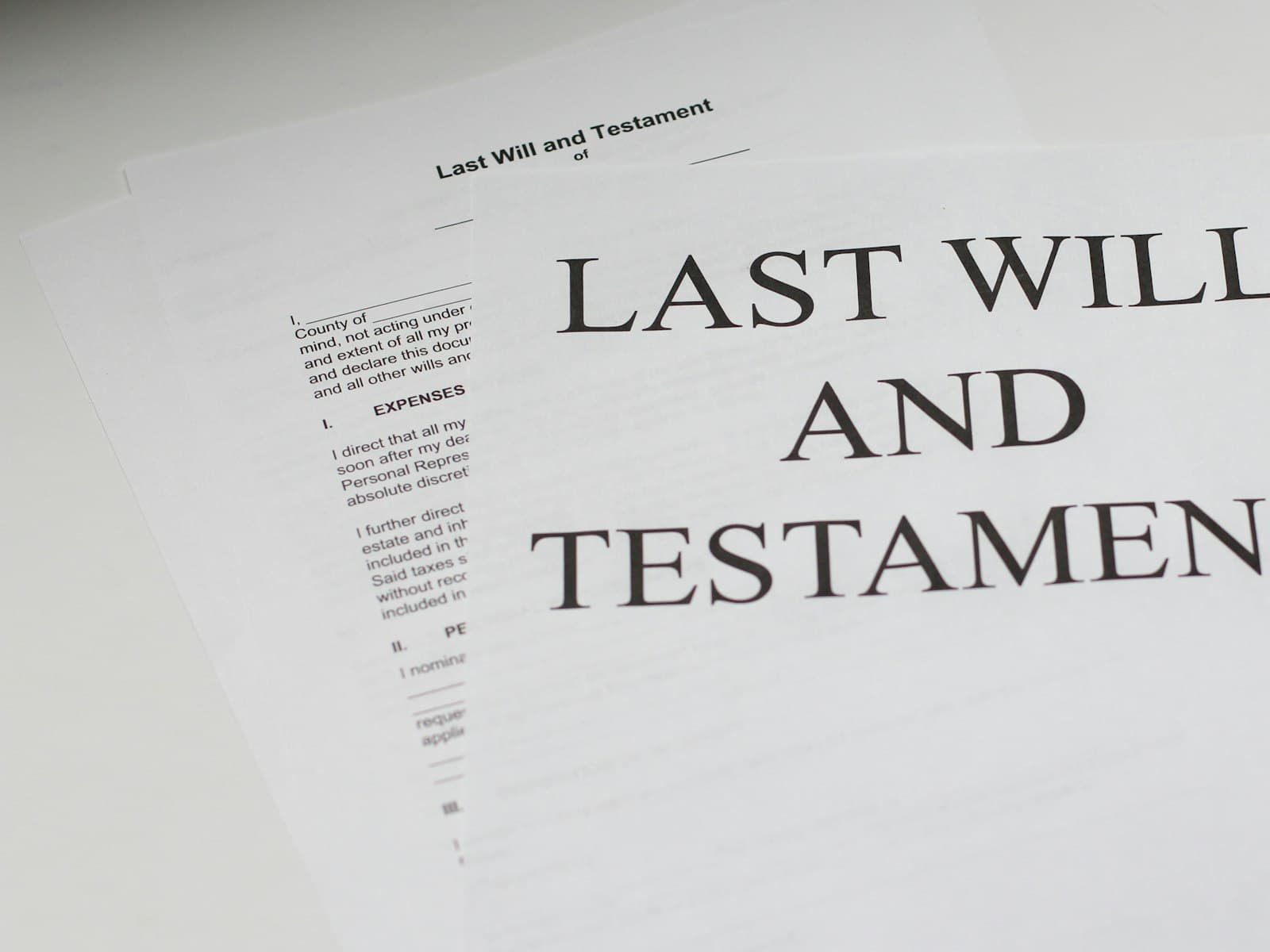
What is probate? It is the legal process for settling a person's affairs after they die: proving that their will is valid, identifying what they owned and owed, paying debts and taxes, and passing what remains to the people entitled to it. The word comes from the Latin probare, to prove, because the first step is proving the will. Probate protects everyone involved, but it can also be slow, costly and public, which is why so much estate planning is about what can pass outside it.
This article explains what probate involves, the main steps, what happens without a will, which assets avoid probate, and how trusts fit in. It explains the process in general and is not legal advice.
What is probate?
When someone dies, their property, called their estate, does not transfer to anyone automatically in most cases. Someone needs legal authority to deal with it: to close accounts, sell or transfer property, and pay debts. Probate is the process that gives that authority and supervises how it is used.
In the United States, probate is handled by state courts, sometimes called probate or surrogate's courts, under state law. Many states have adopted all or part of the Uniform Probate Code, first published in 1969, though the details still vary considerably. In England and Wales, the Probate Registry issues a document called a grant of probate, or, where there is no will, letters of administration.
The person who manages the estate is usually called the executor if named in a will, or the administrator or personal representative if appointed by the court.
Probate is not a tax or a penalty. It is the process of giving someone legal authority to settle an estate, and checking they do it properly.
The main steps
The process differs by place, but most probate follows the same broad sequence.
| Step | What happens |
|---|---|
| 1. File with the court | The will, if there is one, is submitted and the executor asks to be appointed |
| 2. Validate the will | The court confirms it is genuine and properly made |
| 3. Notify heirs and creditors | Beneficiaries are told, and creditors are given a period to make claims |
| 4. Inventory the estate | Assets are identified and valued |
| 5. Pay debts and taxes | Valid debts, expenses and any taxes due are paid from the estate |
| 6. Distribute what remains | Assets pass to beneficiaries under the will or the law |
| 7. Close the estate | The court approves final accounts and releases the executor |
Simple estates, with a clear will and few assets, may move quickly, and many places have simplified procedures for small estates. Complex estates, disputes over the will, or property in several places can take much longer.
Why probate can be slow, costly and public
Time. Creditor notice periods, court schedules and the work of valuing and selling assets mean probate often takes many months and sometimes more than a year. During that time, beneficiaries may be unable to access what they are due.
Cost. Court fees, legal fees, executor fees and appraisal costs are paid from the estate. How much depends on the place, the size and complexity of the estate, and whether professionals are involved.
Publicity. In the US, probate filings, including wills and inventories of assets, are generally public records. Anyone can often find out what someone owned and who inherited it. For some families, that loss of privacy matters as much as the time and cost.
Check yourselfSomeone dies without a will, leaving a partner of twenty years they never married. Before reading on: does the estate skip probate, and what do you expect the partner to receive?Show the answerHide the answer
Probate still happens. Because there is no named executor, the court appoints an administrator, and the estate passes under the law's default order, usually to a spouse, children or other close relatives. An unmarried partner may receive nothing. The missing executor and the extra facts to establish can also make probate slower.
What happens without a will
If someone dies without a valid will, they are said to have died intestate. Probate still happens, but the court appoints an administrator, and the estate passes according to the law's default rules, usually to a spouse, children or other close relatives in a set order.
Those default rules may not match what the person would have wanted, particularly for unmarried partners, stepchildren or friends, who may receive nothing. Intestacy can also make probate slower, because there is no named executor and more to establish.
How this is taught inside Astra Trainer
The Trusts direction in the Business & Finance world is the largest in that world, twenty-six courses on how title separates from control and which structures serve which purposes, starting with courses such as Basic Trust Concepts, Core Trust Actors and Property, Dominion and Estates.
Probate is where those ideas meet real life. Understanding who legally owns what, and how that changes at death, is the key to understanding why some assets go through probate and others do not. Lessons take about five minutes and a guide walks you through anything strange.
Assets that usually avoid probate
Probate only deals with assets that were owned by the person alone, in their own name, without instructions for what happens at death. Several common arrangements pass outside it.
- Jointly owned property with survivorship rights. When one owner dies, the property passes automatically to the surviving owner.
- Accounts and policies with named beneficiaries. Life insurance, many retirement accounts, and bank accounts marked payable on death go directly to the named person.
- Assets held in a trust. Property legally owned by a trust is not part of the person's probate estate, because the person no longer owned it in their own name.
This is why beneficiary designations are so important and so often overlooked. An out-of-date beneficiary form usually takes priority over a will, which can send an account to someone the person no longer intended to benefit.
Check what would pass outside probate for you today
Ticked: 0 of 4
This is not a score of how prepared you are. Each unticked item is something probate, the default rules or an old form could end up deciding for you. Rules differ widely by place, so a lawyer where you live can say which items matter in your case.
How trusts fit in
A trust separates legal ownership from the benefit of property, as explained in what is a trust and how does it work. A revocable living trust, set up during life, holds assets that the person usually still controls as trustee. When they die, a successor trustee takes over and distributes the assets under the trust's terms, without needing probate for those assets.
That is one of the main reasons people create living trusts: to avoid the time, cost and publicity of probate. It is not the only reason, and trusts have their own costs and administration. The guide to types of trusts covers which structures serve which purposes.
A trust only avoids probate for assets actually transferred into it. Property left outside the trust may still go through probate, which is why a will is usually kept alongside a trust as a backstop.
General information, not legal or tax advice. Probate rules, fees, timelines and small-estate procedures differ widely between states and countries, and estate and inheritance taxes depend on where the person lived and what they owned. For any real estate, will or trust decision, speak to a qualified lawyer where you live.
Why estate planning is easier to understand in steps
Probate, wills, trusts and beneficiary forms are often discussed as a tangle. Taken one at a time, who owns what, what happens at death, which paths bypass the court, they become far easier to follow.
Astra Trainer is built around learning in steps. Quizzes follow each topic and each course ends with a ten-question final exam, while daily quests, points and a streak keep five-minute lessons going. A Circle gives you a small group with a shared weekly goal and live sessions, which helps with subjects families often find hard to discuss.
What to take from this
Probate is the legal process for settling an estate after death: validating the will, paying debts and taxes, and distributing what remains, under a court's or registry's supervision.
It can be slow, costly and, in the US, public. Without a will, the estate passes under default rules that may not match the person's wishes.
Joint ownership with survivorship, named beneficiaries and trusts usually pass outside probate, which is why living trusts are so often used to avoid it.
Which is why the most useful answer to what is probate is a question about ownership: whatever someone owns alone, in their own name, at death is what probate has to deal with.
Test yourself
Question 1 of 3
An executor wants to hand the estate to the beneficiaries a week after being appointed. Why does the usual probate sequence make them wait?
What is probate?
Probate is the legal process for settling a person's estate after death. It confirms the will is valid, gives an executor authority to act, pays debts and taxes, and distributes the remaining property to the people entitled to it, under the supervision of a court or registry.
How long does probate take?
It varies widely by place and estate. Simple estates may be settled relatively quickly, especially under small-estate procedures, while complex estates or disputed wills can take a year or more. Creditor notice periods alone often take several months.
What happens if someone dies without a will?
They are said to die intestate. The estate still goes through probate, but a court appoints an administrator and property passes according to the law's default order of relatives, which may not match the person's wishes.
Which assets do not go through probate?
Usually jointly owned property with survivorship rights, accounts and insurance policies with named beneficiaries, and assets held in a trust. Only assets owned solely in the person's own name, without instructions for death, normally require probate.
Where can I learn how trusts and estates work in short lessons?
The Trusts direction inside the Business & Finance world of Astra Trainer runs to twenty-six courses on trust concepts, trust roles, property and estates, in five-minute lessons with quizzes. The first lesson needs no card.
Where this leads. How to Get Better With Money: The Order to Learn It places estate planning among the money topics worth learning, and explains where it fits.