


Future Industries · Careers
Where the courses lead.
Every Future Industries course is built around a real job. See what the person in that role does all day, and how people get hired into it.
- roles, one per course
- 21
- modules to learn them
- 1,520
- industry domains
- 9
AI, Data & Computing

Software Engineering
Software Engineer
Designs, writes and maintains the software a company runs on.
On the job
- Break a feature into code other people can maintain
- Review a teammate's change and find the bug before users do
- Keep a system fast and running as it grows
How people get in
A degree helps but is not required everywhere. Employers look hard at real projects, code on GitHub and a technical interview.
62 modules · 651 topicsSee the course
Artificial Intelligence & Machine Learning
Machine Learning Engineer
Builds, trains and ships the models behind a product, and keeps them working after launch.
On the job
- Turn a product question into a dataset and a model
- Evaluate a model honestly before it reaches users
- Put a model into production and watch it drift
How people get in
Usually a degree in computer science, maths or a related field, or a strong software background plus a portfolio of shipped models.
98 modules · 1,118 topicsSee the course
Data Science & Analytics
Data Analyst
Turns a company's data into answers people can act on, and grows into building models.
On the job
- Write the query that answers this week's question
- Build a dashboard leadership actually reads
- Design an experiment and read its result correctly
How people get in
Many start as analysts with SQL, spreadsheets and a statistics basis; data scientist roles usually ask for a quantitative degree.
71 modules · 818 topicsSee the course
Cybersecurity
Security Operations Analyst
Watches a company's systems for attacks and responds when something looks wrong.
On the job
- Triage alerts and separate noise from a real incident
- Investigate a suspicious login from first log line to root cause
- Write the report that stops the same attack twice
How people get in
A common first security job. Employers often ask for industry certifications alongside or instead of a degree.
71 modules · 815 topicsSee the course
Biotechnology & Bioeconomy
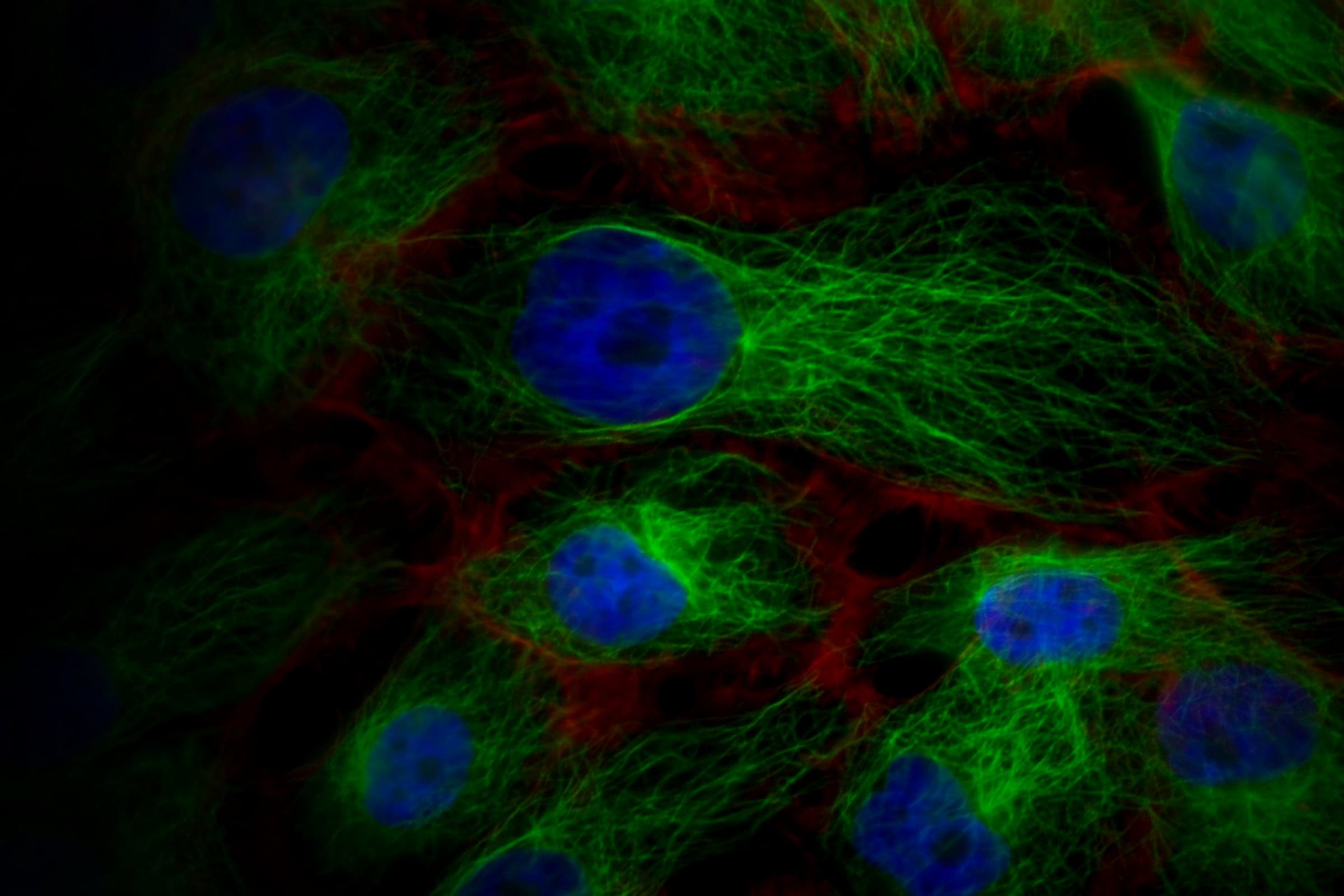
Cell & Molecular Biology
Research Associate
Runs experiments in a research or biotech lab and keeps the data clean.
On the job
- Run cell culture, PCR and other core lab techniques
- Record every step so an experiment can be repeated
- Analyse results and present them to the team
How people get in
A degree in biology or a related science is standard for lab roles.
56 modules · 565 topicsSee the course
Genetics & Genomics
Bioinformatics Analyst
Analyses DNA and RNA sequencing data to find what matters in a genome.
On the job
- Run a sequencing analysis pipeline end to end
- Find and annotate variants that may cause disease
- Explain genomic results to biologists and clinicians
How people get in
Usually a degree in biology, bioinformatics or computer science, with programming skills.
63 modules · 700 topicsSee the course
Microbiology
QC Microbiologist
Tests products and environments for microbes so what leaves the plant is safe.
On the job
- Run microbial limit and sterility tests
- Monitor a clean room and investigate a failed sample
- Document everything to regulatory standards
How people get in
A degree in microbiology or a related science; quality roles follow regulated procedures.
74 modules · 919 topicsSee the course
Medicine & Healthtech

Pharmacology & Therapeutics
Clinical Research Associate
Monitors clinical trials so the data is reliable and patients are protected.
On the job
- Visit trial sites and check data against source records
- Make sure a trial follows its protocol and the rules
- Track safety events and report them on time
How people get in
Typically a life-science, pharmacy or nursing degree; many start as trial assistants or site coordinators.
83 modules · 1,081 topicsSee the course
Robotics & Autonomous Systems

Robotics Engineering
Robotics Engineer
Designs robots that sense, decide and move, and makes them reliable outside the lab.
On the job
- Integrate sensors, motors and control software
- Tune a controller until the motion is smooth and safe
- Debug a robot that works in simulation but not on the floor
How people get in
Usually a degree in mechanical, electrical or computer engineering.
57 modules · 598 topicsSee the course
Industrial Robotics
Automation Engineer
Programs and maintains the robots and control systems on a production line.
On the job
- Program a robot cell and its safety interlocks
- Write and fix PLC logic for a line
- Bring a stopped line back up fast
How people get in
Engineering degrees and technician diplomas both lead here; vendor training on specific robots is common.
74 modules · 933 topicsSee the course
Drones & Aerial Robotics
UAV Operations Specialist
Plans and flies drone missions for mapping, inspection and delivery.
On the job
- Plan a mission around airspace rules and weather
- Fly and inspect infrastructure safely
- Process the imagery into a map or a report
How people get in
Most countries require a remote pilot licence for commercial flights; the course does not replace it.
77 modules · 907 topicsSee the course
Advanced Manufacturing & Industry

Manufacturing Engineering
Manufacturing Engineer
Designs and improves how things are made on the factory floor.
On the job
- Lay out a process so parts flow without waiting
- Cut defects with a root-cause study
- Bring a new product from drawing to production
How people get in
Usually a degree in manufacturing, industrial or mechanical engineering.
64 modules · 687 topicsSee the course
Supply Chain & Production Operations
Supply Chain Analyst
Keeps materials, production and deliveries in balance so nothing runs out or piles up.
On the job
- Forecast demand and set inventory levels
- Find the bottleneck that is delaying orders
- Model the cost of a supplier switch
How people get in
Degrees in business, engineering or supply chain are common; strong spreadsheet and data skills open the door.
82 modules · 974 topicsSee the course
Semiconductors, Electronics & Quantum

Semiconductor Physics & Devices
Semiconductor Process Engineer
Runs and improves one step of chip manufacturing inside a fab.
On the job
- Keep an etch, deposition or lithography step within spec
- Read wafer data and find the cause of a yield drop
- Run experiments to improve a process
How people get in
Usually a degree in physics, materials science, chemical or electrical engineering.
65 modules · 697 topicsSee the course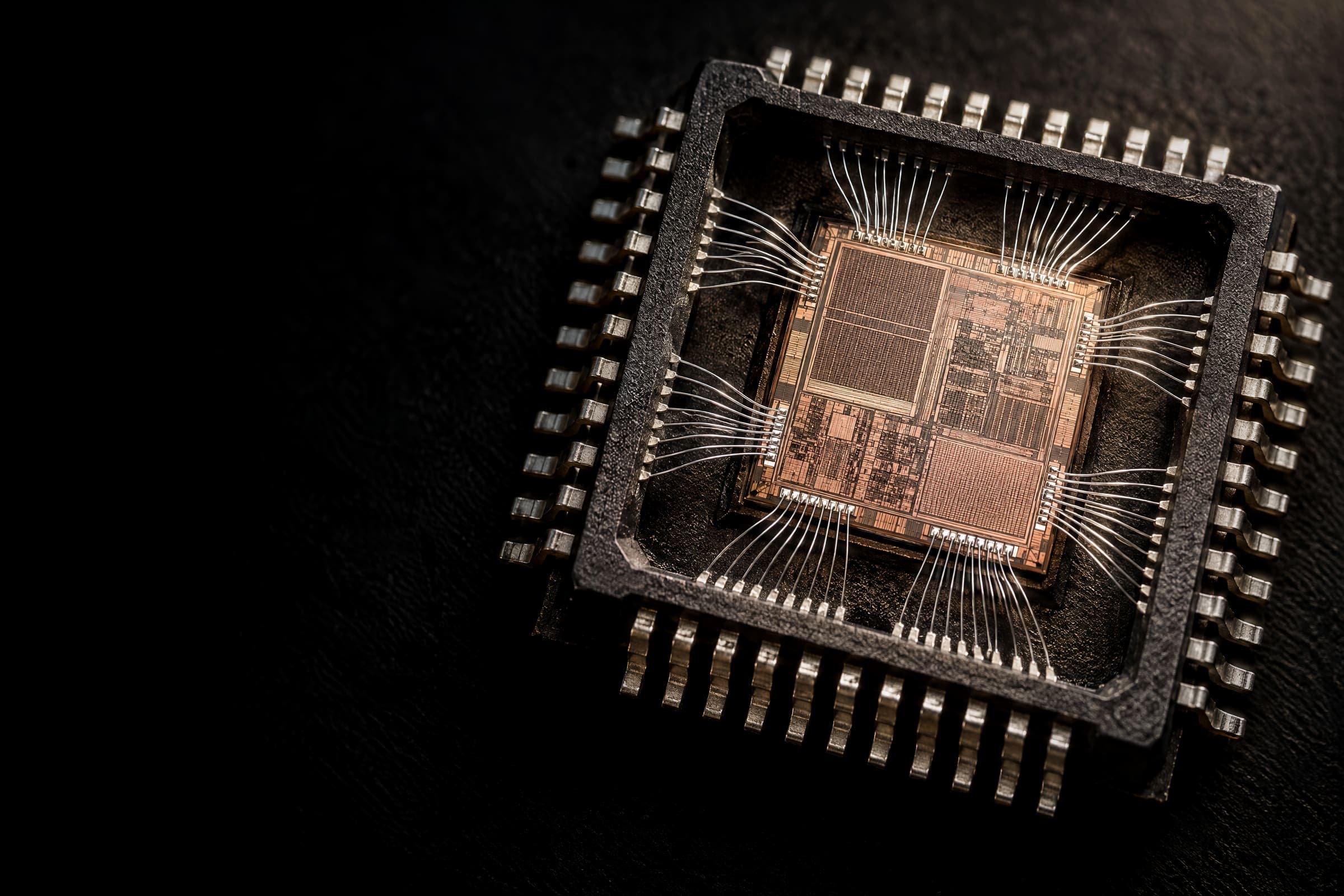
Chip Design & VLSI
Design Verification Engineer
Proves a chip design works before it is sent to be manufactured.
On the job
- Write testbenches that try to break the design
- Chase a failing simulation to the line of logic behind it
- Measure coverage until nothing is left untested
How people get in
Usually a degree in electrical or computer engineering.
89 modules · 1,057 topicsSee the course
RF, Wireless & Telecommunications
RF Engineer
Designs and tests the radio parts of phones, networks and satellites.
On the job
- Design and simulate an antenna or RF circuit
- Measure a signal in the lab and find the interference
- Plan coverage for a wireless network
How people get in
Usually a degree in electrical engineering.
100 modules · 1,181 topicsSee the course
Quantum Computing
Quantum Software Developer
Writes and tests programs for quantum computers.
On the job
- Express a problem as a quantum circuit
- Run it on a simulator and on real hardware
- Reduce the errors noise adds to the result
How people get in
A young field: most roles ask for a degree in physics, computer science or maths, often a graduate one.
66 modules · 703 topicsSee the course
Energy, Climate & Nuclear
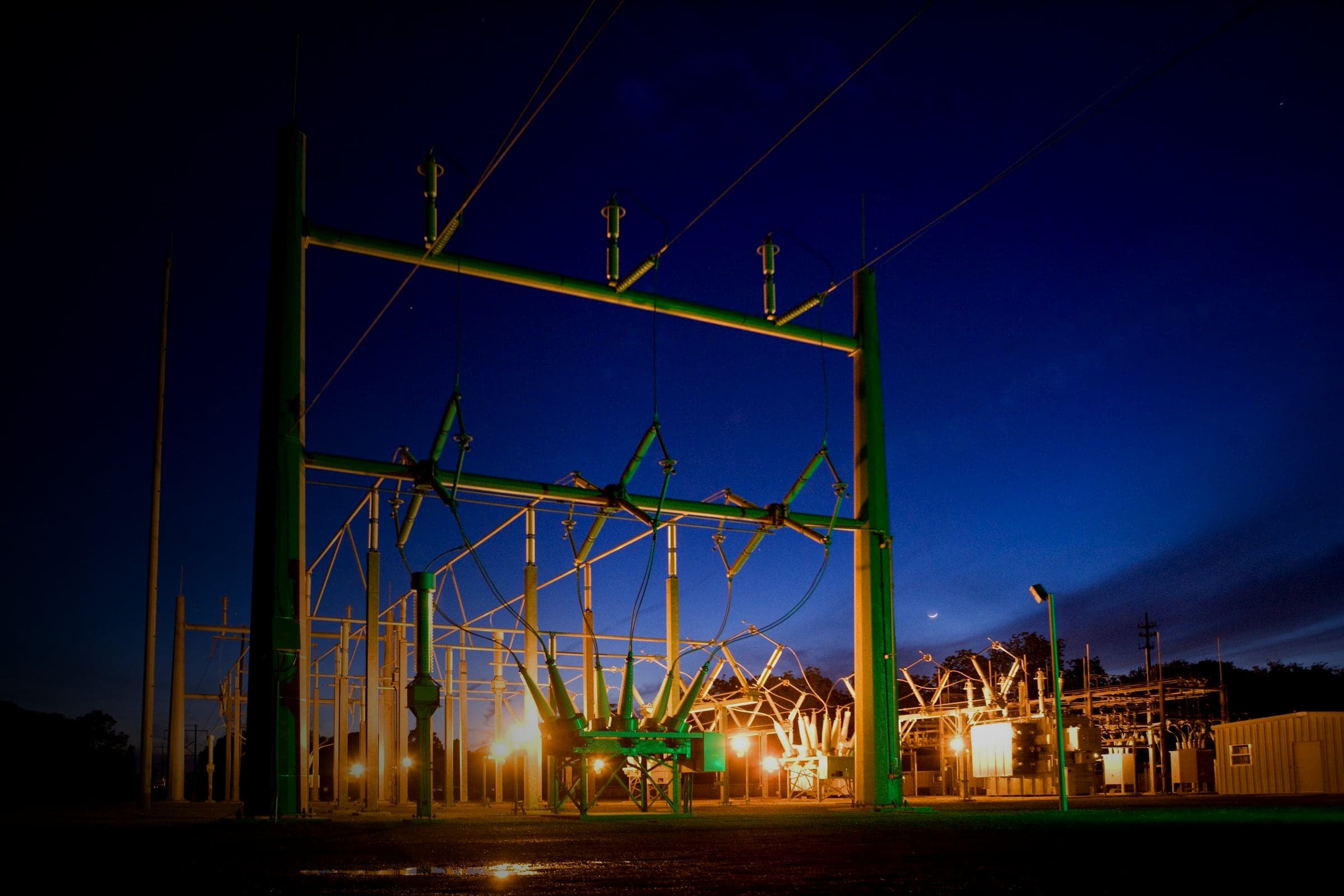
Energy Systems & Electric Power Grids
Power Systems Engineer
Makes sure the electric grid can carry the load it is asked to carry.
On the job
- Run a load-flow study for a new connection
- Check the grid survives a fault
- Plan upgrades for more renewables and electric cars
How people get in
Usually a degree in electrical engineering; professional engineering licences matter in many countries.
65 modules · 678 topicsSee the course
Renewable Energy Engineering
Renewable Energy Project Engineer
Takes a solar or wind project from site assessment to switching it on.
On the job
- Assess a site's resource and constraints
- Size the system and estimate its yield
- Coordinate contractors through construction
How people get in
Engineering degrees are the norm; project coordinator roles are a common way in.
73 modules · 886 topicsSee the course
Engineering & Built World

Mechanical Engineering
Mechanical Design Engineer
Designs mechanical parts and products and checks they will hold up.
On the job
- Model a part in CAD with the right tolerances
- Check stress and heat before anything is built
- Work with the shop to make the design manufacturable
How people get in
Usually a degree in mechanical engineering.
66 modules · 694 topicsSee the course
Advanced Materials & Nanotechnology

Nanotechnology
Nanomaterials Research Technician
Makes and measures materials at the nanoscale in a research lab.
On the job
- Synthesise nanomaterials to a recipe
- Characterise them with microscopy and spectroscopy
- Keep precise records for the research team
How people get in
Technician roles usually ask for a degree or diploma in chemistry, physics or materials science.
64 modules · 714 topicsSee the course
Certification arrives with the courses.
Future Industries exams open when the courses launch. Write to us and you will hear first.
Tell me when
Hiring in these fields?
Sponsor a course around your roles and meet the strongest learners first.
For companies