
























Actor and Title Drills
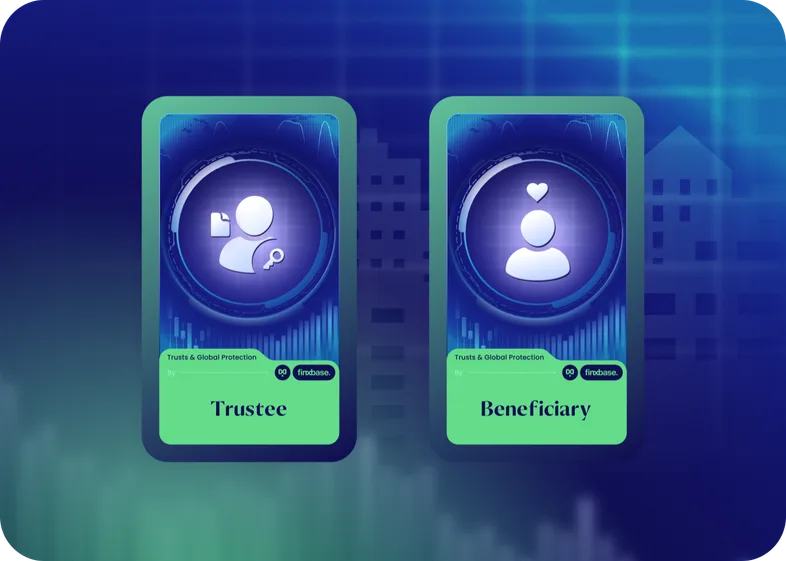
- Settlor and grantor roles
- Director powers
- Legal and equitable title
- Powers of direction
Learn in a fun, fast, and engaging way. Just 5 minutes a day!
Meet Astra — your personal Trusts Trainer.
Start Free LessonThe Substance of a Trust
The Trust Res and Corpus
Courts and Legal Responsibility
The Substance Challenge
Here it is - the real essence of trusts: Roles can be combined! The key is that everything must be clearly written in the trust document - and that no single person is both the sole trustee and the sole beneficiary.  In our example, it’s perfectly balanced: Three people - and each one can receive benefits.  They just have different roles, and each gets access according to the rules set in the trust.
Where was one of the earliest 'stock markets' formed in the 1600s?
Become a CEO
Today's quests
Complete a lesson
Complete 3 lessons
Share a thought
My Collections
12Continue learning
My Lessons
Basic Trust Concepts
Core Trust Actors
Trust to Exist
The Substance of a Trust
Property, Dominion and Estates
Splitting Titles
 In the app
Name each trust actor and role.
Split legal title from beneficial rights.
Use trust terms in property and inheritance talks.
 Courts and Legal ResponsibilityNarrated by Snage
Here it is — the real essence of trusts: Roles can be combined! The key is that everything must be clearly written in the trust document — and that no single person is both the sole trustee and the sole beneficiary.
No time to sit with the phone? Every lesson reads itself aloud, in your language: on a walk, in the car, at the sink.
 The Wealth of NationsAdam Smith
 5.0Lombard StreetWalter Bagehot
 Extraordinary Popular Delusions and the Madness of CrowdsCharles Mackay
Lombard Street · Walter Bagehot, 1873 · 14 chapters
Adam Smith, Lefèvre, Carnegie: 30 classics, free to read. Too long? Each one is cut into 10–20 short chapters, Astra-style.
24,255
lessons completed by the community in the last 30 days
Posts from the Astra community feed. Some are translated from the author's language.
Real learner profiles, open for anyone to check
 Proof of LearningCicada116Lvl 57

 Proof of LearningDrew72Lvl 50
 Proof of LearningNicole50Lvl 41
 Proof of LearningNatasha24Lvl 40
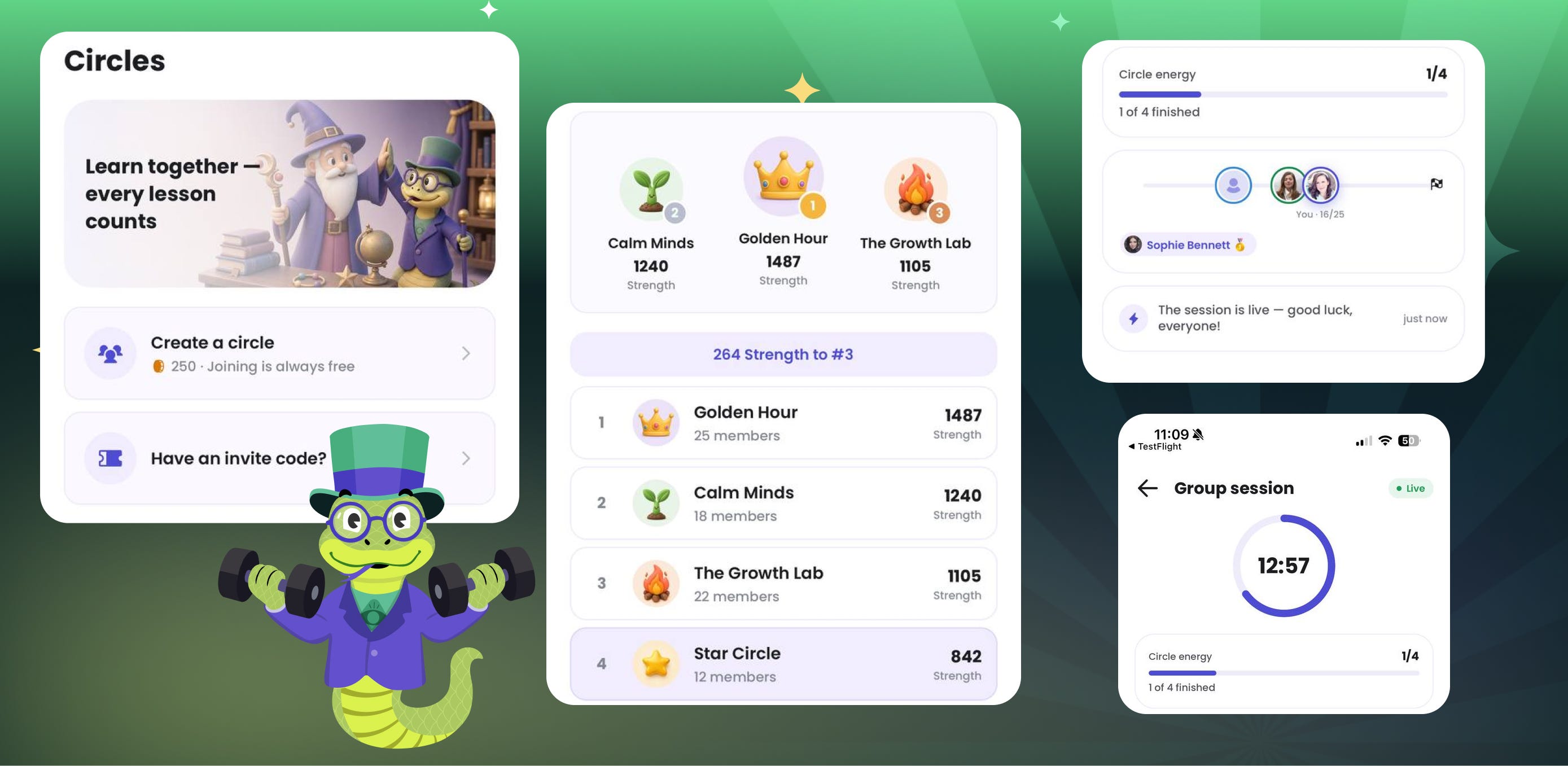
Members team up in circles. Every lesson adds strength.
This week's circle race
 Crimson and Clover25 members3,897
 The Empress Circle25 members2,763
 Mystery Mystics25 members2,331
 Owl -all- the Wisdom16 members1,038
 Just Starting Out25 members690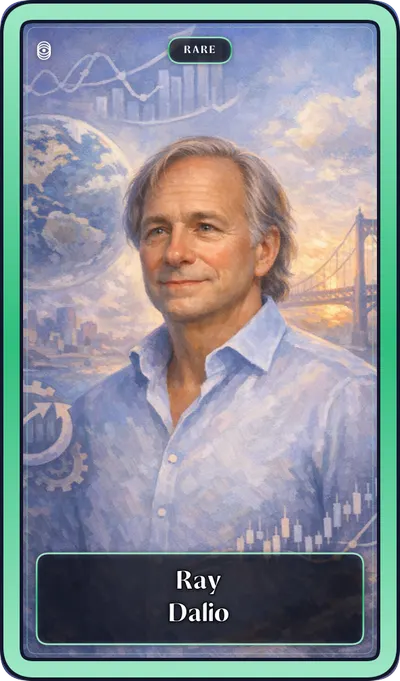
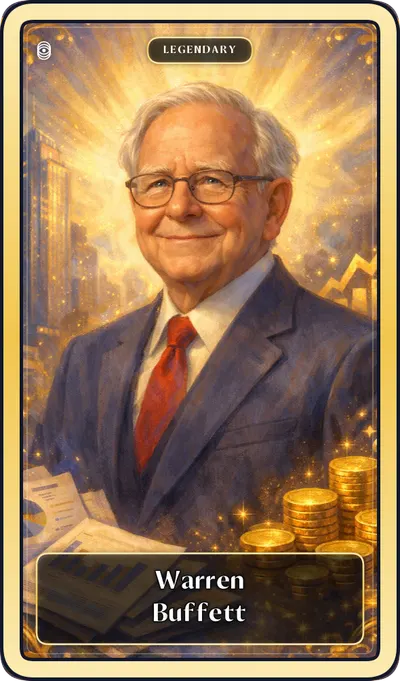
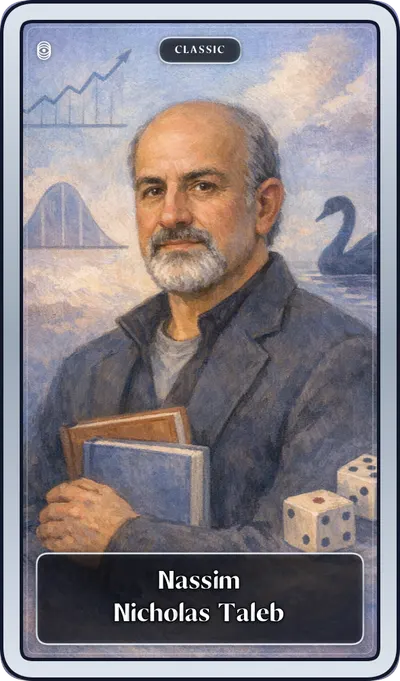
Every card opens a mini-story and a lesson about the person on it.
Streak reward
You earned a pack!
CERTIFICATE
OF COMPLETION
TRUSTS
FUNDAMENTAL
This is to certify that
Your Namehas successfully completed
the comprehensive course!
26 courses
Basic Trust Concepts
Let’s start with the foundations of how ownership really works.
Core Trust Actors
You’ll clearly distinguish the functions of Settlor, Trustee, Director, and Beneficiary.
Trust to Exist
Explore how offer, acceptance, and agreement create a trust structure.
The Substance of a Trust
The legal foundation behind trust assets and fiduciary responsibility.
Property, Dominion and Estates
Explore the difference between real property, personal property, and legal estates.
Splitting Titles
The structure of legal vs equitable title in trust relationships.
Real reviews from the App Store
Choose your plan
Secure checkout. By continuing you agree to our Terms and Privacy Policy.
Anything else? Write to support@astratrainer.com and a person replies.
No. The material starts in the English common-law lineage and follows its development into American examples. It includes the Court of Chancery, the Statute of Uses, early America, Illinois land trusts and the Garn-St. Germain Act.
No. The direction provides legal education, not advice for creating or transferring property into your own trust. A qualified lawyer can assess your documents, jurisdiction and circumstances.
Yes. The path begins with property rights, trust actors and the conditions that make a trust exist. Later stages introduce title separation, trust types and working instruments.
The trustee generally holds legal title while the beneficiary holds the beneficial interest. The material also explains the settlor, grantor, director and trust protector, including the powers attached to each role.
Yes. You will examine testamentary transfers, living trusts and probate so you can explain their structural differences. The material also covers continuity of title after death.
You receive a named certificate issued by Astra after passing the final exam inside Astra Trainer. It records your completion and does not grant accreditation or a right to practise law.
Trace who holds title, who receives the benefit and how a trust carries property interests beyond a death.
Start Free Lesson


 Trusts
 Money Systems
 Structures
 Crypto