
The energy transition is usually discussed as a technology and capital story. On the ground it is increasingly a labour story, and the labour data is unusually clear about where the pressure sits.
The top two on the list
The US Bureau of Labor Statistics publishes projections of the fastest-growing occupations over a ten-year horizon. In the 2024 to 2034 projections, the top two places are both energy roles.
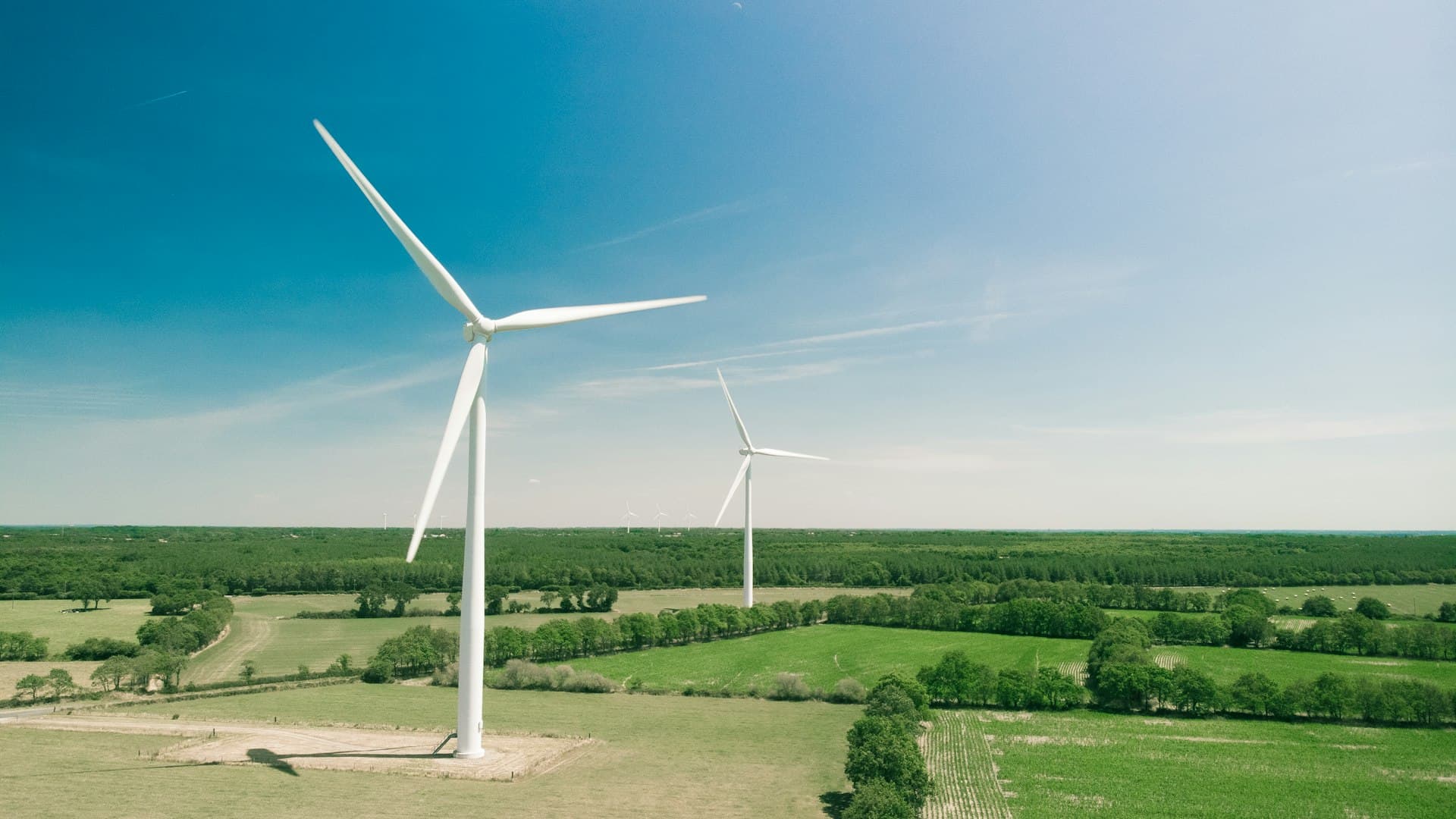
Wind turbine service technicians rank first.
Solar photovoltaic installers rank second, with projected employment growth of 42 percent over the decade, far above the average for all occupations.
Third place goes to nurse practitioners, which says something about where the whole economy is heading, but the first two are the point here.
On the employer side, 41 percent expect energy generation, storage and distribution technologies to transform their business by 2030, according to the World Economic Forum's Future of Jobs Report 2025. And the WEF's ranking of the fastest-growing jobs worldwide to 2030 places autonomous and electric vehicle specialists seventh, with environmental engineers and renewable energy engineers immediately behind.
Two of the three fastest-growing occupations in the United States involve climbing a tower or fixing panels to a roof. The energy transition is a skilled trades story before it is a software story.
What percentage growth hides
A caution that matters for planning, and one that most coverage of these numbers skips.
Percentage growth is a ratio. Wind turbine technicians top the list partly because the occupation started small. Forty-two percent growth in solar installation is a large proportional change and a smaller absolute number than the headline implies.
The occupations adding the most people in absolute terms are generally the large existing ones. In the energy build-out, that means electricians, line workers, pipefitters, heavy equipment operators and construction managers, none of which produce a dramatic percentage.
Two planning consequences.
The biggest absolute shortages are in established trades, which are also the trades with an ageing workforce and long apprenticeship routes. That is a harder problem than the headline occupations.
The headline roles are genuinely fast to train. A solar installer or wind technician can be brought to working competence in a timeframe measured in months, given the right starting point. That is why they grow so fast, and it is a real advantage rather than a statistical artefact.
The part nobody is talking about: the grid itself
Generation gets the attention and the constraint is increasingly transmission and distribution.
Connecting new generation, moving power from where it is produced to where it is used, managing a network with millions of distributed sources and two-way flows that it was not designed for, and integrating storage all require people who understand power systems.
The roles: transmission and distribution line workers, substation technicians, protection and control engineers, power systems engineers, grid operators, and increasingly people who can work across power engineering and data.
This layer has three uncomfortable properties. The apprenticeship routes are long. The workforce skews older. And the work is hazardous enough that shortcuts in competence are not available.
An organisation planning energy workforce development that thinks only about generation is planning for the visible half.
The energy, climate and nuclear domain
Astra Trainer's energy domain runs nine directions: energy systems and electric power grids, renewable energy engineering, energy storage and battery technology, nuclear energy and reactor technology, hydrogen and fuel cell technology, oil, gas and petrochemical systems, climate science and climate technology, carbon management and industrial decarbonisation, and energy economics, markets and policy.
The grid direction exists because the transmission and distribution layer is where the constraint is moving, and the oil and gas direction exists because the people transferring out of that sector are one of the largest available sources of relevant capability. Programs are scoped and sequenced with the partner's own engineers. You can see the nine directions here.
Nuclear, and a workforce that has to be rebuilt
Nuclear has a workforce problem with a shape all its own.
Construction largely paused across much of the West for decades. The people who built and commissioned the existing fleet are retiring or retired. Behind them is a thin cohort, because for a long stretch there was little to hire into.
So a sector now planning life extensions, new large plant and small modular reactors faces a generational discontinuity rather than an ordinary shortage.
Three things follow.
The knowledge transfer window is closing. Commissioning and operating experience lives with people who are leaving, and once it goes it is expensive to rebuild from documents.
Competence requirements are genuinely stringent, and correctly so. Nuclear operations are among the most heavily regulated activities anywhere. Training supports competence within a licensing framework and never substitutes for it.
Adjacent sectors are the realistic source. Conventional power, heavy process industries, naval propulsion programs and chemical plant operations all produce people with relevant discipline and systems thinking.
On regulated energy competence. Nuclear operations, high-voltage work, and much of the electrical trade are covered by statutory competency, licensing and authorisation regimes, and the hazards are lethal rather than theoretical. Structured training builds the underlying knowledge and prepares people for those pathways. It does not confer authorisation to work, and any workforce plan that conflates the two is unsafe as well as wrong.
Where these people come from
The transferable pools are unusually good in energy, better than in most sectors.
Oil and gas. The largest and most obvious. Process safety discipline, rotating equipment, high-hazard working practice, remote site operations, project delivery. Much of it transfers directly to renewables, hydrogen, carbon management and nuclear, and the missing layer is domain-specific rather than foundational.
Military technical trades. Electrical, mechanical and nuclear propulsion backgrounds, with procedure discipline already embedded.
Construction trades. Solar and wind construction draws heavily on electrical and structural trades, and the AGC and NCCER 2025 survey found 92 percent of hiring US construction firms already struggling to find qualified workers, which means this pool is contested rather than free.
Marine and offshore. Directly relevant to offshore wind, including the working-at-height and confined-space competences that are otherwise a barrier.
Conventional generation and utilities. Already hold power systems knowledge.
The pattern across all of them: the hazardous-environment discipline and the systems intuition are the expensive parts and they already exist. What is missing is the technology-specific layer, which is the teachable part.
The geography problem
Energy infrastructure is located by resource and by grid, not by where people live.
Wind goes where the wind is. Solar goes where the land and irradiance are. Transmission runs between them. Nuclear sites are where nuclear sites have historically been. None of these locations is chosen for labour availability.
Three consequences.
Local training beats recruitment, because the local population is the available workforce and relocating people into rural sites is expensive and has poor retention.
The local pool is usually smaller than the project needs, which puts a premium on widening the candidate definition rather than competing harder for the same people.
Community programs are a real lever, and this is where government workforce agencies, colleges and employers have genuine common interest rather than a nominal one.
Sequencing a program against a build schedule
Energy projects have fixed, contractually significant dates, which makes timing unforgiving.
Work backward from commissioning, not forward from when the budget was approved. Then subtract a realistic competence curve, which is months for technician roles and considerably longer for engineering and licensed positions.
Train construction and operations separately. They are different workforces with different timelines, and operations capability is needed before handover rather than after it.
Start the long-lead roles first. Licensed and engineering roles cannot be compressed. Technician training can run later and still land on time.
Plan for the second project. The workforce trained for the first one is the pipeline for the next, if it is retained. Organisations that treat each project as a fresh hiring problem pay the training cost repeatedly.
What to take from this
Wind technicians and solar installers are the two fastest-growing occupations in the US projections, and both are trainable in months from the right starting point.
Percentage growth is flattering to small occupations. The largest absolute shortages are in established trades with long routes and older workforces.
The grid is the constraint people are not planning for. Transmission, distribution, substation and protection work is where the bottleneck is moving.
Nuclear faces a generational discontinuity rather than a shortage, and the knowledge transfer window is closing now.
And because sites are located by resource rather than by population, training the local workforce is not the cheaper option. It is frequently the only one that works.
What are the fastest-growing energy jobs?
Wind turbine service technicians rank first and solar photovoltaic installers second on the BLS list of fastest-growing US occupations for 2024 to 2034, with solar installer employment projected to grow 42 percent.
Are those the biggest shortages?
Proportionally, yes. In absolute numbers the larger gaps are in established trades such as electricians, line workers and heavy equipment operators, which grow less dramatically in percentage terms and are harder to fill because the routes are longer.
Can oil and gas workers move into renewables?
It is the most transferable pool available. Process safety discipline, rotating equipment knowledge, high-hazard working practice and project delivery all carry across. The gap is technology-specific rather than foundational, which makes it a training-sized gap.
What is different about nuclear?
A generational gap where little hiring happened, so the people with commissioning and operating experience are leaving with knowledge that is expensive to rebuild. Competence is also governed by licensing regimes that training supports rather than replaces.
Where should an energy workforce program start?
With the long-lead licensed and engineering roles, worked backward from commissioning dates. Astra Trainer's energy domain covers nine directions including grids, renewables, storage, nuclear and hydrogen, and you can see them here.