
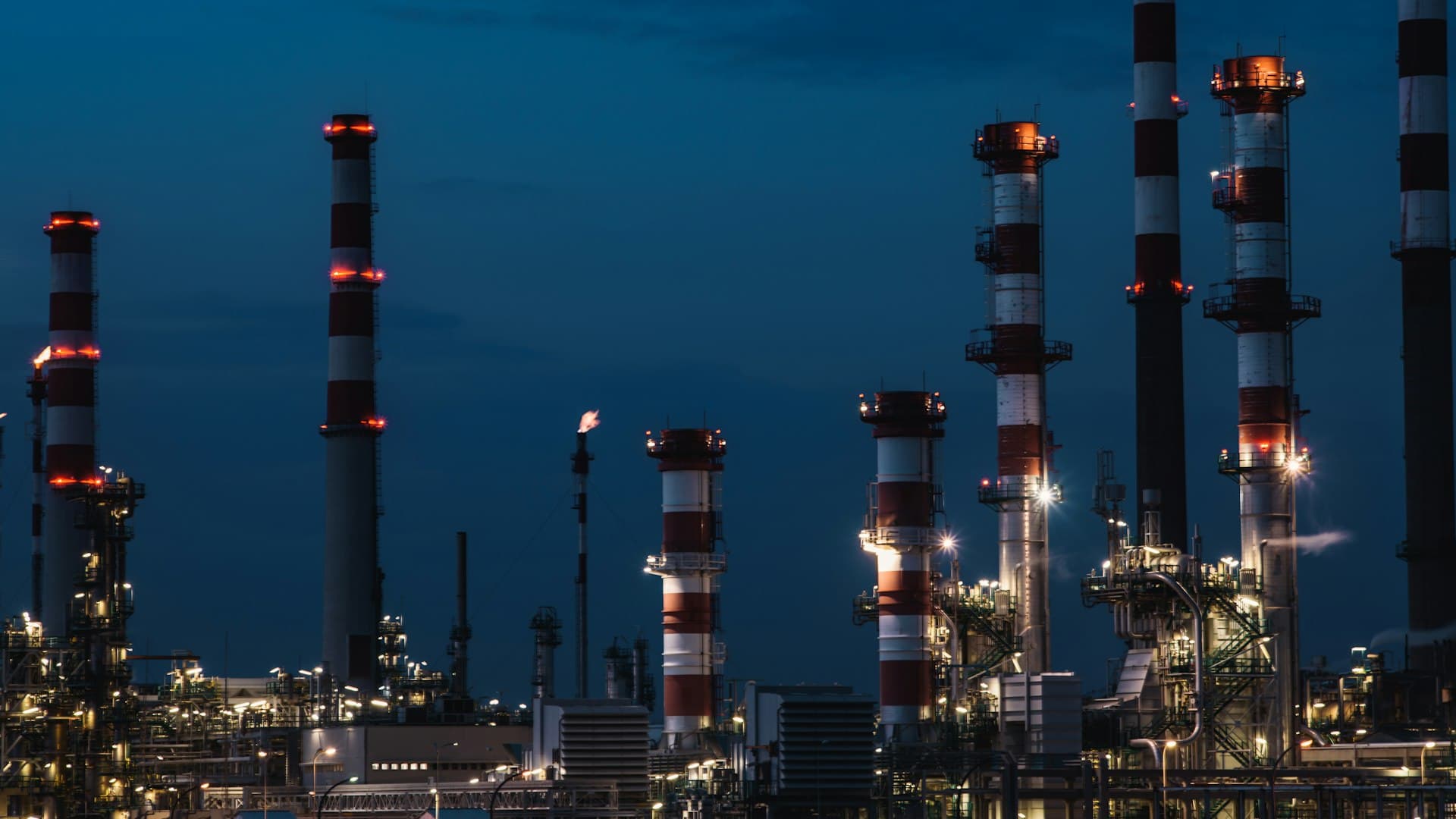
If you set out to design a training system for high hazard energy engineering, you would produce something close to what the oil and gas industry already built.
A capability built over decades
The sector operates hazardous processes at scale, in remote and hostile locations, under regulatory scrutiny, with consequences of failure that are measured in lives and in billions. That pressure produced disciplines that most industries never had a reason to develop.
Formal process safety management with barrier thinking and quantified risk assessment. Permit to work systems and management of change. Reliability engineering and asset integrity management across ageing infrastructure. Large capital project delivery with schedule and interface discipline. Emergency response capability that is drilled rather than documented.
Much of this exists because it was learned expensively, after disasters that reshaped regulation across whole countries.
The energy transition needs exactly these disciplines, and is mostly building them from scratch in sectors that have not yet had their expensive lesson.
That is the argument for treating this direction as a workforce source rather than as a sector in decline, and it is the reason the direction exists in this domain at all.
What the direction covers
The scope: petroleum engineering, refining and petrochemical processes, process safety, asset integrity and the transferable skills that carry into other energy sectors.
Four areas.
Upstream. Reservoir, drilling, production and subsurface characterisation.
Downstream. Refining, petrochemicals, process engineering and operations.
Integrity and safety. Process safety, asset integrity, inspection and reliability.
Transition pathways. Where each of the above maps onto offshore wind, hydrogen, carbon storage, geothermal and nuclear.
What transfers almost intact
Being specific matters here, because vague claims about transferability produce disappointed people.
Process safety management to hydrogen, ammonia and carbon capture. The strongest transfer in the whole direction. These are hazardous process facilities and the methodology is the same. Newer energy sectors have frequently not built this capability, which is visible in their incident records.
Offshore operations to offshore wind. Marine operations, vessel management, working at height and over water, helicopter logistics, remote site management and the associated safety culture map directly onto offshore wind construction and maintenance.
Subsurface to carbon storage and geothermal. Reservoir characterisation, well design, drilling, injection, caprock integrity and long term monitoring are the same problem with different fluids. Geological carbon storage is close to reservoir engineering practice, and deep geothermal is drilling and reservoir management.
Rotating equipment to everything. Turbines, compressors, pumps and their condition monitoring appear across energy generation, storage and industry.
Large project delivery to nuclear and grid infrastructure. The ability to deliver a multi billion capital programme with hundreds of interfaces is scarce and is decisive in exactly the sectors that have struggled with it.
Pipelines to hydrogen and carbon dioxide networks, with materials compatibility taught explicitly, because that is where the real difference lies.
Where this sits in the domain
Oil, gas and petrochemical systems is the sixth of nine directions in Astra Trainer's energy, climate and nuclear domain, and it is deliberately positioned as a source rather than a destination. The other directions in this domain need people, and this is where most of the relevant experience currently sits.
It connects most directly to hydrogen and fuel cell technology, to carbon management and industrial decarbonisation, and to nuclear energy, where process safety and project delivery discipline are both scarce. It also connects outward to advanced manufacturing and to engineering and built world. You can see the nine directions here.
What does not transfer, and needs saying
An honest programme names the gaps, because unnamed gaps become failures attributed to the individual.
Electrical power systems knowledge. Oil and gas is a process industry. Renewables and grid work are electrical engineering problems. Power system analysis, protection, inverters and grid codes are genuinely new for most people arriving from this sector.
Market and commercial structures. Electricity markets, capacity mechanisms, curtailment and power purchase agreements have no real analogue in oil and gas commercial practice.
Scale and cost culture. Renewable projects run on thinner margins with less contingency and smaller teams. Practices that are normal at oil and gas cost levels are not affordable, and people who bring them are perceived as slow and expensive.
Regulatory frameworks differ. Familiarity with one regime does not transfer to another, and nuclear regulation in particular is unlike anything in oil and gas.
Distributed and digital operations. Managing thousands of small assets remotely is a different operating model from managing a few very large ones.
The pay and geography problem
The part most workforce transition studies mention briefly and then avoid.
Pay is often lower. Oil and gas has historically paid a premium for hazard, rotation and specialist skill. Many renewable roles do not match it. Telling an experienced engineer that their skills are valuable and then offering less money is a credibility problem, and it is the single most common reason transition programmes see low uptake.
The jobs are elsewhere. Oil and gas employment concentrates in specific regions. New energy employment concentrates in different ones. Relocation involves housing, schools, partners' careers and community, and none of that appears in a skills matrix.
Identity matters more than employers assume. People who have spent thirty years in an industry, and who are frequently proud of work that is now described publicly as harmful, do not respond well to programmes framed as rescue. The framing that works treats them as holding capability the new sector needs, because that is accurate.
The window closes. People leaving the sector for unrelated work take their knowledge with them, and it does not come back. A transfer programme run while the experience is still in place is a different and far cheaper exercise than one run afterwards.
The roles, named
Process safety engineers. The highest value transfer in this direction.
Asset integrity and inspection engineers.
Reservoir and subsurface engineers, into carbon storage and geothermal.
Drilling engineers, into geothermal and injection wells.
Rotating equipment and reliability engineers.
Offshore operations and marine staff, into offshore wind.
Process and control engineers, into hydrogen, ammonia and capture facilities.
Project controls and commissioning staff, into nuclear and grid infrastructure.
Instrumentation and electrical technicians, into grid and renewable operations.
Who can be trained into it
This direction inverts the usual question. The people are already trained, and the question is what layer to add.
Process engineers. Add hydrogen and carbon capture specifics and the transfer is nearly immediate.
Subsurface staff. Add carbon dioxide behaviour, long term containment monitoring and the regulatory framework for storage.
Offshore crews. Add wind turbine specific systems and the working at height and rescue requirements of that sector.
Electrical and instrumentation technicians. Add power systems and grid specifics, which is the largest genuine gap.
Project delivery staff. Add the regulatory and stakeholder environment of the target sector, especially nuclear.
Operations and maintenance staff. Add the distributed asset model, which is an operating culture change more than a technical one.
Commercial and planning staff. Add electricity market structure, which has no analogue in their current work.
Competence is sector and site specific. Oil, gas, offshore wind, hydrogen, nuclear and grid work each operate under their own statutory competence, authorisation and safety regimes, and holding a qualification in one sector confers nothing in another. Offshore work, high voltage work and major hazard facility operation all require specific certification and site authorisation. Astra Trainer builds transferable technical understanding and supports preparation for those pathways. It does not confer any certification, authorisation or permission to work.
What to take from this
Oil and gas built the process safety, integrity and large project capability that the energy transition needs and has largely not built for itself.
Subsurface skills transfer more precisely than most people assume, because carbon storage and deep geothermal are reservoir engineering with different fluids.
The real gaps are electrical power systems, market structures and cost culture, and naming them explicitly is what makes a transition programme work.
Pay, geography and identity are the obstacles that sink these programmes, and none of them is a technical problem.
And the window is open only while the experience is still in the sector. After that it is gone.
What transfers best from oil and gas to new energy?
Process safety management into hydrogen, ammonia and carbon capture; offshore operations into offshore wind; subsurface and drilling into carbon storage and geothermal; rotating equipment across everything; and large project delivery into nuclear and grid infrastructure.
What does not transfer?
Electrical power systems knowledge, electricity market and commercial structures, the lower cost culture of renewable projects, sector-specific regulatory frameworks, and the distributed asset operating model.
Why do transition programmes fail despite good skills fit?
Pay is frequently lower, the jobs are in different regions, and programmes framed as rescue rather than as recognition of capability meet resistance from experienced people who are proud of their work.
Is carbon storage really the same as oil and gas subsurface work?
Closely related. Reservoir characterisation, well design, injection, caprock integrity and long term monitoring are the same disciplines applied to a different fluid, with containment assurance over much longer timescales as the main addition.
Why is timing important?
Because experienced people who leave energy entirely take undocumented knowledge with them. Transferring capability while it is still in the sector is far cheaper than rebuilding it later.