
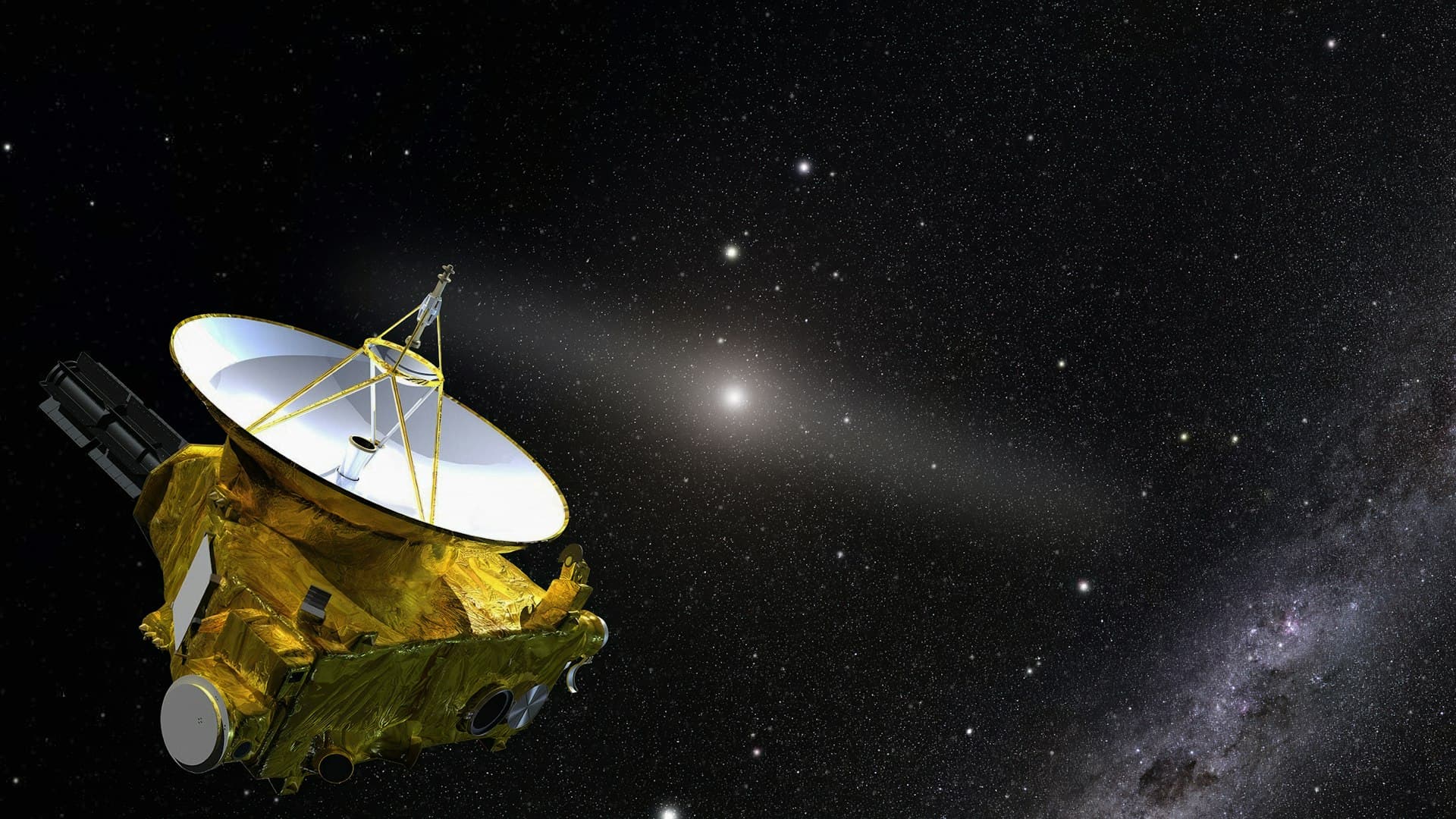
Every engineering decision in space systems traces back to one fact: once it launches, nobody is going to touch it again.
The constraint that defines the discipline
A satellite must work, unattended, for years, in an environment designed to degrade it, with no maintenance, no adjustment and no replacement of a failed part.
Four consequences that make the discipline distinct.
Reliability is designed in, not tested in. You cannot fix what fails, so failure modes are analysed exhaustively and eliminated or tolerated by design. Redundancy, derating and fault tolerance are standard rather than exceptional.
Testing is the substitute for experience. Since you cannot learn from operating the first one, hardware is tested extensively on the ground: vibration, thermal vacuum, shock, electromagnetic compatibility. Test engineering is a central discipline rather than a support function.
Mass is the currency. Every kilogram costs launch capacity, which is why aerospace weight discipline reaches its extreme here.
The design freezes early. Long lead times on qualified components mean the architecture is fixed while ground technology continues to move, which is why spacecraft frequently launch with processors that look old.
On the ground, you design something good enough and improve it in service. In orbit, the first version is the only version.
What the direction covers
The scope: orbital mechanics, spacecraft design, mission architecture and the space environment.
Four areas.
Orbital mechanics. Where things go and how they get there, including transfers, station keeping and the fuel budget that determines mission life.
Spacecraft subsystems. Power, thermal, attitude determination and control, propulsion, communications, command and data handling, and structure.
Mission architecture. Trading orbit, constellation design, ground segment and launch against what the mission actually needs to achieve.
The space environment. Covered below, because it is the part most often underestimated.
The environment, which is worse than people assume
Five specific hazards, because "space is harsh" is not an engineering requirement.
Radiation. Charged particles cause cumulative damage to electronics and instantaneous upsets that flip bits or latch devices. Mitigation means radiation-tolerant components, shielding, error detection and correction, and architectures that recover from upsets. Radiation-tolerant parts lag commercial performance substantially, which is a permanent design tension.
Thermal cycling. A spacecraft in low orbit passes in and out of sunlight repeatedly per day, cycling through large temperature swings. Materials expand and contract, joints fatigue, and thermal design is a major subsystem rather than an afterthought.
Vacuum. Materials outgas, which contaminates optics and sensors. Some lubricants do not work. Heat can only leave by radiation, since there is no air to convect it away.
Atomic oxygen, in low orbit, which erodes exposed polymers and coatings.
Launch loads. Before any of the above, the spacecraft must survive several minutes of severe vibration, acoustic loading and shock, which frequently drives the structural design more than anything experienced in orbit.
Where this sits in the domain
Astronautics and space systems is the second of nine directions in Astra Trainer's space, aerospace and new mobility domain, sitting alongside rocketry and propulsion, satellite engineering and Earth observation, and the space economy, policy and law.
It draws on advanced materials for radiation and thermal behaviour, on semiconductors and electronics for radiation-tolerant hardware, and on robotics and autonomous systems for control and autonomy. Partners building space capability usually scope across domains, because the subsystem knowledge sits outside the space domain proper. You can see the nine directions here.
Two cultures now sharing a sector
The most important structural change in space engineering, and the one that determines what kind of people an organisation needs.
The traditional culture. Small numbers of expensive, long-lived spacecraft. Exhaustive qualification, extensive documentation, high reliability per unit, long programmes. Appropriate when a single failure ends the mission.
The constellation culture. Large numbers of cheaper, shorter-lived satellites produced on a line. Reliability handled statistically across the constellation rather than absolutely per unit. Faster iteration, commercial components where the risk is acceptable, design for manufacture rather than for individual perfection.
Neither is wrong. They suit different missions, and a scientific instrument going to another planet is not a communications satellite in low orbit.
Three workforce consequences.
The skills differ. The second culture needs manufacturing engineers, production test engineers and supply chain specialists in numbers the first never did.
People do not transfer automatically between them. An engineer trained in exhaustive per-unit qualification finds statistical reliability uncomfortable, and the reverse is also true.
The second culture is where volume hiring is. Producing satellites at rate is a manufacturing problem, which makes it accessible to people from other manufacturing sectors.
Orbital debris, stated factually
Worth including because it increasingly shapes design and operations, and it attracts a lot of dramatic framing.
What is established: there is a large and growing population of non-functional objects in orbit, collisions and break-up events add to it, and the density is highest in the most useful low orbits. Mitigation guidelines exist, including deorbiting satellites within a defined period after end of life, passivating stored energy to prevent explosions, and avoiding deliberate debris generation. Compliance with those guidelines is incomplete.
What follows for engineering: end-of-life disposal is now a design requirement rather than an afterthought, collision avoidance is an operational function requiring people and tracking data, and shielding against small debris is a real structural consideration.
What this article does not do is predict a specific cascade scenario or timeline. The situation is serious, actively managed and genuinely uncertain, and workforce planning should reflect that it creates jobs in tracking, operations and disposal engineering.
The roles, named
Spacecraft systems engineers. Architecture and subsystem integration.
Attitude determination and control engineers.
Thermal engineers. A specialism that is always short and rarely targeted by graduates.
Power systems engineers. Solar arrays, batteries and distribution.
Structures and mechanisms engineers, including deployables, which are a common failure source.
Test engineers. Environmental and functional testing, central rather than supporting.
Reliability and parts engineers. Radiation tolerance, derating and failure analysis.
Mission operations engineers and spacecraft controllers. Running the fleet after launch, including collision avoidance.
Assembly, integration and test technicians. Cleanroom hardware work, a large and growing population as production rates rise.
Who can be trained into it
Test engineers from any high-consequence industry. Nuclear, medical devices, automotive safety. The mindset of proving something works before it matters is the transferable part and the hardest to instil.
Electronics engineers. Into avionics, power and radiation-tolerant design, needing the environmental layer.
Manufacturing engineers. Into constellation production, which is the volume-hiring end and where their existing discipline is directly applicable.
Cleanroom and precision assembly technicians. From semiconductor, medical device or optics manufacturing, into assembly, integration and test.
Thermal and HVAC engineers. An unusual conversion and a good one, since spacecraft thermal control is a heat transfer problem with unfamiliar boundary conditions.
Military and defence technical staff. Frequently arrive with relevant systems and operations experience.
Export control applies to almost everything here. Spacecraft, launch vehicles, many components and the associated technical data are subject to export control regimes in most jurisdictions, and sharing technical information with foreign nationals can itself be a controlled activity even within one country. Licensing requirements also apply to satellite operation and spectrum use. Training builds engineering understanding. It does not constitute export control clearance, authorisation to transfer controlled data, or any operating licence.
What to take from this
No repair means reliability is designed in and testing substitutes for operating experience, which makes test engineering central.
Radiation, thermal cycling, vacuum, atomic oxygen and launch loads are specific requirements rather than a general statement that space is hard.
Two engineering cultures now share the sector, they need different people, and the constellation culture is where volume hiring sits.
Orbital debris is real, actively managed and uncertain, and it creates jobs in disposal design, tracking and operations.
And test engineers from any high-consequence industry, plus cleanroom technicians from semiconductors or medical devices, are the conversions that work.
What makes space engineering different?
No repair option. Hardware must work unattended for years, so reliability is designed in rather than fixed later, and ground testing substitutes for operating experience.
Why do spacecraft use old-looking processors?
Because radiation-tolerant components lag commercial performance substantially, and long lead times mean the architecture freezes while ground technology keeps moving.
What changed with satellite constellations?
Reliability moved from absolute per unit to statistical across the fleet, which needs manufacturing engineers, production test engineers and supply chain specialists in numbers traditional space programmes never required.
How serious is orbital debris?
It is a recognised and growing problem with established mitigation guidelines and incomplete compliance. For engineering it makes end-of-life disposal a design requirement and collision avoidance an operational function.
Who converts into space roles?
Test engineers from nuclear, medical devices or automotive safety; manufacturing engineers into constellation production; cleanroom technicians from semiconductors or optics; and thermal engineers, who are always short.