

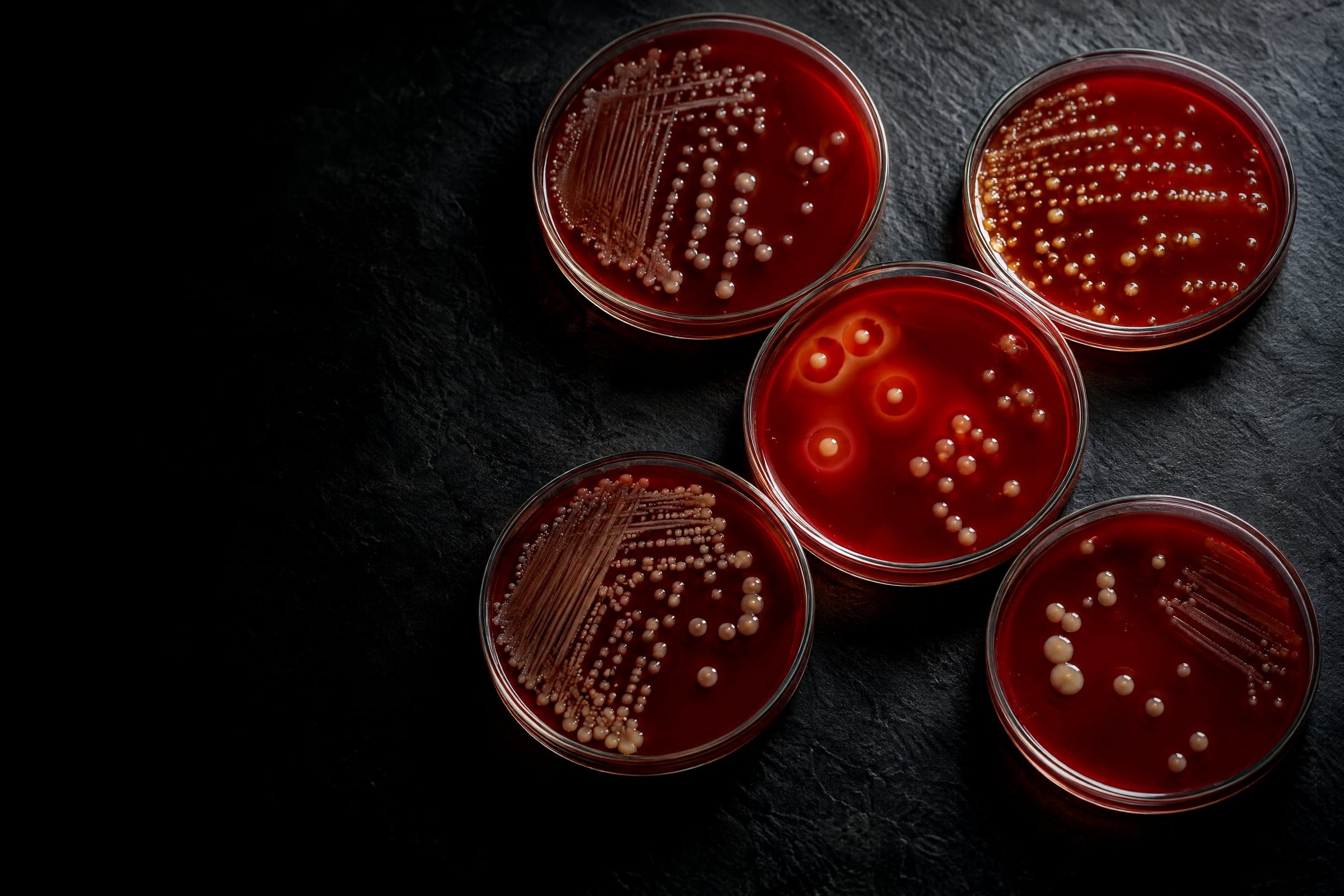
Bald verfügbar
Microbiology
Erkenne, was da wächst, was es tut — und wie du es stoppst.
Der komplette Kurs
- Module
- 74
- Themen
- 919
- Min. pro Lektion
- 15
60%
der physischen Inputs der Wirtschaft ließen sich im Prinzip biologisch herstellen.
Was du danach kannst.

Mikroben sicher kultivieren, färben, zählen
Etappe 1 · Foundations & Lab Practice
Mikrobiellen Stoffwechsel und Wachstum kartieren
Etappe 2 · Physiology & Genetics
Bakterien, Pilze und Viren unterscheiden
Etappe 3 · Diversity & Virology
Erklären, was das Darmmikrobiom tut
Etappe 4 · Ecology & Microbiota
Einen Resistenztest lesen, Resistenzen erkennen
Etappe 5 · Infection & Diagnostics
Eine Schlussfolgerung mit Laborbeweisen verteidigen
Etappe 7 · Practicum & Capstone
Sieben Etappen.Ein stetiger Aufstieg.
Laborbasics, die ganze mikrobielle Welt, dann Infektion und die Beweise.
in 7 Etappen
≈ 12 pro Modul
in Lektionen à 15 Minuten
bis zum Ende des Kurses
- 1
Foundations & Lab Practice
Mikroben sehen, züchten, zählen
10 Module · 120 Themen · ≈ 30 Std.
- 2
Physiology & Genetics
Wie Mikroben leben, sich ernähren, entwickeln
14 Module · 172 Themen · ≈ 43 Std.
- 3
Diversity & Virology
Bakterien, Pilze, Protisten, Viren
16 Module · 192 Themen · ≈ 48 Std.
- 4
Ecology & Microbiota
Gemeinschaften in Boden, Wasser und uns
12 Module · 149 Themen · ≈ 37 Std.
- 5
Infection & Diagnostics
Wie Infektionen beginnen und diagnostiziert werden
13 Module · 177 Themen · ≈ 44 Std.
- 6
Applied Microbiology
Lebensmittel, Wasser und One Health
5 Module · 62 Themen · ≈ 16 Std.
- 7
Practicum & Capstone
Beweise, hinter denen du stehen kannst
4 Module · 47 Themen · ≈ 12 Std.
Monate
Stunden und Monate sind Schätzungen: eine 15-Minuten-Lektion pro Thema, jeden Tag.
Jedes Modul.Jedes Thema.
Modul- und Themen-Titel bleiben Englisch — die Sprache, in der das Fach arbeitet.
Etappe 1
Foundations & Lab Practice
Mikroben sehen, züchten, zählen
10 Module · 120 Themen
1The Microbial World11 Themen
- What Microbiology Studies
- Microorganisms Across the Tree of Life
- Bacteria, Archaea, and Microbial Eukaryotes
- Viruses and Other Acellular Biological Agents
- Microbial Size, Abundance, and Spatial Scales
- Microbes as Individual Cells and Communities
- Free-Living, Host-Associated, and Intracellular Lifestyles
- Beneficial, Neutral, and Harmful Microbial Activities
- Microbes in Planetary Processes
- Microbes in Everyday Environments
- Connections Between Microbiology and Other Biological Sciences
2Discovery, Evidence, and Microbial Causation11 Themen
- Early Observations of Microscopic Life
- Spontaneous Generation and Experimental Refutation
- Germ Theory and Its Historical Development
- Pure Cultures and the Attribution of Biological Functions
- Koch's Postulates and Their Limitations
- Microbial Contributions to Biogeochemical Processes
- Discovering Organisms That Resist Conventional Cultivation
- Association, Mechanism, and Causation
- Asymptomatic Carriage and Opportunistic Disease
- Communities as Causes of Biological Outcomes
- Revising Explanations When New Evidence Appears
3Microbial Classification and Nomenclature12 Themen
- Taxonomy, Systematics, and Phylogeny
- Species, Strains, Isolates, and Clones
- Phenotypic and Phylogenetic Classification
- Why Staining Categories Are Not Evolutionary Lineages
- Ribosomal Markers and Microbial Relationships
- Genome-Based Species Delimitation Concepts
- Species Boundaries and Horizontal Gene Transfer
- Naming Bacteria, Archaea, Fungi, and Protists
- Virus Classification and the Role of ICTV
- Type Material and Reference Strains
- Taxonomic Revisions, Synonyms, and Stable Identifiers
- Communicating Identification at the Supported Resolution
4Microbiological Practice and Biosafety13 Themen
- Hazard Identification and Activity-Based Risk Assessment
- Agent Properties, Exposure Routes, and Laboratory Activities
- Risk Groups and Containment Decisions
- Selecting Appropriate Educational Model Organisms
- Aseptic Practice and Contamination Prevention
- Aerosols, Splashes, Sharps, and Exposure Prevention
- Containment Equipment and Its Intended Uses
- Personal Protective Equipment and Its Limitations
- Decontamination and Biological Waste Management
- Specimen Identification and Secure Material Handling
- Incident Reporting and Exposure Response
- Handling Unknown Samples and Referral Boundaries
- Responsible Conduct and Biosecurity Awareness
5Asking and Testing Microbiological Questions12 Themen
- Descriptive, Comparative, and Mechanistic Questions
- Choosing an Appropriate Microbial Model
- Matching a Method to the Biological Question
- Experimental Units and Biological Replication
- Technical Replicates and Measurement Precision
- Positive, Negative, and Procedural Controls
- Confounding by Medium, Batch, and Growth State
- Randomization and Blinding Where Applicable
- Time Courses and Endpoint Measurements
- Separating Observations from Interpretations
- Reproducibility and Complete Experimental Records
- Limits of Generalizing from a Laboratory Model
6Microscopy of Microorganisms12 Themen
- Magnification, Resolution, and Contrast
- Bright-Field Microscopy
- Phase-Contrast and Differential Interference Contrast
- Dark-Field Microscopy
- Fluorescence Microscopy
- Confocal Imaging of Microbial Structures
- Electron Microscopy and Ultrastructural Evidence
- Live-Cell and Fixed-Sample Imaging
- Sample Preparation Artifacts
- Measuring Cell Size and Morphological Variation
- Imaging Dense Communities and Biofilms
- Interpreting Images Without Overstating Identification
7Staining and Morphological Characterization12 Themen
- Simple and Differential Staining Concepts
- Gram Reaction and Cell Envelope Interpretation
- Acid-Fast Staining and Lipid-Rich Envelopes
- Endospore, Capsule, and Flagellar Visualization
- Fluorescent Labels for Cells and Cellular Components
- Bacterial Shapes and Cellular Arrangements
- Yeasts, Hyphae, and Fungal Reproductive Structures
- Morphological Features of Protists
- Recognizing Mixed Populations
- Effects of Cell Age and Physiological State on Appearance
- Common Staining Artifacts and Misinterpretations
- Combining Morphology with Independent Evidence
8Cultivation and Culture Media12 Themen
- What Cultivation Reveals and What It Misses
- Defined and Complex Media
- Nutrient, Enriched, Selective, and Differential Media
- Liquid, Solid, and Semisolid Growth Environments
- Nutritional Requirements and Growth Factors
- Oxygen Availability in Culture Systems
- Pure Cultures, Mixed Cultures, and Enrichment Cultures
- Fastidious and Host-Dependent Microorganisms
- Colony Formation and Colony Morphology
- The Great Plate Count Anomaly
- Why Laboratory Conditions Select Particular Organisms
- Cultivation as One Source of Microbiological Evidence
9Sampling, Isolation, and Culture Integrity12 Themen
- Defining the Population or Environment to Be Sampled
- Representative Sampling and Spatial Heterogeneity
- Collection, Transport, and Preservation Effects
- Sample Labels, Metadata, and Traceability
- Conceptual Basis of Dilution and Isolation
- Distinguishing a Colony from a Single Original Cell
- Assessing Culture Purity
- Recognizing Contamination and Mixed Growth
- Maintaining the Identity of Reference Cultures
- Storage-Related Changes in Viability and Phenotype
- Bias Introduced During Sample Processing
- Criteria for Repeating or Rejecting a Compromised Sample
10Measuring Microbial Abundance and Activity13 Themen
- Direct Microscopic Cell Counts
- Colony-Forming Units and Their Interpretation
- Most Probable Number Estimates
- Turbidity and Optical Density
- Biomass and Dry Mass Measurements
- Flow Cytometry and Cell Population Measurements
- Metabolic Activity as a Proxy for Living Biomass
- Viability, Culturability, and Membrane Integrity
- Dilution Factors and Quantitative Reporting
- Detection Limits and Quantification Limits
- Aggregation and Its Effect on Cell Estimates
- Comparing Measurements Based on Different Biological Properties
- Reporting Variability and Measurement Uncertainty
Etappe 2
Physiology & Genetics
Wie Mikroben leben, sich ernähren, entwickeln
14 Module · 172 Themen
11Bacterial and Archaeal Cell Organization12 Themen
- Prokaryotic Cell Organization and Its Diversity
- Cytoplasmic Membranes and Their Functions
- Peptidoglycan and Bacterial Cell Walls
- Gram-Positive Cell Envelope Architectures
- Gram-Negative Outer Membranes and Periplasm
- Lipopolysaccharides and Other Surface Components
- Archaeal Membrane Lipids and Surface Layers
- Cell Envelopes Without Peptidoglycan
- Nucleoids, Ribosomes, and Cytoplasmic Organization
- Storage Granules and Specialized Inclusions
- Protein Compartments and Internal Membrane Systems
- Relationships Between Cell Architecture and Microbial Lifestyle
12Microbial Surfaces, Transport, and Motility12 Themen
- Capsules, Slime Layers, and Extracellular Polymers
- Pili, Fimbriae, and Surface Attachment
- Bacterial Flagella and Motility Patterns
- Archaeal Motility Structures
- Twitching, Gliding, and Other Surface Motilities
- Chemotaxis and Directed Movement
- Solute Uptake and Efflux Systems
- Porins and Envelope Permeability
- Nutrient Scavenging at Low Concentrations
- Osmoregulation and Compatible Solutes
- Surface Charge and Interactions with Materials
- Extracellular Vesicles and Material Exchange
13Microbial Growth, Division, and Life Cycles12 Themen
- Cell Growth and Population Growth
- Binary Fission and Division-Site Placement
- Cell Shape Maintenance and Cell Wall Remodeling
- Budding and Asymmetric Division
- Filamentous Growth and Fragmentation
- Coordination of Chromosome Replication and Division
- Multinucleoid and Polyploid Microorganisms
- Differentiated Cell Types Within a Life Cycle
- Reproductive Cells and Survival Structures
- Growth Without Immediate Cell Division
- Age, Damage, and Cellular Inheritance
- Linking Cell-Level Events to Population Measurements
14Nutritional and Environmental Requirements12 Themen
- Carbon, Nitrogen, Sulfur, and Phosphorus Requirements
- Major Elements, Trace Elements, and Growth Factors
- Energy Sources and Electron Sources
- Autotrophy, Heterotrophy, and Mixotrophy
- Oxygen Requirements and Oxygen Tolerance
- Temperature Ranges and Growth Responses
- pH Preferences and pH Homeostasis
- Water Activity and Osmotic Conditions
- Salinity and Ionic Composition
- Pressure, Radiation, and Light Exposure
- Nutrient Limitation and Resource Imbalance
- Interacting Environmental Constraints on Growth
15Population Growth and Growth Strategies12 Themen
- Lag, Exponential, Stationary, and Decline Phases
- Generation Time and Specific Growth Rate
- Exponential Growth and Logarithmic Representation
- Growth Yield and Resource Conversion
- Nutrient Depletion and Waste Accumulation
- Diauxic and Multiphasic Growth
- Batch and Continuous Culture as Experimental Models
- Steady State and Nutrient-Limited Growth
- Growth Rate, Cell Size, and Resource Allocation
- Oligotrophic and Copiotrophic Strategies
- Population Heterogeneity During Apparent Steady Growth
- Interpreting Growth Curves and Departures from Simple Models
16Microbial Metabolic Diversity12 Themen
- Catabolism, Anabolism, and Energy Conservation
- Electron Donors, Electron Acceptors, and Redox Reactions
- ATP Generation and Cellular Energy Budgets
- Ion Gradients and Chemiosmotic Energy Conservation
- Central Carbon Pathways as Shared Metabolic Routes
- Alternative Routes of Substrate Utilization
- Metabolic Flexibility Across Environmental Conditions
- Nutrient Assimilation and Biosynthetic Demands
- Overflow Metabolism and Excreted Products
- Metabolic Trade-Offs and Growth Efficiency
- Linking Metabolic Traits to Ecological Niches
- Inferring Metabolic Capability Without Assuming Activity
17Respiration, Fermentation, and Anaerobic Lifestyles12 Themen
- Aerobic Respiration in Microorganisms
- Anaerobic Respiration and Alternative Electron Acceptors
- Respiratory Chains and Electron Transport Diversity
- Fermentation and Redox Balance
- Major Fermentation End-Product Patterns
- Substrate-Level Phosphorylation
- Facultative Switching Between Metabolic Modes
- Obligately Anaerobic Lifestyles
- Organic Acid and Alcohol Production in Natural Communities
- Acetogenesis and Hydrogen Metabolism
- Energetic Constraints on Anaerobic Growth
- Metabolic Products as Clues to Community Function
18Phototrophy, Chemolithotrophy, and Carbon Fixation12 Themen
- Oxygenic and Anoxygenic Photosynthesis
- Photosynthetic Pigments and Light-Harvesting Strategies
- Bacterial Reaction Centers and Photophosphorylation
- Rhodopsin-Based Light Energy Capture
- Carbon Fixation in Different Microbial Groups
- Oxidation of Reduced Inorganic Compounds
- Hydrogen-, Sulfur-, Iron-, and Nitrogen-Based Energy Metabolism
- Coupling Chemolithotrophy to Carbon Assimilation
- Methanogenesis and Archaeal Energy Conservation
- Methanotrophy and One-Carbon Metabolism
- Mixotrophic Strategies in Variable Environments
- Primary Production Beyond Plants
19Stress Responses, Dormancy, and Survival13 Themen
- Heat Shock and Cold Adaptation
- Oxidative Stress and Protective Responses
- Acid, Alkali, and Osmotic Stress
- Starvation and the Stringent Response
- DNA Damage Responses in Microbial Survival
- Dormancy and Reduced Metabolic Activity
- Endosporulation as a Bacterial Survival Strategy
- Endospore Structure and Resistance Properties
- Germination and Return to Vegetative Growth
- Viable but Nonculturable States
- Persister Subpopulations and Reversible Survival States
- Cross-Protection and Trade-Offs Between Stress Responses
- Survival, Growth, and Reproduction as Different Outcomes
20Microbial Genome Organization and Gene Regulation12 Themen
- Chromosomes, Plasmids, and Accessory Genetic Material
- Genome Size and Microbial Lifestyle
- Operons and Coordinated Gene Expression
- Regulons and Global Regulatory Networks
- Transcriptional Responses to Nutrients and Stress
- Alternative Sigma Factors
- Two-Component Regulatory Systems
- Small RNAs and Riboswitches
- Catabolite Repression and Resource Prioritization
- Phase Variation and Reversible Phenotypic Switching
- Genotype, Expression State, and Observed Phenotype
- Limits of Predicting Function from Gene Presence
21Natural Gene Exchange and Mobile DNA13 Themen
- Vertical Inheritance and Horizontal Gene Transfer
- Natural Transformation
- Conjugation and Cell-Associated DNA Transfer
- Bacteriophage-Mediated Transduction
- Plasmid Host Range and Ecological Persistence
- Transposons and Insertion Sequences
- Integrons and Gene Cassette Capture
- Integrative and Conjugative Elements
- Prophages and Lysogenic Conversion
- Barriers to Genetic Exchange
- Fitness Costs and Maintenance of Mobile Elements
- Gene Exchange Within Microbial Communities
- Interpreting Evidence for a Transfer Event
22Microbial Evolution and Adaptation13 Themen
- Mutation, Selection, and Genetic Drift
- Standing Variation and New Mutations
- Population Bottlenecks and Founder Effects
- Clonal Expansion and Genetic Linkage
- Recombination and Evolutionary Histories
- Ecological Specialization and Trade-Offs
- Genome Reduction in Host-Associated Microbes
- Diversification Within a Microbial Species
- Convergent Evolution in Similar Environments
- Coevolution with Hosts, Competitors, and Viruses
- Evolutionary Rescue and Its Limits
- Distinguishing Adaptation from Short-Term Physiological Response
- Interpreting Laboratory Evolution as Evidence
23Sensing, Signaling, and Collective Behavior12 Themen
- Environmental Sensing and Behavioral Responses
- Chemotactic Signaling and Adaptation
- Quorum Sensing and Signal Accumulation
- Signal Specificity and Cross-Species Communication
- Quorum Quenching and Signal Disruption
- Cyclic Nucleotide Signaling
- Switching Between Motile and Attached States
- Coordinated Surface Movement
- Public Goods and Cooperative Behaviors
- Phenotypic Heterogeneity and Bet Hedging
- Spatial Context in Microbial Communication
- Distinguishing Correlated Activity from Coordinated Behavior
24Biofilms and Spatially Structured Communities13 Themen
- Initial Attachment and Surface Colonization
- Extracellular Matrix Composition and Function
- Microcolonies and Biofilm Architecture
- Nutrient, Oxygen, and Metabolite Gradients
- Physiological Heterogeneity Within a Biofilm
- Single-Species and Multispecies Biofilms
- Adhesion, Cohesion, and Mechanical Stability
- Biofilm Growth, Detachment, and Dispersal
- Biofilms on Living and Nonliving Surfaces
- Biofilm-Associated Tolerance to Stress
- Microscopic and Functional Evidence of Biofilm Formation
- Differences Between Planktonic and Surface-Associated Measurements
- Biofilms in Natural, Clinical, and Built Environments
Etappe 3
Diversity & Virology
Bakterien, Pilze, Protisten, Viren
16 Module · 192 Themen
25Major Gram-Positive Bacterial Groups12 Themen
- Gram-Positive Cocci and Their Ecological Diversity
- Staphylococci and Skin-Associated Lifestyles
- Streptococci Across Host and Environmental Niches
- Enterococci and Their Ecological Flexibility
- Lactic Acid Bacteria
- Aerobic and Facultatively Anaerobic Endospore-Forming Rods
- Anaerobic Endospore-Forming Lineages
- Listeria and Related Non-Spore-Forming Rods
- Corynebacteria and Related Organisms
- Bifidobacteria in Host-Associated Communities
- Filamentous Actinomycetes and Decomposition
- Relating Cell Traits to Ecology and Clinical Significance
26Major Gram-Negative Bacterial Groups13 Themen
- Enterobacterales and Enteric Lifestyles
- Pseudomonads and Metabolic Versatility
- Acinetobacter and Other Environmental Opportunists
- Vibrio and Aquatic Associations
- Aeromonas and Water-Associated Lifestyles
- Neisseria and Mucosal Colonization
- Haemophilus and Other Fastidious Host-Associated Bacteria
- Campylobacter and Helicobacter
- Bacteroides and Related Anaerobic Groups
- Prevotella and Host-Associated Communities
- Fusobacteria and Multispecies Interactions
- Environmental Diversity Beyond Medically Familiar Genera
- Limits of Predicting Traits from a Broad Group Label
27Bacteria with Distinctive Cell Biology and Lifestyles12 Themen
- Mycobacteria and Lipid-Rich Cell Envelopes
- Wall-Less Bacteria and Mycoplasmas
- Spirochetes and Periplasmic Flagella
- Chlamydiae and Intracellular Developmental Cycles
- Rickettsial Organisms and Host Dependence
- Cyanobacteria and Specialized Cell Functions
- Stalked and Budding Bacteria
- Predatory Bacteria and Microbial Food Webs
- Multicellular Development in Myxobacteria
- Ultramicrobacteria and Reduced Cellular Systems
- Giant Bacteria and Unusual Cellular Organization
- Distinctive Phenotypes as Adaptations to Specific Niches
28Archaeal Diversity and Ecology12 Themen
- Distinguishing Archaea from Bacteria
- Methanogenic Archaea
- Ammonia-Oxidizing Archaea
- Halophilic Archaeal Communities
- Thermophilic and Hyperthermophilic Archaea
- Acid-Adapted Archaeal Lifestyles
- Marine and Soil Archaea
- Host-Associated Archaea
- Archaeal Symbioses and Metabolic Dependence
- Archaeal Cell Surfaces and Environmental Adaptation
- Archaeal Contributions to Global Element Cycles
- Cultivation Gaps and Newly Recognized Archaeal Diversity
29Fungal Cell Biology and Life Cycles12 Themen
- Fungal Cell Walls and Membranes
- Yeast, Hyphal, and Dimorphic Growth
- Septate and Coenocytic Hyphae
- Apical Growth and Mycelial Networks
- Absorptive Nutrition and Extracellular Digestion
- Asexual and Sexual Reproduction
- Fungal Spores and Dispersal
- Mating Types and Compatible Interactions
- Nuclear States and Heterokaryosis
- Morphological Switching and Environmental Cues
- Biofilm Formation by Fungi
- Distinguishing Reproductive Spores from Bacterial Endospores
30Fungal Diversity and Ecological Roles13 Themen
- Major Fungal Lineages and Representative Forms
- Saprotrophic Fungi and Organic Matter Decomposition
- Wood Decay and Recalcitrant Plant Material
- Yeasts in Natural and Host-Associated Environments
- Filamentous Molds and Airborne Dispersal
- Candida-Related Yeasts and Opportunistic Lifestyles
- Aspergillus and Environmental Exposure
- Cryptococcus and Encapsulated Yeasts
- Dermatophytes and Keratin-Associated Niches
- Dimorphic Fungi and Environment-Host Transitions
- Fungal Secondary Metabolites and Mycotoxins
- Mycorrhizal and Lichen-Associated Fungi
- Fungal Ecology as Context for Disease and Contamination
31Protist Diversity and Biology12 Themen
- Protists as Diverse Eukaryotic Lineages
- Historical and Modern Uses of the Term Protozoa
- Amoeboid, Flagellated, and Ciliated Forms
- Phagocytosis and Microbial Predation
- Osmoregulation and Contractile Vacuoles
- Trophozoites, Cysts, and Environmental Persistence
- Sexual and Asexual Life-Cycle Strategies
- Free-Living and Host-Associated Protists
- Protists as Hosts for Other Microorganisms
- Mixotrophy and Flexible Nutrition
- Protist Roles in Aquatic and Soil Food Webs
- Interpreting Morphology in a Phylogenetic Context
32Parasitic Protists and Microscopic Parasite Stages13 Themen
- Host Dependence and Parasite Life-Cycle Complexity
- Definitive, Intermediate, and Reservoir Hosts
- Giardia and Intestinal Colonization
- Entamoeba and Invasive Potential
- Trichomonads and Host-Associated Transmission
- Cryptosporidium and Other Intestinal Apicomplexans
- Plasmodium and Alternating Host Environments
- Toxoplasma and Tissue-Associated Persistence
- Trypanosomes and Leishmania
- Microsporidia as Fungal-Related Intracellular Parasites
- Helminth Eggs and Larvae in Microbiological Examination
- Distinguishing Life-Cycle Stages in Diagnostic Evidence
- Ecological Context of Parasite Exposure and Persistence
33Algae and Photosynthetic Microeukaryotes12 Themen
- Unicellular and Colonial Photosynthetic Eukaryotes
- Chloroplast Diversity and Endosymbiotic Origins
- Diatoms and Silica-Based Cell Structures
- Dinoflagellates and Diverse Nutritional Strategies
- Green Microalgae and Other Representative Groups
- Flagella, Buoyancy, and Position in the Water Column
- Primary Production in Aquatic Ecosystems
- Mixotrophy and Interactions with Bacterial Communities
- Algal Blooms and Environmental Conditions
- Toxin-Producing Algae and Exposure Pathways
- Symbioses Involving Photosynthetic Microeukaryotes
- Distinguishing Algae from Photosynthetic Bacteria
34Viral Structure and Classification12 Themen
- Viruses as Host-Dependent Biological Systems
- Virions, Genomes, and Viral Proteins
- Capsid Symmetry and Particle Architecture
- Enveloped and Nonenveloped Viruses
- DNA and RNA Genome Types
- Single-Stranded and Double-Stranded Genomes
- Genome Segmentation and Packaging
- Baltimore Classification and Routes to Messenger RNA
- Taxonomy, Host Association, and Genome Organization
- Virus Species and Within-Species Diversity
- Infectious Particles and Noninfectious Viral Material
- Relationships Between Structure and Environmental Stability
35Viral Replication and Infection Strategies13 Themen
- Attachment and Cellular Entry
- Host Susceptibility and Cellular Permissiveness
- Uncoating and Genome Delivery
- Viral Gene Expression Strategies
- Genome Replication in Broad Virus Classes
- Assembly, Maturation, and Release
- Productive and Abortive Infections
- Acute, Persistent, and Latent Infection Patterns
- Tissue Tropism and Host Range as Biological Properties
- Cytopathic Effects and Cell Survival
- Reactivation and Changes in Host Conditions
- Defective Viral Genomes and Interference
- Distinguishing Viral Load from Infectious Virus
36Bacteriophages and Viruses of Microorganisms14 Themen
- Phage Diversity and Bacterial Hosts
- Lytic and Temperate Life Cycles
- Prophage Maintenance and Host Consequences
- Phage-Host Recognition and Susceptibility
- Plaques as Evidence of Infection and Local Spread
- Restriction-Modification as a Microbial Defense
- CRISPR-Cas as Natural Adaptive Immunity
- Abortive Infection and Other Defense Strategies
- Phage-Host Coevolution
- Phages in Microbial Community Dynamics
- Viral Shunts and Release of Cellular Resources
- Archaeal Viruses and Unusual Virion Forms
- Viruses of Algae and Other Microbial Eukaryotes
- Ecological Limits of Simple Phage-Host Models
37DNA Viruses of Animals and Humans11 Themen
- Comparing Major Animal DNA Virus Groups
- Adenoviruses and Respiratory or Mucosal Associations
- Herpesviruses and Lifelong Host Association
- Papillomaviruses and Epithelial Tropism
- Polyomaviruses and Host Immune Status
- Parvoviruses and Small Single-Stranded DNA Genomes
- Poxviruses and Cytoplasmic Replication
- Hepadnaviruses and Reverse Transcription
- Latency and Persistence Across DNA Virus Groups
- Viral Oncogenesis as a Host-Virus Interaction
- Interpreting DNA Detection in Different Infection States
38RNA Viruses and Retroviruses13 Themen
- Positive-Sense and Negative-Sense RNA Genome Strategies
- Double-Stranded RNA Viruses
- Picornaviruses and Diverse Tissue Associations
- Caliciviruses and Enteric Infection Patterns
- Orthomyxoviruses and Segmented Genomes
- Paramyxoviruses and Pneumoviruses
- Coronaviruses and Large RNA Genomes
- Flaviviruses and Togaviruses
- Rhabdoviruses, Filoviruses, and Other Negative-Sense RNA Groups
- Retroviruses and Integrated Proviral DNA
- Mutation, Recombination, and Reassortment as Evolutionary Processes
- Persistent Infection and Host Immune Responses
- Distinguishing Genome Detection from Active Replication
39Plant and Fungal Virology9 Themen
- Diversity of Plant Virus Genomes and Particles
- Plant Cell Barriers and Routes of Viral Entry
- Movement Between Plant Cells and Tissues
- Plant Virus Persistence and Symptom Variation
- Vector Associations in Plant Virus Ecology
- Plant Antiviral Defenses
- Mycoviruses and Fungal Host Biology
- Viral Effects on Fungal Phenotypes
- Environmental and Agricultural Significance of Natural Viral Interactions
40Viroids, Satellites, and Prions9 Themen
- Viroids as Infectious RNA Agents
- Viroid Dependence on Host Cellular Machinery
- Satellite Nucleic Acids and Helper Dependence
- Satellite Viruses and Other Dependent Viral Systems
- Prions and Self-Propagating Protein Conformations
- Infectious Proteins and Transmissible Disease
- Distinguishing Replication, Propagation, and Cellular Reproduction
- Implications for Detection and Inactivation
- Limits of Applying Standard Microbial Categories
Etappe 4
Ecology & Microbiota
Gemeinschaften in Boden, Wasser und uns
12 Module · 149 Themen
41Foundations of Microbial Ecology12 Themen
- Habitats, Niches, and Environmental Gradients
- Microbial Populations, Communities, and Ecosystems
- Species Richness, Evenness, and Diversity
- Abundance and Biomass in Ecological Interpretation
- Resource Availability and Niche Partitioning
- Dispersal, Colonization, and Environmental Filtering
- Stochastic and Deterministic Community Assembly
- Succession and Disturbance
- Resistance, Resilience, and Recovery
- Spatial Scale and Microbial Biogeography
- Functional Redundancy and Community Stability
- Linking Community Composition to Ecosystem Function
42Microbial Interactions and Community Organization13 Themen
- Competition for Nutrients and Space
- Mutualism, Commensalism, and Parasitism
- Metabolic Cross-Feeding
- Syntrophy and Energetic Interdependence
- Public Goods and Social Exploitation
- Antagonistic Metabolites and Interference Competition
- Predation by Protists and Other Microbes
- Viral Regulation of Microbial Populations
- Contact-Dependent Interactions
- Bacterial-Fungal and Bacterial-Algal Associations
- Microbial Consortia and Emergent Community Functions
- Priority Effects and Colonization History
- Why Co-Occurrence Does Not Establish an Interaction
43Microorganisms in the Carbon Cycle12 Themen
- Microbial Primary Production
- Decomposition of Organic Matter
- Extracellular Enzymes and Complex Substrates
- Aerobic and Anaerobic Carbon Mineralization
- Carbon Transfer Through Microbial Food Webs
- Methane Formation and Methane Oxidation
- Dissolved Organic Carbon and Microbial Processing
- Carbon Storage in Microbial Biomass and Residues
- Syntrophic Carbon Transformations
- Microbial Contributions to Greenhouse Gas Fluxes
- Environmental Controls on Carbon Turnover
- Distinguishing Carbon Transformation Potential from Measured Rates
44Nitrogen, Sulfur, and Metal Transformations14 Themen
- Biological Nitrogen Fixation
- Organic Nitrogen Mineralization
- Nitrification and Ammonia Oxidation
- Complete Ammonia Oxidation
- Denitrification and Gaseous Nitrogen Products
- Anaerobic Ammonium Oxidation
- Dissimilatory Nitrate Reduction to Ammonium
- Sulfur Oxidation and Sulfate Reduction
- Iron and Manganese Redox Transformations
- Phosphorus Mobilization and Assimilation
- Microbial Transformations of Trace Elements
- Coupling Between Element Cycles
- Redox Gradients and Metabolic Zonation
- Measuring Process Activity in Complex Communities
45Soil and Sediment Microbiology12 Themen
- Soil Structure and Microbial Microhabitats
- Organic Matter, Mineral Surfaces, and Cell Attachment
- Water Availability and Pore Connectivity
- Rhizosphere and Bulk Soil Communities
- Fungal Networks and Decomposition
- Oxygen Gradients in Soils and Sediments
- Anaerobic Niches and Redox Stratification
- Seasonal and Disturbance-Driven Community Changes
- Microbial Dormancy and Soil Seed Banks
- Sediment Burial and Long-Term Survival
- Sampling Heterogeneous Soil Communities
- Linking Soil Microbial Activity to Ecosystem Processes
46Freshwater and Marine Microbiology12 Themen
- Planktonic and Surface-Attached Aquatic Communities
- Lakes, Rivers, Estuaries, and Coastal Waters
- Open-Ocean Microbial Communities
- Nutrient Limitation and Seasonal Productivity
- Microbial Loops and Dissolved Organic Matter
- Particle-Associated Microorganisms
- Surface Microlayers and Aquatic Interfaces
- Oxygen Minimum Zones and Stratified Waters
- Deep-Sea and Hydrothermal Communities
- Viral and Protist Control of Microbial Populations
- Harmful Blooms as Community-Level Phenomena
- Aquatic Microbial Biogeography and Environmental Change
47Microbes Associated with Plants and Nonhuman Animals12 Themen
- Rhizosphere Colonization and Root Exudates
- Phyllosphere Microbial Communities
- Plant Endophytes
- Root Nodule Symbioses
- Mycorrhizal Associations
- Plant-Microbe Defense and Disease Interactions
- Herbivore Gut Communities
- Insect Endosymbionts and Nutritional Dependence
- Ruminant Microbiota and Anaerobic Digestion
- Marine Animal Microbial Symbioses
- Host Specificity and Transmission of Symbionts
- Mutualistic Benefits and Context-Dependent Costs
48Airborne Microbes and the Built Environment12 Themen
- Bioaerosols and Microbial Particles
- Emission, Transport, Deposition, and Resuspension
- Viability During Airborne Transport
- Indoor and Outdoor Microbial Sources
- Human Occupancy and Indoor Microbiota
- Moisture and Microbial Growth in Buildings
- Plumbing Systems and Surface Biofilms
- Ventilation and Environmental Distribution
- Microbes on Frequently Contacted Surfaces
- Sampling Bias in Air and Surface Measurements
- Background Microbiota and Evidence of Contamination
- Interpreting Environmental Detection in Exposure Context
49Extreme Environments and Limits of Microbial Life12 Themen
- Temperature Extremes and Cellular Adaptation
- High Salinity and Osmotic Challenges
- Acidic and Alkaline Habitats
- High Pressure and Deep Subsurface Environments
- Desiccation and Water-Limited Habitats
- Radiation Exposure and Cellular Protection
- Nutrient Scarcity and Extremely Slow Growth
- Multiple Simultaneous Environmental Stresses
- Community Life at Environmental Interfaces
- Habitability and Astrobiological Questions
- Distinguishing Active Life from Preserved Biological Signals
- Evidence Limits in Claims About Extreme Survival
50Host-Associated Microbiota13 Themen
- Microbiota, Microbiome, and Microbial Habitat
- Colonization Across the Host Life Course
- Resident, Transient, and Opportunistic Organisms
- Host Selection and Microbial Community Assembly
- Nutrient Exchange Between Host and Microbes
- Colonization Resistance
- Microbial Interactions with Host Barriers
- Effects of Diet, Environment, and Medication
- Community Variation Between Healthy Individuals
- Dysbiosis as a Descriptive and Context-Dependent Concept
- Association and Causality in Microbiome Research
- Model Systems for Studying Host-Microbiota Relationships
- Evidence Limits of Microbiome-Directed Interventions
51The Gut Microbial Ecosystem13 Themen
- Spatial Differences Along the Gastrointestinal Tract
- Oxygen, pH, Transit, and Nutrient Gradients
- Mucus-Associated and Luminal Communities
- Dietary Substrate Utilization
- Microbial Fermentation and Short-Chain Fatty Acids
- Cross-Feeding in Gut Communities
- Bile Acid Transformations
- Microbial Drug and Xenobiotic Metabolism
- Bacteria, Archaea, Fungi, Protists, and Viruses in the Gut
- Community Development and Recovery After Disturbance
- Interactions with Mucosal Immunity
- Interpreting Stool Samples as Partial Ecological Evidence
- Limits of Generalizing Gut Microbiome Findings Across Populations
52Microbiota at Other Human Body Sites12 Themen
- Skin Microhabitats and Local Microbial Communities
- Oral Surfaces, Saliva, and Dental Biofilms
- Upper Respiratory Tract Microbiota
- Microbial Signals in the Lower Respiratory Tract
- Vaginal Community States
- Urinary Tract Microbiota and Sampling Challenges
- Ocular Surface Communities
- Host Secretions and Local Environmental Selection
- Interactions Among Neighboring Body Sites
- Site-Specific Colonization Resistance
- Low-Biomass Samples and Contamination Risk
- Distinguishing Resident Organisms from Clinically Significant Findings
Etappe 5
Infection & Diagnostics
Wie Infektionen beginnen und diagnostiziert werden
13 Module · 177 Themen
53Host Defenses in Microbial Encounters13 Themen
- Physical and Chemical Barriers
- Recognition of Microbial Molecular Patterns
- Phagocytosis and Intracellular Killing
- Complement-Microbe Interactions
- Inflammation and Recruitment of Immune Cells
- Antimicrobial Peptides and Nutritional Immunity
- Antibody-Mediated Protection
- Cell-Mediated Responses to Intracellular Microorganisms
- Immune Memory and Reinfection
- Mucosal Immunity and Microbial Tolerance
- Host Damage Caused by Immune Responses
- Consequences of Immunodeficiency and Immunosuppression
- Vaccination as a Context for Microbial Immune Recognition
54Colonization, Infection, and Disease13 Themen
- Exposure, Colonization, Infection, and Disease
- Pathogenicity and Virulence in Context
- Opportunistic and Primary Pathogens
- Microbial Entry and Establishment
- Adhesion and Tissue Association
- Host Susceptibility and Barrier Disruption
- Localized and Disseminated Infection
- Acute, Chronic, Latent, and Recurrent Patterns
- Intracellular and Extracellular Lifestyles in the Host
- Polymicrobial Infection
- Asymptomatic Infection and Carrier States
- Microbial Burden, Host Response, and Clinical Outcome
- Establishing a Causal Role for a Detected Organism
55Mechanisms of Microbial Pathogenesis14 Themen
- Adhesins and Host-Surface Recognition
- Tissue-Degrading Enzymes and Invasion
- Protein Toxins and Cellular Targets
- Endotoxin-Associated Host Responses
- Secretion Systems in Host-Microbe Interactions
- Intracellular Persistence and Host Cell Modification
- Capsules and Resistance to Host Clearance
- Antigenic Variation and Immune Recognition
- Iron Acquisition and Nutrient Competition in the Host
- Biofilm-Associated Infection
- Viral Effects on Host Cell Function
- Fungal Morphology and Host Interaction
- Parasite Persistence Across Host Compartments
- Virulence as a Product of Microbe, Host, and Environment
56Transmission and Infection Cycles13 Themen
- Sources, Reservoirs, and Susceptible Hosts
- Portals of Entry and Exit
- Direct Contact and Indirect Contact Transmission
- Respiratory Particles and Exposure Context
- Foodborne and Waterborne Transmission
- Vector-Borne Transmission
- Vertical Transmission and Early-Life Exposure
- Environmental Persistence and Opportunities for Exposure
- Infectious Periods and Asymptomatic Transmission
- Host Range and Ecological Barriers to Transmission
- Endogenous Infection and External Acquisition
- Interrupting Transmission at Different Points in the Cycle
- Distinguishing Evidence of Exposure from Evidence of Transmission
57Microbiology of Common Infection Sites14 Themen
- Skin and Soft Tissue Infections
- Wound Communities and Device-Associated Infection
- Upper and Lower Respiratory Infections
- Gastrointestinal Infections and Toxin-Mediated Illness
- Urinary Tract Infections
- Reproductive Tract and Sexually Transmitted Infections
- Bloodstream Infection
- Central Nervous System Infection
- Bone and Joint Infection
- Oral and Dental Infection
- Ocular Infection
- Infection in Immunocompromised Hosts
- Comparing Likely Microbial Groups Across Body Sites
- Connecting Specimen Findings with Site-Specific Microbiology
58Antimicrobial Targets and Microbial Responses13 Themen
- Selective Toxicity and Microbial Vulnerabilities
- Inhibition of Bacterial Cell Wall Synthesis
- Disruption of Microbial Membranes
- Inhibition of Bacterial Protein Synthesis
- Interference with Nucleic Acid Synthesis
- Inhibition of Essential Metabolic Pathways
- Fungal Cell Wall and Membrane Targets
- Viral Replication Steps as Antiviral Targets
- Parasite-Specific Targets and Host Similarities
- Growth Inhibition and Microbial Killing
- Spectrum of Activity and Biological Specificity
- Growth State and Environmental Effects on Drug Activity
- Limits of Translating Laboratory Inhibition into Clinical Outcome
59Antimicrobial Resistance, Tolerance, and Persistence14 Themen
- Intrinsic and Acquired Resistance
- Drug-Inactivating Enzymes
- Target Modification and Target Protection
- Reduced Uptake and Altered Permeability
- Efflux-Mediated Resistance
- Metabolic Bypass and Alternative Functions
- Resistance Determinants on Mobile Genetic Elements
- Selection and Ecological Enrichment of Resistant Populations
- Fitness Costs and Compensatory Evolution
- Cross-Resistance and Co-Resistance
- Phenotypic Tolerance and Persister Cells
- Biofilm-Associated Survival During Antimicrobial Exposure
- Resistance in Fungi, Viruses, and Parasites
- Distinguishing Resistance Markers from Expressed Resistance
60Physical and Chemical Control of Microorganisms13 Themen
- Cleaning, Disinfection, Antisepsis, and Sterilization
- Microbial Susceptibility to Physical and Chemical Control
- Heat-Based Inactivation Principles
- Filtration and Physical Removal
- Radiation-Based Inactivation
- Alcohols, Oxidizing Agents, and Other Disinfectant Classes
- Organic Matter and Surface Effects on Efficacy
- Contact Time and Concentration as Context-Dependent Variables
- Biofilms and Protected Microbial Niches
- Biological and Chemical Indicators of Process Performance
- Microbial Reduction and Logarithmic Interpretation
- Limitations of Inferring Sterility from a Negative Sample
- Matching a Control Method to the Material and Intended Use
61Specimens and Microbiological Diagnostic Reasoning13 Themen
- Defining the Diagnostic Question Before Testing
- Selecting a Specimen That Represents the Relevant Site
- Specimen Quality and Preanalytical Error
- Collection Timing and Prior Antimicrobial Exposure
- Transport Conditions and Organism Recovery
- Contamination, Colonization, and Infection
- Sterile-Site and Nonsterile-Site Specimens
- Organism Burden and Clinical Significance
- Sensitivity, Specificity, and Predictive Interpretation
- Negative Results and Residual Uncertainty
- Incidental and Unexpected Organism Detection
- Combining Microbiological Findings with Host Context
- Recognizing Results That Require Confirmation or Referral
62Culture-Based and Phenotypic Identification14 Themen
- Colony Appearance as Preliminary Evidence
- Microscopy and Staining in an Identification Workflow
- Growth Characteristics and Differential Reactions
- Biochemical Profiles and Metabolic Fingerprints
- Enzyme-Based Identification Tests
- Antigenic Properties and Serological Typing Concepts
- Mass Spectrometry-Based Microbial Identification
- Reference Libraries and Database Coverage
- Automated Identification Systems and Confidence Scores
- Mixed Cultures and Misleading Composite Results
- Identification of Yeasts and Filamentous Fungi
- Morphological Examination of Parasite Stages
- Confirming Unusual or Discordant Identifications
- Reporting Organisms Beyond the Resolution of a Single Test
63Antigen, Antibody, and Molecular Detection14 Themen
- Direct Antigen Detection
- Antibody Detection as Evidence of Host Exposure
- Timing of Seroconversion and Persistence of Antibodies
- Cross-Reactivity and Nonspecific Signals
- Nucleic Acid Amplification as a Detection Principle
- PCR, Reverse Transcription PCR, and Quantitative Readouts
- Multiplex Panels and Their Interpretive Limits
- Amplification Inhibition and Internal Controls
- Detection of Nonviable Organisms and Residual Nucleic Acids
- Sequence-Based Identification as Supporting Evidence
- Viral Genome Counts and Infectious Titers
- Culture, Antigen, Antibody, and Molecular Result Discordance
- Orthogonal Confirmation and Appropriate Test Combinations
- Biological Interpretation of a Positive Molecular Result
64Antimicrobial Susceptibility Evidence14 Themen
- Phenotypic and Genotypic Susceptibility Assessment
- Diffusion-Based and Dilution-Based Test Principles
- Minimum Inhibitory Concentrations
- Inhibitory and Bactericidal Endpoints
- Clinical Breakpoints and Their Intended Use
- Epidemiological Cutoff Values
- Method, Medium, and Inoculum Effects on Results
- Quality Control Organisms and Reference Ranges
- Unusual Resistance Patterns and Confirmation
- Mixed Populations and Heteroresistance
- Antifungal Susceptibility Interpretation
- Molecular Resistance Markers and Phenotypic Discordance
- Why Susceptibility Results Do Not Independently Determine Treatment
- Tracking Resistance Patterns Without Overinterpreting Small Samples
65Culture-Independent Community Characterization15 Themen
- Marker-Gene Profiling and Its Biological Scope
- Metagenomics as Evidence of Community Genetic Potential
- Metatranscriptomic Evidence of Gene Expression
- Metaproteomic and Metabolite Evidence of Activity
- Fluorescence In Situ Hybridization
- Stable Isotope Probing and Functional Attribution
- Spatial Localization of Microorganisms
- Single-Cell Observations Within Mixed Communities
- Relative Abundance and Compositional Data
- Absolute Abundance and Total Microbial Load
- Extraction Bias, Primer Bias, and Reference Bias
- Contamination in Low-Biomass Community Studies
- Distinguishing Living Cells from Environmental DNA
- Integrating Cultivation, Imaging, and Molecular Evidence
- Limits of Inferring Function from Community Composition
Etappe 6
Applied Microbiology
Lebensmittel, Wasser und One Health
5 Module · 62 Themen
66Microbiology of Food Environments12 Themen
- Intrinsic and Extrinsic Factors Affecting Food Microbiota
- Water Activity, Acidity, and Nutrient Availability
- Microbial Succession in Food-Associated Communities
- Beneficial Microbial Activities in Fermented Foods
- Spoilage Organisms and Their Metabolic Effects
- Foodborne Infection and Intoxication
- Fungal Growth and Mycotoxin-Related Hazards
- Refrigeration-Tolerant and Stress-Tolerant Microorganisms
- Biofilms on Food-Contact Surfaces
- Cross-Contamination and Microbial Transfer
- Indicator Organisms and Their Limitations
- Interpreting Food Microbiology Results in Sampling Context
67Water Quality and Wastewater Microbiology13 Themen
- Microorganisms in Source Water and Drinking Water Systems
- Fecal Indicators and Evidence of Contamination
- Indicator Organisms and Pathogen Detection
- Plumbing Biofilms and Microbial Regrowth
- Microbial Removal and Inactivation in Water Treatment
- Disinfection Performance and Residual Uncertainty
- Sampling Location and Temporal Variation
- Organic Matter Transformation in Wastewater Communities
- Microbial Roles in Nitrogen and Phosphorus Removal
- Flocs, Biofilms, and Community Organization
- Microbial Community Disturbance in Treatment Systems
- Water Reuse and Exposure-Relevant Microbiological Evidence
- Interpreting Water Quality Data Without Assuming Complete Absence of Risk
68Microbial Contamination and Biodeterioration12 Themen
- Sources of Unwanted Microorganisms in Materials and Products
- Contamination During Handling, Storage, and Use
- Microbial Growth in Nutrient-Limited Products
- Biofilms on Equipment and Material Surfaces
- Microbially Influenced Corrosion
- Degradation of Polymers and Organic Materials
- Biodeterioration of Paper, Textiles, and Cultural Materials
- Odor, Gas, Pigment, and Texture Changes
- Distinguishing Microbial Damage from Abiotic Damage
- Environmental Monitoring as Evidence of Contamination Trends
- Tracing Recurrent Contamination to Plausible Sources
- Evaluating Control Measures Through Microbiological Evidence
69Microbiology in a One Health Context12 Themen
- Connections Among Human, Animal, Plant, and Environmental Microbes
- Shared Microbial Reservoirs
- Zoonotic Interfaces and Ecological Change
- Land Use, Urbanization, and Microbial Exposure
- Climate-Related Shifts in Microbial Habitats
- Antimicrobial Resistance Across Connected Environments
- Waste Streams and Environmental Dissemination
- Biodiversity and Host-Microbe Relationships
- Microbial Evidence in Cross-Sector Investigations
- Separating Hazard Presence from Exposure and Outcome
- Scientific Uncertainty in Emerging Microbial Problems
- Communicating Microbial Benefits and Risks Accurately
70Quality, Interpretation, and Scientific Communication13 Themen
- Method Suitability for the Intended Biological Question
- Reference Materials and Performance Checks
- Positive, Negative, Extraction, and Environmental Controls
- Carryover and Cross-Contamination in Testing Workflows
- Detection Limits and Sampling-Related False Negatives
- Reproducibility Across Operators, Batches, and Laboratories
- Resolving Conflicting Microbiological Results
- Distinguishing Identification, Quantification, and Functional Evidence
- Reporting Units, Conditions, and Method Limitations
- Documenting Exclusions, Failed Controls, and Repeated Tests
- Reading Microbiology Figures and Research Papers Critically
- Communicating Findings to Scientific and Nonspecialist Audiences
- Avoiding Causal Claims Unsupported by the Study Design
Etappe 7
Practicum & Capstone
Beweise, hinter denen du stehen kannst
4 Module · 47 Themen
71Microscopy and Culture Evidence Practicum10 Themen
- Selecting a Suitable Teaching Organism and Question
- Comparing Micrographs from Different Imaging Methods
- Interpreting Morphology and Staining Evidence
- Recognizing Preparation Artifacts and Mixed Populations
- Evaluating the Purity of a Defined Teaching Culture
- Comparing Colony Counts and Optical Density Data
- Calculating Abundance from Provided Dilution Data
- Investigating a Discrepancy Between Counting Methods
- Identifying Missing Controls in a Laboratory Record
- Writing an Evidence-Based Microbial Characterization Report
72Microbial Physiology and Ecology Practicum12 Themen
- Interpreting Growth Curves Under Different Conditions
- Estimating Growth Rates from Provided Measurements
- Comparing Growth Yield and Growth Rate
- Inferring Metabolic Strategies from Environmental Evidence
- Interpreting Responses to Nutrient and Oxygen Gradients
- Examining Physiological Differences Within a Biofilm
- Comparing Communities Before and After Disturbance
- Evaluating Evidence for Cross-Feeding or Competition
- Linking Element Transformations to Microbial Activity Data
- Recognizing Relative-Abundance Artifacts
- Combining Community Composition with Functional Measurements
- Developing Alternative Explanations for an Ecological Pattern
73Diagnostic and Resistance Evidence Practicum12 Themen
- Reviewing a Case with Possible Specimen Contamination
- Distinguishing Colonization from Evidence of Infection
- Comparing Culture and Molecular Detection Results
- Interpreting Antigen and Antibody Findings Over Time
- Evaluating a Mixed-Culture Identification
- Investigating an Unusual Phenotypic Identification
- Reading a Provided Susceptibility Report
- Interpreting Resistance Gene and Phenotype Discordance
- Distinguishing Resistance from Tolerance in Published Data
- Assessing Microbiological Evidence from Water or Food Samples
- Recognizing When the Available Data Do Not Resolve the Question
- Preparing a Concise Report with Supported Conclusions
74Integrated Microbiology Capstone13 Themen
- Defining a Microbiological Question and Its Context
- Selecting Relevant Organisms, Communities, or Existing Datasets
- Identifying Biological Assumptions and Sampling Constraints
- Choosing Complementary Methods of Investigation
- Planning Appropriate Controls and Replication
- Addressing Biosafety and Responsible Research Requirements
- Integrating Structural, Physiological, and Ecological Evidence
- Evaluating Competing Biological Explanations
- Distinguishing Presence, Viability, Activity, and Causation
- Presenting Quantitative Results with Their Limitations
- Connecting Findings to a Broader Microbiological Problem
- Proposing the Next Evidence Needed to Resolve Uncertainty
- Defending Conclusions Through Scientific Discussion
Fünfzehn Minuten.Jeden Tag.
- 1
Eine Lektion passt in die Mittagspause
Eine Idee nach der anderen, auf kurzen Folien. Eine ganze Lektion dauert etwa fünfzehn Minuten.
- 2
Übung mit sofortigem Feedback
Die Fragen stecken in der Lektion. Antworte und sieh sofort, ob es sitzt.
- 3
Eine Serie, die dich zurückholt
Eine Lektion am Tag hält die Serie am Leben. Kleine, stetige Schritte tragen dich durch.
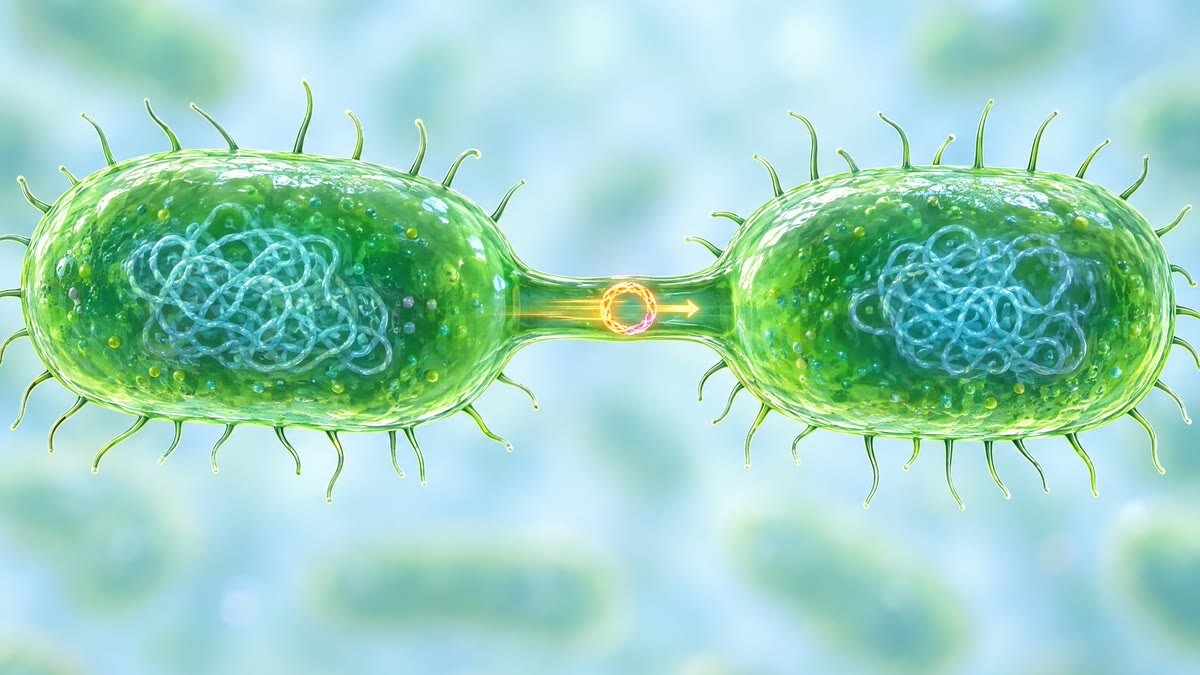
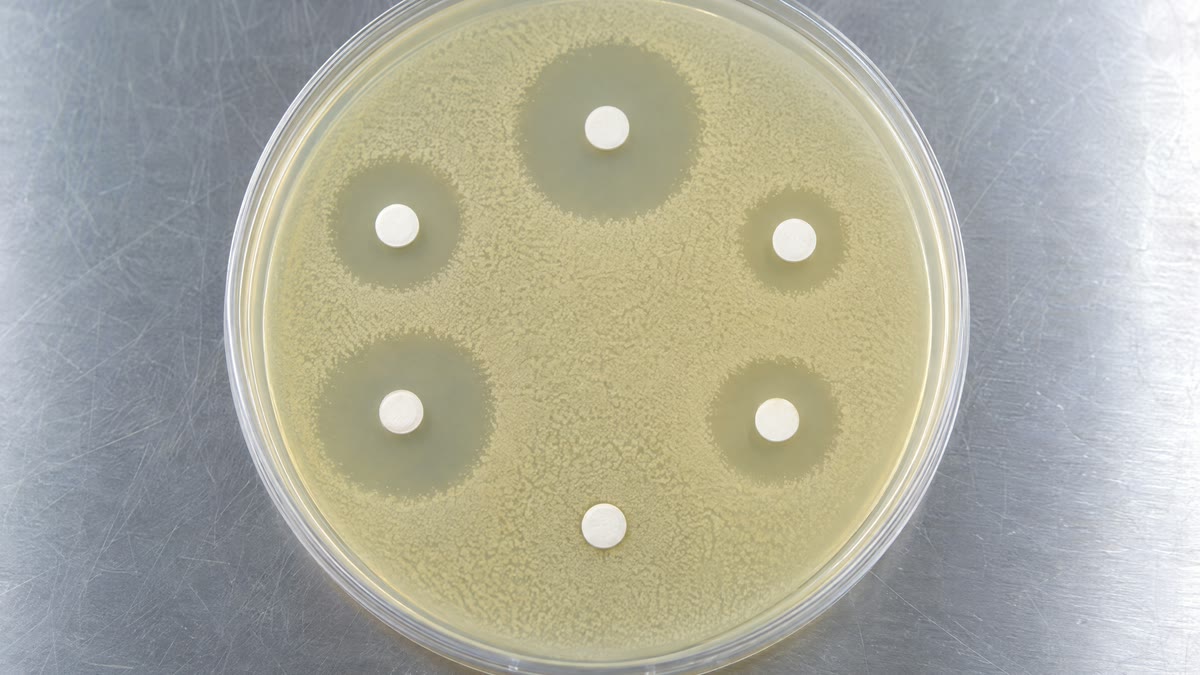
- 1
Eine Lektion passt in die Mittagspause
Eine Idee nach der anderen, auf kurzen Folien. Eine ganze Lektion dauert etwa fünfzehn Minuten.
- 2
Übung mit sofortigem Feedback
Die Fragen stecken in der Lektion. Antworte und sieh sofort, ob es sitzt.
- 3
Eine Serie, die dich zurückholt
Eine Lektion am Tag hält die Serie am Leben. Kleine, stetige Schritte tragen dich durch.
Für Labor und Klinik.
Pflege- und Pre-Med-Studierende
Wo du am meisten wächst
Einen Resistenztest lesen, Resistenzen erkennen
Etappe 5 · Infection & DiagnosticsLaboranten auf dem Weg in die Klinik
Fachkräfte für Lebensmittel- und Wassersicherheit
Wo du am meisten wächst
Mikroben sicher kultivieren, färben, zählen
Etappe 1 · Foundations & Lab Practice
Wohin dieser Kurs führt.
Der Job, um den dieser Kurs gebaut ist, und wie Menschen hineinkommen.
QC Microbiologist
Prüft Produkte und Umgebungen auf Mikroben, damit sicher ist, was das Werk verlässt.
Alle ZukunftsberufeIm Job
- Tests auf mikrobielle Grenzwerte und Sterilität durchführen
- Einen Reinraum überwachen und eine fehlgeschlagene Probe untersuchen
- Alles nach regulatorischen Standards dokumentieren
So kommt man hinein
Ein Studium in Mikrobiologie oder einer verwandten Naturwissenschaft; Rollen in der Qualitätssicherung folgen regulierten Verfahren.

Sei von Anfang an dabei.
Frühzugriff für Einzelpersonen, Piloten für Teams. Sag uns, wer lernt.
enterprise@astratrainer.com