


In arrivo
Drones & Aerial Robotics
Costruisci droni che portano a termine la missione e tornano a casa.
Il corso completo
- moduli
- 77
- argomenti
- 907
- min per lezione
- 15
58%
delle aziende si aspetta che robot e sistemi autonomi ridisegnino il proprio business entro il 2030.
Quello che saprai fare.

Dimensiona il velivolo sulla missione
Tappa 1 · Foundations & Aerodynamics
Abbina motori, eliche e batterie
Tappa 2 · Airframe, Propulsion & Power
Fondi i dati di IMU, GNSS e telecamera
Tappa 3 · Avionics, Sensing & Navigation
Calibra i piloti automatici per multirotore e ad ala fissa
Tappa 4 · Flight Control & Autonomy
Pianifica missioni di mappatura, ispezione e consegna
Tappa 5 · Payloads & Missions
Esegui test di volo e leggi i log
Tappa 6 · Test, Safety & Compliance
Sette tappe.Una salita costante.
Dall'aerodinamica al pilota automatico, fino a una missione volata, registrata e approvata.
in 7 tappe
≈ 12 per modulo
in lezioni da 15 minuti
per finire l'intero corso
- 1
Foundations & Aerodynamics
Perché vola, e quanto grande farlo
11 moduli · 130 argomenti · ≈ 33 h
- 2
Airframe, Propulsion & Power
Telaio, motori, batterie, calore
7 moduli · 82 argomenti · ≈ 21 h
- 3
Avionics, Sensing & Navigation
Sapere dove si trova, anche senza GPS
11 moduli · 128 argomenti · ≈ 32 h
- 4
Flight Control & Autonomy
Volare da solo, dal decollo all'aggancio
13 moduli · 156 argomenti · ≈ 39 h
- 5
Payloads & Missions
Telecamere, lidar e i loro compiti
16 moduli · 190 argomenti · ≈ 48 h
- 6
Test, Safety & Compliance
Testato, registrato e a norma per volare
14 moduli · 168 argomenti · ≈ 42 h
- 7
Practicum & Capstone
Progetta, simula, vola, relaziona
5 moduli · 53 argomenti · ≈ 13 h
Mesi
Ore e mesi sono stime: una lezione da 15 minuti per argomento, ogni giorno.
Ogni modulo.Ogni argomento.
I titoli di moduli e argomenti restano in inglese, la lingua in cui lavora questo settore.
Tappa 1
Foundations & Aerodynamics
Perché vola, e quanto grande farlo
11 moduli · 130 argomenti
1The Field of Drones and Aerial Robotics10 argomenti
- Uncrewed Aircraft and Complete UAS Architectures
- Remotely Piloted, Automated, and Autonomous Flight
- Aircraft, Ground Segment, and Communication Links
- Aerial Robots as Coupled Physical and Software Systems
- Flight-Critical and Mission-Critical Functions
- Civil, Scientific, and Industrial Drone Applications
- Small Aircraft and Larger UAS Design Differences
- Research Prototypes and Operational Aircraft
- Interfaces With Robotics, Perception, and Control Engineering
- The Aerial Robotics Development Lifecycle
2Mission Requirements and Operational Concepts12 argomenti
- Defining the Mission and Intended Operating Environment
- Payload and Data Quality Requirements
- Range, Endurance, and Coverage Requirements
- Launch, Recovery, and Ground Support Constraints
- Wind, Weather, and Terrain Assumptions
- Human Supervision and Intervention Requirements
- Navigation and Communication Availability
- Flight Volume and Operating Area Definitions
- Energy Reserves and Mission Completion Criteria
- Availability and Turnaround Requirements
- Translating Mission Needs Into Engineering Requirements
- Requirements Traceability and Verification Planning
3Aircraft Configurations and Architecture Tradeoffs11 argomenti
- Quadrotor, Hexarotor, and Octocopter Layouts
- Conventional and Coaxial Rotor Arrangements
- Single-Rotor Helicopter Configurations
- Conventional Fixed-Wing Aircraft
- Flying Wings and Tailless Aircraft
- Lift-Plus-Cruise VTOL Configurations
- Tiltrotor and Tiltwing Configurations
- Tailsitter Aircraft
- Tethered Aircraft and Buoyant Platforms
- Payload, Efficiency, Complexity, and Maintainability Tradeoffs
- Selecting an Aircraft Architecture for a Mission
4Coordinate Frames and Flight Representations12 argomenti
- Earth-Fixed, Local Navigation, and Body Frames
- North-East-Down and East-North-Up Conventions
- Sensor, Payload, and Camera Frames
- Position, Velocity, and Acceleration Representations
- Euler Angles and Rotation Sequences
- Quaternions for Aircraft Orientation
- Angular Velocity and Body Rates
- Transforming Measurements Between Frames
- Latitude, Longitude, and Local Cartesian Coordinates
- Ellipsoidal, Orthometric, and Relative Altitude
- Reference Origins and Frame Reset Events
- Coordinate Convention Errors in Flight Integration
5Atmosphere and Weather for Drone Engineering12 argomenti
- Air Density, Pressure, and Temperature
- Density Altitude and Aircraft Performance
- Wind Speed, Direction, and Gusts
- Atmospheric Turbulence Near the Ground
- Terrain-Induced Flow and Building Wakes
- Sea Breezes and Local Weather Patterns
- Thermal Activity and Convective Conditions
- Rain, Snow, Fog, and Visibility
- Icing Conditions and Aircraft Vulnerability
- Weather Forecasts and Local Measurements
- Weather Limits for Aircraft and Payloads
- Weather Uncertainty in Mission Decisions
6Fixed-Wing Aerodynamics12 argomenti
- Lift, Drag, and Aerodynamic Moments
- Angle of Attack and Sideslip
- Airfoil Geometry and Aerodynamic Coefficients
- Reynolds Number Effects on Small Aircraft
- Wing Aspect Ratio and Induced Drag
- Wing Loading and Stall Speed
- Boundary-Layer Separation and Stall Behavior
- Control Surfaces and Aerodynamic Authority
- Fuselage, Landing Gear, and Payload Drag
- Propeller Slipstream Effects on Wings and Tails
- Ground Effect During Takeoff and Landing
- Aerodynamic Data and Model Limitations
7Rotor and Propeller Aerodynamics13 argomenti
- Rotor Thrust and Reaction Torque
- Momentum Theory and Induced Velocity
- Blade Element Models for Propellers
- Propeller Diameter, Pitch, and Blade Count
- Thrust and Power Coefficients
- Advance Ratio and Forward-Flight Performance
- Disk Loading and Hover Efficiency
- Rotor-Rotor and Rotor-Airframe Interactions
- Coaxial Rotor Performance Tradeoffs
- Ground, Wall, and Ceiling Effects
- Descending Flight and Vortex Ring Conditions
- Propeller Noise and Tip-Speed Effects
- Interpreting Propeller Test Data
8Aircraft Performance and Flight Envelopes12 argomenti
- Hover Power and Hover Endurance
- Climb and Descent Performance
- Cruise Power and Cruise Efficiency
- Maximum Endurance and Maximum Range Conditions
- Payload-Range and Payload-Endurance Tradeoffs
- Wind Effects on Groundspeed and Return Energy
- Turn Radius, Bank Angle, and Load Factor
- Acceleration and Braking Distance
- Maneuvering Limits and Actuator Margins
- Temperature and Altitude Derating
- Reserve Energy and Diversion Allowances
- Defining a Mission-Specific Flight Envelope
9Aircraft Dynamics and Coupled Motion12 argomenti
- Rigid-Body Equations of Aircraft Motion
- Translational and Rotational Dynamics
- Mass, Center of Gravity, and Inertia
- Rotor Thrust and Aircraft Attitude Coupling
- Aerodynamic Force and Moment Models
- Motor and Actuator Dynamics
- Gyroscopic Effects in Aerial Vehicles
- Disturbance Forces and Wind Response
- Flexible Structures and Unmodeled Dynamics
- Hover and Forward-Flight Operating Points
- Linearized Models Around Flight Conditions
- Limits of Simplified Drone Models
10Fixed-Wing Stability and Trim12 argomenti
- Aircraft Trim and Equilibrium Conditions
- Longitudinal Static Stability
- Lateral and Directional Stability
- Center of Gravity and Neutral Point
- Tail Volume and Stability Margins
- Short-Period and Phugoid Motion
- Roll, Spiral, and Dutch Roll Modes
- Trim Changes With Payload and Airspeed
- Control Surface Sizing and Authority
- Stall Recovery Design Considerations
- Stability Tradeoffs in Flying Wings
- Validating Predicted Stability Through Flight Evidence
11Preliminary Aircraft Sizing12 argomenti
- Mission Segment Definitions
- Aircraft Mass Budgets
- Payload and Avionics Mass Allocation
- Thrust-to-Weight Requirements
- Rotor Size and Motor Selection Constraints
- Wing Area and Wing Loading Selection
- Energy Capacity and Propulsion Efficiency
- Structural Mass and Packaging Allowances
- Center-of-Gravity Range Planning
- Iterative Mass and Energy Closure
- Sensitivity to Payload Growth
- Architecture Comparison and Design Margins
Tappa 2
Airframe, Propulsion & Power
Telaio, motori, batterie, calore
7 moduli · 82 argomenti
12Airframes, Materials, and Structural Design12 argomenti
- Airframe Load Paths
- Maneuver, Gust, Landing, and Handling Loads
- Stiffness and Strength Requirements
- Carbon Composites, Metals, Foams, and Polymers
- Composite Tube and Plate Airframes
- Wing Spars, Skins, and Control Surface Structures
- Joints, Fasteners, and Bonded Connections
- Local Reinforcement Around Motors and Payloads
- Fatigue and Damage Tolerance
- Environmental Exposure and Material Degradation
- Structural Analysis and Physical Test Correlation
- Repairability and Modular Airframe Design
13Mechanical Integration and Vibration11 argomenti
- Motor Mounts and Propeller Clearances
- Landing Gear and Impact Energy Management
- Payload Mounting and Structural Interfaces
- Propeller Balance and Rotating Imbalance
- Airframe Resonance and Sensor Contamination
- Vibration Isolation and Mounting Tradeoffs
- Mechanical Alignment and Assembly Tolerances
- Cable Routing Through Moving Mechanisms
- Tilt Mechanisms and Actuator Linkages
- Fastener Retention and Assembly Inspection
- Packaging for Transport and Field Assembly
14Electric Propulsion System Selection12 argomenti
- Brushless Motor Operating Characteristics
- Motor Constants and Torque-Speed Behavior
- Propeller-Motor Matching
- Voltage, Current, and Electrical Power Limits
- Static and Dynamic Thrust Requirements
- Motor Efficiency Across the Mission
- Propulsion Thermal Limits
- Thrust Reserve and Control Authority
- Propeller Selection for Noise and Efficiency
- Propulsion Bench Test Interpretation
- Multimotor Consistency and Replacement Matching
- Propulsion System Selection Under Mass Constraints
15Motor Controllers and Flight Actuators12 argomenti
- Electronic Speed Controller Functions
- Motor Commutation and Response Delay
- Motor Command Interfaces and Telemetry
- Controller Current and Thermal Ratings
- Desynchronization and Propulsion Fault Symptoms
- Fixed-Wing Servos and Control Linkages
- Servo Torque, Speed, and Backlash
- Tiltrotor and Tiltwing Actuation Requirements
- Actuator Saturation and Rate Limits
- Position Feedback and Actuator Health
- Power Supply Requirements for Actuation
- Actuator Testing and Integration Evidence
16Alternative Propulsion and Endurance Architectures11 argomenti
- Internal Combustion Propulsion for Small Aircraft
- Engine-Propeller Matching at System Level
- Fuel Mass and Endurance Estimation
- Vibration and Thermal Integration of Engines
- Hybrid-Electric Propulsion Architectures
- Generator and Battery Power Sharing
- Fuel Cell Power System Interfaces
- Solar-Assisted Aerial Platforms
- Tether-Supplied Electrical Power
- Propulsion Redundancy and Common-Cause Failures
- Mission Suitability of Alternative Energy Systems
17Batteries and Onboard Energy Management12 argomenti
- Battery Chemistry and Pack Selection
- Cell Count, Capacity, and Discharge Capability
- Pack Energy and Usable Mission Energy
- Voltage Sag Under Flight Loads
- State-of-Charge and State-of-Health Estimation
- Battery Temperature and Environmental Effects
- Power Limits Near End of Discharge
- Battery Protection and Monitoring Interfaces
- Charging, Balancing, and Storage Requirements
- Battery Aging and Fleet Consistency
- Energy Reserve Policies for Flight Planning
- Battery Handling and Incident Response Planning
18Power Distribution, Thermal Design, and EMI12 argomenti
- Aircraft Power Distribution Architecture
- Flight Controller and Payload Power Domains
- Regulators, Power Modules, and Voltage Conversion
- Cable Sizing and Connector Selection
- Inrush Current and Transient Loads
- Brownouts and Power Recovery Behavior
- Electrical Grounding and Return Paths
- Electromagnetic Interference From Propulsion Systems
- Antenna and Sensor Separation Requirements
- Heat Rejection in Compact Avionics Bays
- Cooling During Hover and Forward Flight
- Power Integrity Verification on the Ground
Tappa 3
Avionics, Sensing & Navigation
Sapere dove si trova, anche senza GPS
11 moduli · 128 argomenti
19Flight Controllers and Avionics Architecture11 argomenti
- Flight Controller Functions and Hardware Blocks
- Processor, Memory, and Timing Constraints
- Sensor Interfaces and Expansion Ports
- Real-Time Flight Tasks and Scheduling
- Redundant Sensors and Power Inputs
- Data Logging and Persistent Storage
- Companion Computer and Autopilot Responsibilities
- Watchdogs and System Health Monitoring
- Flight-Critical Hardware Selection Criteria
- Avionics Installation and Service Access
- Hardware Compatibility and Lifecycle Support
20Inertial Sensors for Flight11 argomenti
- Accelerometer and Gyroscope Measurements
- Specific Force and Gravitational Acceleration
- Sensor Bias, Noise, and Scale Factor
- Temperature Dependence of Inertial Sensors
- Sampling Rate and Anti-Aliasing
- Inertial Measurement Unit Saturation
- Rotor Vibration and Measurement Clipping
- Sensor Orientation and Mounting Effects
- Multiple-IMU Architectures
- Inertial Sensor Health Indicators
- Interpreting Raw Inertial Data
21Air Data, Altitude, and Heading Sensors12 argomenti
- Barometric Altitude Measurement
- Static Pressure Errors on Small Aircraft
- Propeller Wash and Barometer Placement
- Pitot-Static Airspeed Measurement
- Indicated, Calibrated, and True Airspeed
- Airspeed Sensor Offset and Installation Errors
- Angle-of-Attack and Sideslip Sensing Concepts
- Magnetometer Measurements and Heading
- Hard-Iron and Soft-Iron Disturbances
- Motor Current Effects on Magnetic Measurements
- Heading Sources Beyond Magnetic Compasses
- Sensor Disagreement and Flight Consequences
22GNSS and Georeferencing12 argomenti
- GNSS Position, Velocity, and Time Outputs
- Satellite Geometry and Dilution of Precision
- Multipath, Obstructions, and Signal Quality
- Antenna Placement and Ground Plane Effects
- Differential GNSS and Correction Services
- RTK Positioning and Fix Quality
- Post-Processed Kinematic Positioning
- Base Stations and Coordinate References
- Dual-Antenna Heading Systems
- GNSS Integrity and Measurement Plausibility
- Navigation Accuracy and Payload Georeferencing Accuracy
- Loss of GNSS and Recovery Considerations
23Navigation Cameras and Proximity Sensors11 argomenti
- Optical Flow Sensors for Aerial Motion
- Stereo and Depth Camera Interfaces
- Lidar and Laser Rangefinders
- Radar Altimeters and Proximity Radar
- Ultrasonic Ranging Near Surfaces
- Field of View and Sensor Coverage
- Range, Resolution, and Update Rate Tradeoffs
- Lighting, Texture, and Reflectivity Limitations
- Rotor Wash, Dust, Rain, and Sensor Performance
- Sensor Weight, Power, and Compute Requirements
- Selecting Sensors for a Flight Environment
24Calibration, Timing, and Sensor Integration11 argomenti
- Sensor Intrinsic Calibration Requirements
- Sensor-to-Body Extrinsic Calibration
- Camera-IMU Alignment for Aerial Platforms
- Antenna and Payload Lever Arms
- Hardware Triggering and Timestamp Alignment
- Clock Drift and Synchronization
- Data Latency and Delayed Measurements
- Calibration Quality and Residual Errors
- Temperature and Mechanical Changes After Calibration
- Configuration Records and Calibration Traceability
- Verifying Sensor Integration Before Flight
25Aircraft State Estimation12 argomenti
- Attitude, Velocity, and Position Estimation
- Inertial Propagation and Drift
- Measurement Updates in Flight Estimators
- Complementary and Kalman Filtering in Autopilots
- Extended Kalman Filter Applications to Flight
- Estimating Sensor Biases and Wind
- Observability Across Aircraft Maneuvers
- Innovation Residuals and Consistency Checks
- Measurement Rejection and Outlier Handling
- Estimator Initialization and Alignment
- Estimator Resets and Reference Changes
- Assessing State Estimate Quality for Flight Modes
26Localization Without Reliable GNSS12 argomenti
- Visual Odometry as an Aircraft Navigation Input
- Visual-Inertial Odometry Integration
- Lidar-Based Localization Interfaces
- Optical Flow and Range-Based Position Holding
- Motion Capture for Indoor Flight Research
- UWB Positioning and Anchor Geometry
- Map-Based Localization for Aerial Missions
- Local and Global Reference Alignment
- Drift, Relocalization, and Position Discontinuities
- Navigation Source Switching and Consistency
- Localization Confidence and Operational Limits
- Landing and Recovery When Localization Degrades
27Command and Control Communication Links12 argomenti
- Command, Telemetry, and Payload Link Requirements
- Direct Radio and Networked Communication Architectures
- Link Budgets for Aircraft Operating Volumes
- Antenna Placement, Polarization, and Orientation
- Terrain, Buildings, and Aircraft Shadowing
- Latency, Jitter, Packet Loss, and Link Availability
- Bandwidth Allocation Between Flight and Payload Data
- Radio Interference and Link Quality Monitoring
- Cellular and Satellite Communication Interfaces
- Redundant Links and Handover Behavior
- Communication Coverage Surveys
- Lost-Link Detection and Mission Consequences
28Onboard Networks and Flight Data Interfaces12 argomenti
- Serial, CAN, Ethernet, and USB Interfaces
- Sensor and Actuator Bus Requirements
- Message Rates and Bus Loading
- MAVLink Message and Command Concepts
- Telemetry Streams and Message Prioritization
- Commands, Acknowledgments, and Timeouts
- Aircraft Identity and Component Addressing
- Time Synchronization Across Flight Components
- Coordinate Frames in Navigation Messages
- Parameter Transfer and Mission Transfer
- Interface Versioning and Compatibility
- Diagnosing Communication Integration Faults
29Ground Control Stations and Remote Supervision12 argomenti
- Ground Station Architecture and Functions
- Vehicle Discovery and Connection Status
- Map Views and Aircraft State Displays
- Mission Upload and Route Review
- Telemetry Interpretation and Status Awareness
- Command Authority and Mode Selection
- Alerts, Warnings, and Operator Workload
- Remote Pilot and Observer Coordination
- Ground Station Power and Network Resilience
- Control Handover and Multi-Operator Workflows
- Ground Segment Logs and Mission Records
- Ground Control Station Usability Testing
Tappa 4
Flight Control & Autonomy
Volare da solo, dal decollo all'aggancio
13 moduli · 156 argomenti
30Autopilot Software Architecture12 argomenti
- Flight Stack Modules and Data Flow
- Sensor Drivers and Estimator Interfaces
- Guidance, Navigation, and Control Boundaries
- Commander and Vehicle State Management
- Actuator Output and Control Allocation Interfaces
- PX4 Architecture and Configuration Concepts
- ArduPilot Architecture and Vehicle Families
- Flight Stack Hardware Abstraction
- Runtime Parameters and Persistent Configuration
- Software Versions and Reproducible Builds
- Update, Rollback, and Compatibility Planning
- Separating Experimental Functions From Core Flight Tasks
31Aircraft Configuration and Flight Modes12 argomenti
- Airframe Selection and Geometry Definition
- Motor Numbering and Rotation Conventions
- Control Surface Mapping and Servo Direction
- Sensor Orientation and Calibration Records
- Manual, Stabilized, Altitude, and Position Modes
- Mission, Return, and Offboard Modes
- Mode Prerequisites and Estimator Dependencies
- Arming Conditions and Readiness Checks
- Flight Limits and Geofence Configuration
- Mode Transition Behavior
- Configuration Baselines for Each Aircraft
- Reviewing Configuration After Hardware Changes
32Applied Multirotor Flight Control12 argomenti
- Cascaded Position, Velocity, Attitude, and Rate Loops
- Translational Motion Through Thrust Vectoring
- Attitude Setpoints and Yaw Management
- Body-Rate Tracking and Disturbance Response
- Hover Thrust Estimation
- Motor Mixing and Control Allocation
- Thrust Saturation and Axis Priorities
- Integral Windup and Recovery
- Filtering and Control Loop Delay
- Feedforward Terms for Trajectory Tracking
- Payload Changes and Controller Performance
- Flight Controller Tuning Within a Validated Envelope
33Applied Fixed-Wing Guidance and Control12 argomenti
- Roll, Pitch, Yaw, and Airspeed Control Functions
- Coordinated Turns and Lateral Guidance
- Cross-Track Error and Path Following
- Altitude and Airspeed Coupling
- Total Energy Control Concepts
- Climb Rate, Throttle, and Pitch Limits
- Minimum Airspeed and Stall Protection Interfaces
- Wind Compensation During Route Tracking
- Turn Feasibility and Waypoint Acceptance
- Loiter Geometry and Radius Selection
- Fixed-Wing Landing Approach Guidance
- Flight Mode Behavior Near Performance Limits
34Hybrid VTOL Flight and Transition Management12 argomenti
- Hover, Transition, and Cruise Flight Regimes
- Lift-Plus-Cruise Power and Control Coordination
- Tiltrotor and Tiltwing Transition Mechanisms
- Tailsitter Attitude and Frame Transitions
- Airspeed Build-Up and Aerodynamic Lift Transfer
- Transition Altitude and Energy Requirements
- Control Allocation Across Flight Regimes
- Aerodynamic Interference During Transition
- Forward and Backward Transition Logic
- Wind Sensitivity and Transition Envelopes
- Aborted Transition and Recovery Behavior
- Validating VTOL Transition Models and Flight Data
35Aircraft Identification and Flight Tuning12 argomenti
- Selecting Models for Flight System Identification
- Using Ground Tests to Estimate Propulsion Dynamics
- Estimating Mass Properties and Aerodynamic Parameters
- Flight Data Quality for Identification
- Excitation Maneuvers Within Tested Limits
- Identifying Actuator and Sensor Delays
- Closed-Loop Response Assessment
- Frequency Content and Oscillation Diagnosis
- Distinguishing Control Problems From Estimation Problems
- Gain Scheduling Across Operating Conditions
- Documenting Tuning Changes and Regression Results
- Establishing Acceptance Criteria for Handling Performance
36Companion Computers and Onboard Autonomy12 argomenti
- Companion Computer Hardware Selection
- Onboard Compute, Mass, and Power Budgets
- Real-Time Flight Control and High-Level Autonomy
- ROS 2 Integration With Flight Systems
- Offboard Command and Setpoint Interfaces
- Message Timing and Quality-of-Service Requirements
- Onboard Perception Pipeline Interfaces
- Process Supervision and Health Monitoring
- Compute Overload and Thermal Throttling
- Autopilot Behavior When Companion Software Fails
- Onboard and Ground Processing Tradeoffs
- Deployment and Version Control for Flight Software
37Three-Dimensional Flight Path Planning12 argomenti
- Flight Volumes and Spatial Constraints
- Terrain, Obstacles, and Restricted Areas
- Aircraft Geometry and Clearance Margins
- Free-Space and Occupancy Representations
- Planning in Position and Heading Space
- Fixed-Wing Minimum-Turn-Radius Constraints
- Multirotor Route Feasibility
- Climb, Descent, and Altitude Constraints
- Wind-Aware and Energy-Aware Routing
- Coverage Paths for Aerial Surveys
- Route Alternatives and Emergency Landing Access
- Updating Routes When Conditions Change
38Trajectory Generation and Tracking12 argomenti
- Geometric Paths and Time-Parameterized Trajectories
- Velocity, Acceleration, and Jerk Limits
- Smooth Polynomial and Spline Trajectories
- Differential Flatness in Multirotor Trajectory Design
- Waypoint Smoothing and Corner Behavior
- Yaw Trajectories and Payload Orientation
- Dynamic Feasibility and Thrust Limits
- Timing Constraints in Data Collection Missions
- Trajectory Tracking Error Metrics
- Replanning Continuity and Command Handover
- Trajectory Execution Under Wind Disturbances
- Energy and Accuracy Tradeoffs in Maneuver Design
39Mission Execution and Autonomous Supervision12 argomenti
- Mission States and Transition Conditions
- Preflight, Takeoff, Task, Return, and Recovery Phases
- Time-Based and Event-Based Mission Actions
- Payload Triggering and Navigation Coordination
- Progress Monitoring and Mission Completion Evidence
- Mission Pausing, Resuming, and Replanning
- Energy-Aware Mission Termination Decisions
- Health Monitoring During Autonomous Tasks
- Handling Unavailable Sensors and Services
- Human Intervention and Authority Boundaries
- Recovery From Interrupted Missions
- Recording Mission Decisions for Review
40Local Obstacle Avoidance12 argomenti
- Obstacle Detection Coverage for Aerial Vehicles
- Static and Moving Obstacle Representations
- Sensor Blind Spots and Unobserved Space
- Braking Distance and Detection Range
- Time-to-Collision and Clearance Estimates
- Local Avoidance Within a Global Route
- Velocity and Acceleration Constraints in Avoidance
- Thin Structures, Wires, and Vegetation Challenges
- Indoor Walls, Ceilings, and Narrow Openings
- Position Uncertainty in Collision Margins
- Hover, Retreat, and Replan Behaviors
- Evaluating Avoidance Performance in Controlled Scenarios
41Launch, Takeoff, Landing, and Recovery12 argomenti
- Multirotor Takeoff and Landing Phases
- Fixed-Wing Runway Takeoff Requirements
- Hand, Rail, and Assisted Launch Concepts
- Fixed-Wing Landing Geometry and Energy Management
- Landing Gear and Belly-Landing Interfaces
- Recovery Nets and Specialized Recovery Concepts
- Landing Surface Detection Requirements
- Ground Contact and Landed-State Detection
- Go-Around and Rejected Landing Behavior
- Wind and Terrain Effects Near the Ground
- Recovery Site Selection and Alternatives
- Launch and Recovery Performance Verification
42Precision Landing and Autonomous Docking12 argomenti
- Landing Targets and Relative Pose Inputs
- Visual Markers and Beacon-Based Landing Aids
- Relative Navigation to a Docking Station
- Approach, Alignment, and Final Descent
- Moving Platform Landing Concepts
- Surface Motion and Relative Velocity Constraints
- Landing Accuracy and Repeatability Metrics
- Mechanical Capture and Alignment Features
- Charging Contacts and Power Connection Interfaces
- Environmental Protection in Drone Docks
- Dock Availability and Landing Abort Logic
- End-to-End Docking Validation
Tappa 5
Payloads & Missions
Telecamere, lidar e i loro compiti
16 moduli · 190 argomenti
43Payload Engineering and Integration12 argomenti
- Mission Payload Requirements and Selection
- Payload Mass, Volume, and Center of Gravity
- Payload Effects on Aircraft Inertia
- Mechanical Isolation and Field of Regard
- Electrical Power and Startup Transients
- Data Bandwidth and Onboard Storage
- Payload Cooling and Environmental Protection
- Triggering, Time Tags, and Navigation Metadata
- Modular Payload Interfaces
- Payload Health and Readiness Monitoring
- Payload Failure Effects on the Aircraft
- Verifying Mission Data Quality After Integration
44Aerial Imaging and Stabilized Camera Systems12 argomenti
- Camera Sensor Size and Lens Selection
- Field of View and Ground Sampling Distance
- Exposure Time and Motion Blur
- Rolling Shutter Effects During Flight
- Focus and Exposure Consistency
- Gimbal Axes and Stabilization Functions
- Gimbal Travel Limits and Aircraft Interference
- Line-of-Sight Control and Pointing Accuracy
- Aircraft Motion and Image Quality
- Camera Timing and Position Metadata
- Video Latency and Recording Quality
- Cinematography and Observation Mission Constraints
45Aerial Mapping and Photogrammetric Missions12 argomenti
- Survey Objectives and Accuracy Requirements
- Flight Altitude and Image Resolution
- Along-Track and Cross-Track Image Overlap
- Grid, Corridor, and Oblique Flight Patterns
- Terrain Following for Consistent Survey Geometry
- Ground Control Points and Independent Checkpoints
- Direct Georeferencing and Position Corrections
- Image Collection Quality for Photogrammetric Processing
- Orthomosaic and Surface Model Deliverables
- Coverage Gaps and Resurvey Decisions
- Positional Accuracy Assessment
- Survey Metadata and Reproducible Acquisition Plans
46Lidar, Thermal, and Multispectral Payloads12 argomenti
- Aerial Lidar Scanning Geometry
- Point Density and Flight Line Spacing
- Lidar Timing, Boresight, and Navigation Alignment
- Thermal Camera Resolution and Sensitivity
- Emissivity and Environmental Effects in Thermal Surveys
- Radiometric Calibration and Reference Measurements
- Multispectral Bands and Sensor Selection
- Illumination Changes and Reflectance Calibration
- Hyperspectral Payload Integration Constraints
- Synchronizing Multiple Aerial Sensors
- Payload-Specific Flight Profiles
- Quality Limits of Remote Sensing Deliverables
47Infrastructure Inspection Missions12 argomenti
- Translating Inspection Objectives Into Flight Requirements
- Standoff Distance and Required Defect Resolution
- Facade, Roof, and Bridge Inspection Geometry
- Wind Turbine and Tall Structure Inspection
- Power Infrastructure and Electromagnetic Environment
- Corridor Inspection Route Design
- Occlusions and Multi-View Data Collection
- Repeatable Viewpoints for Change Assessment
- Close-Proximity Flight Constraints
- Linking Observations to Asset Locations
- Coverage Evidence and Inspection Completeness
- Escalating Uncertain Findings for Expert Review
48Environmental and Agricultural Missions12 argomenti
- Vegetation and Habitat Survey Requirements
- Crop Monitoring Flight Plans
- Sampling Scale and Spatial Representativeness
- Seasonal and Time-of-Day Acquisition Effects
- Livestock and Wildlife Disturbance Constraints
- Forestry and Terrain Mapping
- Atmospheric Sampling Payload Interfaces
- Water Sampling and Surface Access Concepts
- Agricultural Dispensing System Interfaces
- Application Uniformity and Drift Assessment
- Contamination Control for Sampling Equipment
- Environmental Mission Data Quality and Traceability
49Drone Delivery and Logistics12 argomenti
- Delivery Mission and Service Requirements
- Cargo Mass, Volume, and Packaging
- Payload Securing and Center-of-Gravity Changes
- Route Feasibility and Energy Reserves
- Delivery Location Assessment
- Landing, Winch, and Handover Architectures
- Cargo Transfer Confirmation
- Package Condition and Temperature Monitoring
- Turnaround, Charging, and Battery Exchange
- Failed Delivery and Return Handling
- Service Availability and Weather Disruptions
- Delivery System Verification and Operational Evidence
50Search, Rescue, and Emergency Response Missions12 argomenti
- Search Area Definition and Coverage Planning
- Visible and Thermal Search Payload Selection
- Detection Conditions and Observation Limits
- Search Pattern Adaptation to Terrain
- Geolocating Observations and Reporting Uncertainty
- Incident Command and Airspace Coordination
- Coordination With Crewed Emergency Aircraft
- Communications Relay Mission Concepts
- Emergency Mapping and Situation Assessment
- Privacy and Sensitive Incident Data
- Mission Replanning as Conditions Change
- Evaluating Coverage and Response Effectiveness
51Aerial Manipulation and Contact Tasks12 argomenti
- Manipulator and Airframe Coupling
- End-Effector Mass and Reach Constraints
- Center-of-Gravity Changes During Manipulation
- Contact Forces and Aircraft Disturbances
- Compliant Contact and Force Sensing Interfaces
- Surface Inspection Through Physical Contact
- Perching and Surface Attachment Concepts
- Tool Orientation and Workspace Limits
- Propeller Clearance Near Contact Surfaces
- Approach, Contact, Task, and Retreat Phases
- Contact Task Failure and Recovery Conditions
- Evaluating Aerial Manipulation Accuracy
52Suspended Loads and Aerial Transport12 argomenti
- Suspended Load Dynamics
- Cable Length, Tension, and Load Motion
- Aircraft and Load State Estimation Requirements
- Payload Swing During Acceleration and Turning
- Trajectory Design for Swing Reduction
- Winch Mechanisms and Cable Management
- Payload Pickup and Set-Down Interfaces
- Ground Contact and Cable Slack Events
- Wind Effects on Aircraft and Suspended Cargo
- Cooperative Transport Architecture Concepts
- Load Sharing and Coordination Constraints
- Suspended Load Test and Validation Methods
53Multi-Drone Coordination12 argomenti
- Centralized and Distributed Coordination Architectures
- Shared Mission State and Vehicle Identity
- Relative Localization Between Aircraft
- Formation Geometry and Separation Requirements
- Downwash-Aware Spacing
- Cooperative Coverage and Task Allocation
- Time and Space Deconfliction
- Communication Delays in Coordinated Flight
- Unequal Energy Reserves and Vehicle Capabilities
- Vehicle Joining, Departure, and Failure Handling
- Cooperative Mapping and Distributed Data Collection
- Supervision and Verification of Multi-Drone Missions
54Remote Bases and Fleet Operations12 argomenti
- Drone Base and Docking Infrastructure
- Aircraft Readiness and Dispatch Criteria
- Weather Monitoring at Remote Sites
- Charging and Battery Exchange Workflows
- Mission Scheduling Across a Fleet
- Vehicle Assignment and Payload Compatibility
- Remote Health Assessment
- Fleet Configuration and Software Consistency
- Ground Network and Power Outages
- Human Supervision Capacity and Handover
- Fleet Utilization and Mission Availability Metrics
- Remote Operation Records and Incident Review
55Indoor and Confined-Space Flight12 argomenti
- Indoor Mission and Environment Assessment
- Aircraft Size and Clearance Requirements
- Propeller Guards and Protective Structures
- Indoor Localization Infrastructure
- Low-Light and Repetitive-Texture Challenges
- Airflow Near Walls, Ceilings, and Ventilation Systems
- Dust and Surface Reflectivity Effects
- Communication Through Industrial Structures
- Conservative Motion Limits in Tight Spaces
- Collision Tolerance and Recovery Concepts
- Mapping Unknown Interior Spaces
- Recovery Access and Operational Boundaries
56Tethered and Lighter-Than-Air Platforms11 argomenti
- Tethered Multirotor System Architecture
- Tether Mass, Drag, and Aircraft Loads
- Tether Power and Data Transmission
- Ground Winches and Tension Management
- Tether Entanglement and Operating Volume Constraints
- Buoyancy and Lift in Lighter-Than-Air Vehicles
- Envelope Volume, Material, and Gas Retention
- Ballast, Buoyancy, and Propulsive Control
- Wind Sensitivity and Station Keeping
- Launch, Recovery, and Ground Handling
- Mission Suitability of Persistent Aerial Platforms
57Micro Air Vehicles and Morphing Aircraft11 argomenti
- Scaling Laws for Very Small Aircraft
- Low-Reynolds-Number Flight Challenges
- Flapping-Wing Lift and Propulsion Concepts
- Flapping Mechanisms and Actuation Constraints
- Sensor and Compute Limits at Small Scales
- Micro Air Vehicle Energy Budgets
- Flexible Wings and Passive Aerodynamic Response
- Variable Geometry and Morphing Wing Concepts
- Foldable Airframes and Reconfiguration
- Manufacturing Tolerances in Miniature Aircraft
- Evaluating Experimental Aircraft Beyond Demonstrations
58Learning-Assisted Aerial Autonomy12 argomenti
- Flight Tasks Suitable for Learned Components
- Learning-Based Model Correction
- Learning From Flight Demonstrations
- Simulation-Based Flight Policy Development
- Flight Dataset Coverage and Bias
- Simulated and Real Flight Differences
- Generalization Across Payloads and Weather
- Uncertainty in Learned Flight Functions
- Runtime Monitoring and Constraint Enforcement
- Conventional Fallback Behaviors
- Reproducible Evaluation of Learning-Assisted Systems
- Evidence Required Before Expanding Operating Conditions
Tappa 6
Test, Safety & Compliance
Testato, registrato e a norma per volare
14 moduli · 168 argomenti
59Aircraft and Environment Simulation12 argomenti
- Simulation Objectives and Required Fidelity
- Six-Degree-of-Freedom Aircraft Models
- Propulsion and Actuator Simulation
- Aerodynamic Models for Multirotors and Fixed Wings
- VTOL Transition Modeling Requirements
- Wind, Gust, and Turbulence Models
- Terrain, Buildings, and Contact Models
- Sensor Noise, Bias, and Delay Models
- Camera and Range Sensor Simulation
- Energy Consumption in Mission Simulation
- Simulation Time and Real-Time Execution
- Model Calibration and Simulation Limitations
60Software-in-the-Loop and Hardware-in-the-Loop Testing13 argomenti
- Software-in-the-Loop Test Architecture
- Autopilot Integration With Simulated Aircraft
- Ground Station and Mission Testing in Simulation
- Companion Computer Testing With Simulated Inputs
- Hardware-in-the-Loop Signal and Timing Interfaces
- Processor Load and Timing Verification
- Simulated Sensor and Communication Failures
- Parameter and Software Regression Testing
- Automated Mission Scenario Suites
- Reproducible Initial Conditions and Test Seeds
- Test Coverage Across Aircraft Operating Modes
- Comparing Simulated and Measured Flight Behavior
- Defining Limits of Simulation-Based Evidence
61Ground Testing and Integration Verification12 argomenti
- Assembly Inspection and Build Conformity
- Aircraft Mass and Center-of-Gravity Measurements
- Structural Proof and Load Test Planning
- Motor, Propeller, and Actuator Inspection
- Propulsion Test Stand Instrumentation
- Guarding and Restraint Requirements for Ground Tests
- Power Consumption and Thermal Testing
- Sensor Data and Calibration Verification
- Communication Range and Coverage Checks
- Mode, Interlock, and Failsafe Bench Verification
- Payload Function and Data Recording Tests
- Ground Test Acceptance and Discrepancy Tracking
62Flight Test Planning and Execution13 argomenti
- Flight Test Objectives and Success Criteria
- Test Cards and Incremental Envelope Expansion
- Test Site Selection and Containment Boundaries
- Remote Pilot, Test Engineer, and Observer Roles
- Weather and Aircraft Readiness Criteria
- Initial Hover and Basic Handling Evaluation
- Fixed-Wing Trim and Performance Evaluation
- VTOL Transition Test Progression
- Navigation and Mission Tracking Tests
- Payload and Endurance Test Design
- Abort Criteria and Recovery Plans
- Recording Deviations and Test Results
- Flight Test Review Before the Next Test Phase
63Flight Logs and Performance Analysis12 argomenti
- Flight Log Structure and Signal Selection
- Synchronizing Flight, Ground, and Payload Records
- Reconstructing Aircraft States and Mission Events
- Position, Velocity, and Attitude Tracking Metrics
- Estimator Innovation and Consistency Analysis
- Vibration and Frequency-Domain Diagnostics
- Actuator Saturation and Control Margin Assessment
- Battery Voltage, Current, and Energy Analysis
- Communication Quality Across the Flight Route
- Separating Environmental and System Effects
- Root-Cause Analysis From Multiple Evidence Sources
- Producing a Flight Performance Report
64Fault Detection and Redundant Flight Systems12 argomenti
- Aircraft Failure Modes and Criticality
- Sensor Fault Detection and Isolation
- Inconsistent Navigation Sources
- Propulsion and Actuator Health Monitoring
- Power Supply Fault Detection
- Flight Computer and Communication Redundancy
- Redundancy Management and Source Selection
- Common-Cause Failures in Redundant Architectures
- Controllability After Actuator Degradation
- Limits of Motor-Out Capability
- Degraded Flight Modes and Reduced Envelopes
- Demonstrating Fault Response in Controlled Tests
65Contingency and Emergency Behavior12 argomenti
- Contingency States and Trigger Conditions
- Low-Energy Warnings and Landing Decisions
- Lost Command Link and Lost Telemetry
- Unreliable Position, Altitude, or Heading
- Companion Computer Failure During Autonomous Flight
- Home Position Integrity and Return Feasibility
- Return Route, Altitude, and Remaining Energy
- Geofence Breach Prediction and Response
- Emergency Landing Site Availability
- Competing Failsafe Conditions and Priority Rules
- Recovery System and Parachute Interfaces
- Verification of Contingency Behavior Across Flight Modes
66Airspace and Traffic Integration12 argomenti
- Airspace Structure and Drone Operating Areas
- Crewed and Uncrewed Aircraft Interaction
- Visual Line of Sight and Beyond Visual Line of Sight
- Airspace Authorizations and Operational Restrictions
- Temporary Restrictions and Dynamic Airspace Information
- Cooperative Traffic Information Sources
- Limitations of Traffic Awareness Equipment
- Detect-and-Avoid System Functions
- Encounter Geometry and Separation Requirements
- Uncrewed Traffic Management Interfaces
- Remote Identification and Aircraft Visibility
- Airspace Information in Mission Planning
67Aviation Compliance and Airworthiness Evidence12 argomenti
- Finding Applicable Rules Through Official Sources
- Aircraft Registration and Operator Responsibilities
- Remote Pilot Competence Requirements
- Operational Categories and Authorization Pathways
- Aircraft Design Approval and Operational Approval
- Risk-Based Assessment of Proposed Operations
- Flight Manual and Operating Limitations
- Software and Hardware Assurance Concepts
- Configuration Conformity and Change Management
- Maintenance and Continued Airworthiness Records
- Evidence for Advanced Operational Approvals
- Managing Regulatory Differences Between Jurisdictions
68Operational Risk and Flight Team Practice12 argomenti
- Ground Risk and Air Risk Identification
- Flight Area Boundaries and Public Access
- Launch and Recovery Area Management
- Propeller, Battery, and Moving Machinery Hazards
- Crew Roles, Briefings, and Communication
- Workload, Fatigue, and Situational Awareness
- Site-Specific Checklists and Go/No-Go Decisions
- Payload Hazards and Handling Requirements
- Emergency Coordination and Incident Reporting
- Near-Miss Review and Corrective Actions
- Preserving Evidence After an Incident
- Updating Procedures From Operational Experience
69Aircraft Cybersecurity and Mission Data Protection11 argomenti
- Aircraft and Ground Segment Trust Boundaries
- Command Authentication and Access Control
- Communication Confidentiality and Integrity
- Firmware Provenance and Update Security
- Secure Parameter and Mission File Handling
- Protecting Flight and Payload Credentials
- Lost Aircraft and Exposed Storage Risks
- Sensitive Imagery and Location Data
- Data Retention and Authorized Access
- Security Monitoring Within Flight Resource Limits
- Responding to Suspected System Compromise
70Reliability and Maintenance Engineering12 argomenti
- Inspection Intervals and Operating Exposure
- Flight Hours, Cycles, and Component Life
- Propeller, Motor, Bearing, and Servo Wear
- Airframe Cracks, Joints, and Structural Damage
- Battery Retirement and Pack Tracking
- Connector, Cable, and Antenna Inspection
- Sensor Calibration Drift and Reverification
- Firmware Changes and Maintenance Baselines
- Spare Parts and Replacement Compatibility
- Repair Records and Return-to-Service Evidence
- Fleet Failure Trends and Reliability Metrics
- Maintenance Planning for Remote Deployments
71Environmental Robustness and Service Life11 argomenti
- Temperature Qualification and Thermal Cycling
- Rain, Dust, and Moisture Ingress
- Salt Exposure and Corrosion
- Vibration and Transport Shock
- Wind Limits and Gust Tolerance Validation
- Cold Weather Effects on Power and Mechanisms
- Solar Exposure and Material Aging
- Acoustic Footprint and Community Constraints
- Storage, Transport, and Field Packaging
- Operational Wear and End-of-Life Decisions
- Reuse, Recycling, and Disposal of Drone Components
72Engineering Documentation and Project Delivery12 argomenti
- System Architecture and Interface Documents
- Requirements and Verification Matrices
- Mass, Power, Compute, and Data Budgets
- Drawings, Bills of Materials, and Wiring Records
- Software, Parameter, and Calibration Baselines
- Supplier Selection and Component Availability
- Prototype Cost and Lifecycle Cost Estimates
- Design Reviews and Technical Risk Registers
- Assembly and Test Records
- Operator and Maintenance Documentation
- Field Deployment and Support Planning
- Technical Handover and Design Change Records
Tappa 7
Practicum & Capstone
Progetta, simula, vola, relaziona
5 moduli · 53 argomenti
73Aircraft Design and Sizing Practicum10 argomenti
- Defining a Representative Aerial Mission
- Comparing Multirotor, Fixed-Wing, and VTOL Options
- Building a Mass and Payload Budget
- Selecting a Propulsion and Energy Architecture
- Estimating Range, Endurance, and Wind Sensitivity
- Checking Center of Gravity and Structural Interfaces
- Selecting Avionics and Navigation Sensors
- Preparing Power and Communication Diagrams
- Identifying Design Margins and Critical Assumptions
- Presenting an Aircraft Concept Review
74Simulation and Autonomy Practicum10 argomenti
- Building an Aircraft Simulation Scenario
- Connecting an Autopilot and Ground Station
- Checking Coordinate Frames and Sensor Streams
- Executing Takeoff, Waypoint, and Landing Missions
- Integrating a Companion Computer Task
- Comparing Planned and Executed Trajectories
- Evaluating Wind and Sensor Disturbances
- Testing Communication and Localization Degradation
- Reviewing Failsafe Transitions in Simulation
- Creating a Reproducible Autonomy Test Report
75Payload and Mission Engineering Practicum10 argomenti
- Selecting a Mapping or Inspection Mission
- Defining Data Quality and Coverage Requirements
- Choosing and Integrating a Suitable Payload
- Designing Flight Geometry and Acquisition Timing
- Estimating Energy Use and Operational Reserves
- Checking Payload Metadata and Time Alignment
- Evaluating Data Completeness and Accuracy
- Identifying Mission Limitations and Resurvey Needs
- Preparing a Mission Deliverable Package
- Reviewing Aircraft and Payload Performance Together
76Flight Test and Validation Practicum10 argomenti
- Writing a Flight Test Plan From Requirements
- Preparing Aircraft Configuration and Readiness Records
- Defining Test Conditions and Abort Criteria
- Completing Ground Verification Before Flight Tests
- Evaluating Handling and Navigation Performance
- Measuring Endurance and Payload Effects
- Analyzing Logs and Test Uncertainty
- Investigating a Simulated or Recorded Failure
- Proposing Corrective Changes and Regression Tests
- Preparing a Verification and Validation Report
77Integrated Aerial Robotics Engineering Project13 argomenti
- Defining the Mission, Aircraft, and Operating Concept
- Establishing Requirements and Verification Criteria
- Developing the Airframe and Propulsion Architecture
- Integrating Avionics, Sensors, and Communication Links
- Configuring Flight Control and Navigation Functions
- Designing Mission Planning and Supervisory Autonomy
- Integrating the Payload and Ground Support System
- Validating the Design Through Simulation and Ground Tests
- Preparing the Flight Test and Operational Evidence Plan
- Evaluating Performance, Reliability, and Mission Data
- Documenting Limitations and Remaining Technical Risks
- Planning Maintenance, Updates, and Field Support
- Presenting a Complete Aerial Robotics Design Package
Quindici minuti.Ogni giorno.
- 1
Una lezione entra nella pausa pranzo
Un'idea alla volta, in slide brevi. Una lezione intera dura circa quindici minuti.
- 2
Esercizi con correzione immediata
Le domande sono dentro la lezione. Rispondi e vedi subito se hai capito.
- 3
Una serie che ti fa tornare
Una lezione al giorno tiene viva la serie. Sessioni brevi e costanti ti portano fino in fondo.
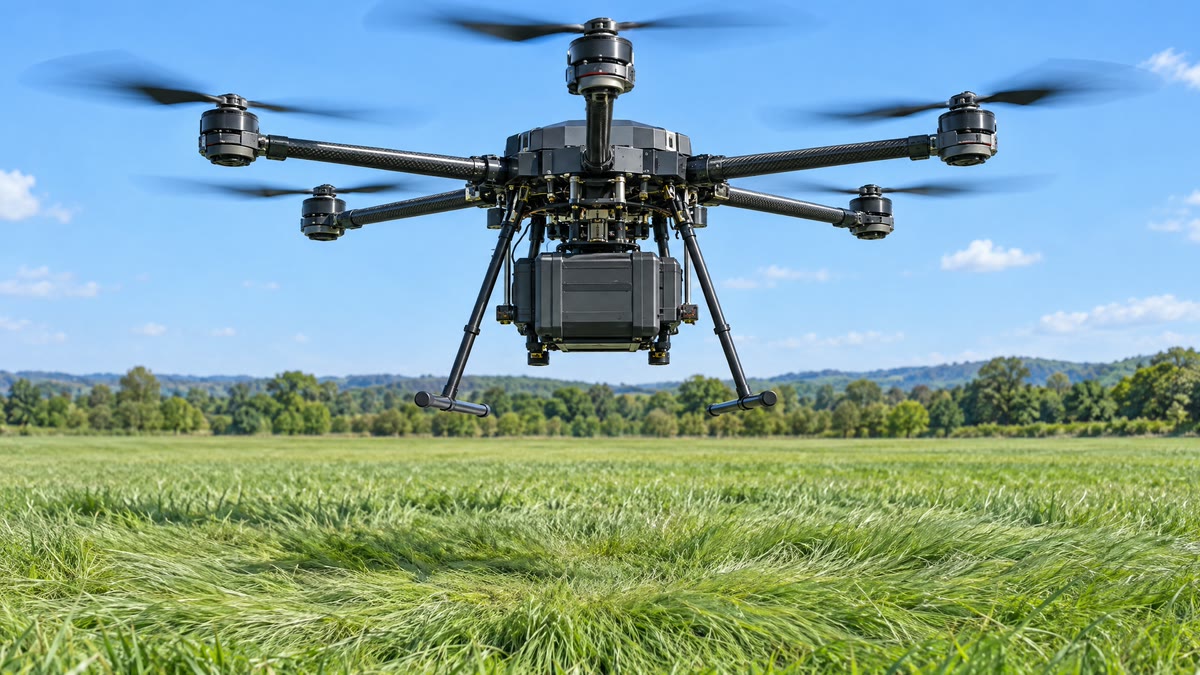
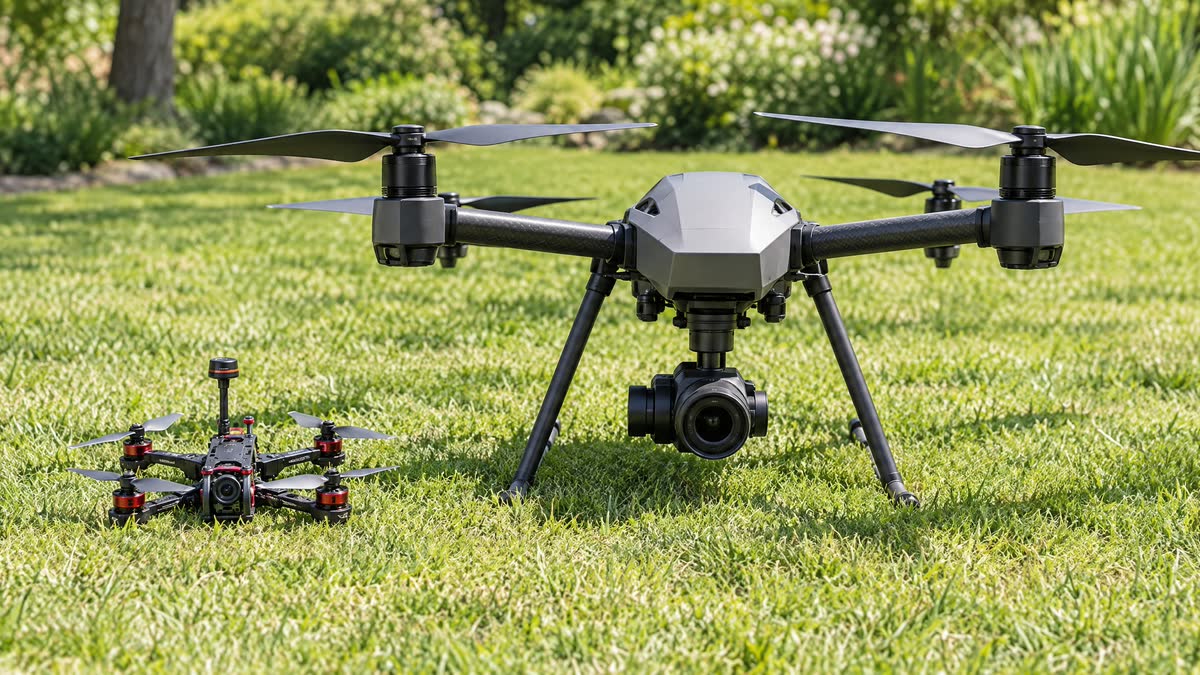
- 1
Una lezione entra nella pausa pranzo
Un'idea alla volta, in slide brevi. Una lezione intera dura circa quindici minuti.
- 2
Esercizi con correzione immediata
Le domande sono dentro la lezione. Rispondi e vedi subito se hai capito.
- 3
Una serie che ti fa tornare
Una lezione al giorno tiene viva la serie. Sessioni brevi e costanti ti portano fino in fondo.
Per chi costruisce ciò che vola.
Piloti di droni curiosi di cosa c'è dentro
Studenti di aerospaziale che puntano ai velivoli senza pilota
Dove crescerai di più
Calibra i piloti automatici per multirotore e ad ala fissa
Tappa 4 · Flight Control & AutonomyIngegneri robotici che prendono il volo
Dove porta questo corso.
Il lavoro attorno a cui è costruito questo corso, e come ci si entra.
UAV Operations Specialist
Pianifica e pilota missioni con droni per mappatura, ispezione e consegna.
Tutte le carriere del futuroSul lavoro
- Pianificare una missione tenendo conto delle regole dello spazio aereo e del meteo
- Pilotare e ispezionare infrastrutture in sicurezza
- Elaborare le immagini in una mappa o in un report
Come ci si entra
La maggior parte dei paesi richiede un attestato di pilota remoto per i voli commerciali; il corso non lo sostituisce.

Sii il primo della lista.
Accesso anticipato per i singoli, pilota per i team. Dicci chi sta imparando.
enterprise@astratrainer.com