

Скоро
Cell & Molecular Biology
Объясняйте, что делает клетка — от молекул и выше.
Полный курс
- модулей
- 56
- тем
- 565
- минут на урок
- 15
9%
прогнозируемый рост занятости медицинских учёных в США с 2024 по 2034 год — намного быстрее среднего по всем профессиям.
U.S. Bureau of Labor Statistics, Occupational Outlook 2024–34
Что вы сможете делать.
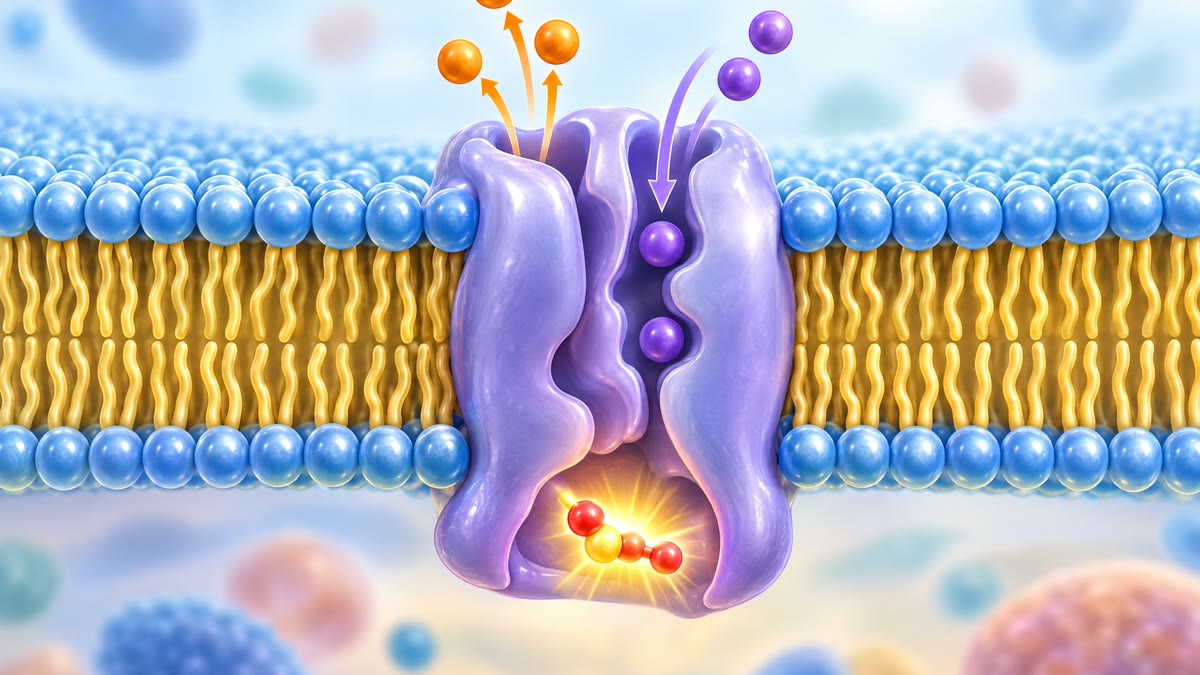
Отслеживайте ионы и молекулы через мембраны
Этап 1 · Cell Foundations
Проследите путь гена от ДНК до белка
Этап 2 · Genome & Gene Expression
Картируйте, как белки сортируются и отправляются
Этап 3 · Membrane Traffic & Organelles
Объясняйте, как клетки двигаются и держат форму
Этап 4 · Cytoskeleton & Tissues
Расшифровывайте сигналинг, деление и гибель клетки
Этап 5 · Signaling, Division & Fate
Проектируйте эксперименты с правильными контролями
Этап 6 · Methods & Case Studies
Шесть этапов.Один ровный подъём.
Начните с мембраны. Закончите экспериментом, который доказывает механизм.
в 6 этапах
≈ 10 на модуль
в уроках по 15 минут
до конца всего курса
- 1
Cell Foundations
Из чего построена любая клетка
8 модулей · 75 тем · ≈ 19 ч
- 2
Genome & Gene Expression
Геном: как его читают и поддерживают
10 модулей · 105 тем · ≈ 26 ч
- 3
Membrane Traffic & Organelles
Куда идут белки и как
10 модулей · 97 тем · ≈ 24 ч
- 4
Cytoskeleton & Tissues
Что даёт клетке форму и движение
8 модулей · 80 тем · ≈ 20 ч
- 5
Signaling, Division & Fate
Как клетки решают расти, делиться или умирать
15 модулей · 154 темы · ≈ 39 ч
- 6
Methods & Case Studies
Откуда мы знаем то, что знаем
5 модулей · 54 темы · ≈ 14 ч
Месяцы
Часы и месяцы — оценка: один 15-минутный урок на тему, каждый день.
Каждый модуль.Каждая тема.
Названия модулей и тем остаются на английском — на этом языке говорит отрасль.
Этап 1
Cell Foundations
Из чего построена любая клетка
8 модулей · 75 тем
1Cells as Living Systems9 тем
- The Cell as the Fundamental Unit of Life
- Cell Theory and Its Modern Meaning
- What Makes a Cell a Living System
- Boundaries, Information, Energy, and Organization
- Structure and Function at the Cellular Scale
- Cells as Open, Dynamic Systems
- Homeostasis and Continuous Renewal
- From Molecular Interactions to Cellular Behavior
- Connecting Molecular, Cellular, and Tissue-Level Explanations
2Cell Diversity and Shared Architecture9 тем
- Bacterial, Archaeal, and Eukaryotic Cell Plans
- Features Shared Across Cellular Life
- Prokaryotic and Eukaryotic Organization
- Animal, Plant, and Fungal Cells
- Unicellular and Multicellular Lifestyles
- Cell Size, Shape, and Surface-Area Constraints
- Specialized Cells and Their Structural Adaptations
- Conserved Mechanisms and Cell-Type Differences
- Why No Single Cell Represents Every Cell
3The Molecular Components of Cells10 тем
- Water as the Cellular Medium
- Ions and Small Molecules
- Proteins as Cellular Machines and Structural Elements
- Lipids as Boundaries, Stores, and Signals
- Carbohydrates in Cell Recognition and Organization
- DNA as a Stable Information Molecule
- RNA as Information, Structure, and Regulation
- Noncovalent Interactions and Molecular Recognition
- Molecular Complexes and Functional Assemblies
- Connecting Molecular Properties to Cellular Roles
4Physical Principles of Cell Organization9 тем
- Brownian Motion and Molecular Encounters
- Diffusion and Its Distance Limits
- Concentration Gradients and Directional Movement
- Osmosis and Water Balance
- Molecular Crowding in the Cytoplasm
- Binding, Dissociation, and Dynamic Exchange
- Self-Assembly and Energy-Dependent Organization
- Mechanical Forces at Small Scales
- Why Cellular Processes Depend on Space and Time
5Membrane Structure and Dynamics10 тем
- Lipid Bilayers and Selective Boundaries
- Membrane Lipid Diversity
- Membrane Proteins and Their Orientations
- Membrane Asymmetry
- Membrane Fluidity and Lateral Diffusion
- Cholesterol and Membrane Properties
- The Glycocalyx and Cell-Surface Identity
- Membrane Domains and Their Dynamic Nature
- Membrane Curvature and Deformation
- Membrane Remodeling During Cellular Activity
6Transport Across Cell Membranes11 тем
- Permeability and the Limits of Simple Diffusion
- Channels, Carriers, and Pumps
- Facilitated Diffusion
- Transporter Specificity and Saturation
- Primary Active Transport
- Secondary Active Transport
- Symport and Antiport
- Electrochemical Gradients and Transport Direction
- Aquaporins and Water Movement
- Transport Across Polarized Cell Layers
- Coordinating Transport with Cellular Needs
7Ion Gradients and Cellular Homeostasis9 тем
- Unequal Ion Distributions Across Membranes
- The Origins of Membrane Potential
- Selective Permeability and Electrical Balance
- The Sodium-Potassium Pump
- Calcium Storage and Basal Calcium Control
- Proton Gradients and Organelle Acidification
- Intracellular pH Regulation
- Cell Volume and Osmotic Stress
- How Cells Recover from Ionic Disturbances
8Organelles and Cellular Compartmentalization8 тем
- Why Cells Divide Functions into Compartments
- The Cytosol and the Organelle Network
- Membrane-Bound and Membraneless Compartments
- Organelle Identity and Molecular Composition
- The Topology of Intracellular Membranes
- Organelle Formation, Growth, and Inheritance
- Membrane Contact Sites and Interorganelle Exchange
- Coordination Between Cellular Compartments
Этап 2
Genome & Gene Expression
Геном: как его читают и поддерживают
10 модулей · 105 тем
9The Nucleus10 тем
- Nuclear Architecture and Cellular Function
- The Nuclear Envelope
- Nuclear Pore Complexes
- Selective Nuclear Import and Export
- Nuclear Localization and Export Signals
- The Ran System and Transport Directionality
- The Nuclear Lamina
- The Nucleolus and Ribosome Production
- Nuclear Bodies and Functional Organization
- Nuclear Reorganization During the Cell Cycle
10Chromatin and DNA Organization11 тем
- DNA Packaging in Eukaryotic Cells
- Histones and Nucleosomes
- Chromatin Accessibility
- Euchromatin and Heterochromatin
- Chromatin Remodeling Complexes
- Histone Modifications in Cellular Context
- DNA Methylation and Chromatin State
- Chromosome Territories and Nuclear Positioning
- Chromatin Loops and Regulatory Contacts
- Centromeres and Telomeres as Chromosomal Structures
- Dynamic Chromatin Organization Across Cell States
11DNA Replication as a Cellular Process10 тем
- Why DNA Must Be Copied Before Division
- Semiconservative Replication
- Replication Origins and Initiation
- Replication Fork Organization
- Leading-Strand and Lagging-Strand Synthesis
- Coordinating DNA Unwinding and DNA Synthesis
- Proofreading During Replication
- Replication Licensing and Once-Per-Cycle Control
- Replicating DNA Within Chromatin
- Completing Replication and Maintaining Chromosome Ends
12DNA Damage and Genome Maintenance10 тем
- Endogenous and Environmental Sources of DNA Damage
- DNA Lesions vs. Permanent Sequence Changes
- Recognizing Damage in Chromatin
- Repairing Small Base Lesions
- Repairing Bulky DNA Lesions
- Correcting Replication Mismatches
- Cellular Responses to Double-Strand Breaks
- Choosing Between Major Break-Repair Pathways
- Replication Stress and Stalled Forks
- Coordinating Repair with Cell-Cycle Checkpoints
13Transcription and RNA Production11 тем
- Transcription as Selective Information Use
- DNA Templates and RNA Synthesis
- Cellular Roles of Different RNA Classes
- Eukaryotic RNA Polymerases
- Promoters and Transcription Initiation
- General Transcription Factors
- Regulatory Transcription Factors and Cofactors
- Enhancers and Promoter Communication
- Transcription Elongation and Pausing
- Transcription Termination
- Transcriptional Bursts and Cell-to-Cell Variation
14RNA Processing and Maturation10 тем
- Primary Transcripts and Mature RNAs
- The 5' Cap and Its Cellular Functions
- Introns, Exons, and Splicing
- The Spliceosome as a Dynamic Molecular Machine
- Alternative Splicing and Protein Diversity
- 3' End Processing and Polyadenylation
- Alternative Polyadenylation
- Ribosomal RNA Processing
- Transfer RNA Processing and Maturation
- Coupling RNA Processing to Transcription and Export
15RNA Localization, Lifetime, and Regulation11 тем
- RNA-Binding Proteins and Ribonucleoprotein Complexes
- Messenger RNA Export and Quality Control
- Localizing RNA Within the Cytoplasm
- Local Translation and Spatial Control
- Messenger RNA Stability and Turnover
- Deadenylation, Decapping, and RNA Decay
- Nonsense-Mediated Decay
- MicroRNAs and Post-Transcriptional Regulation
- Small Interfering RNAs and RNA Silencing
- Long Noncoding RNAs in Cellular Organization
- Balancing RNA Storage, Translation, and Degradation
16Translation and Protein Synthesis11 тем
- From Messenger RNA to Polypeptide
- The Genetic Code as a Translation Rulebook
- Ribosome Structure and Cellular Distribution
- Transfer RNAs and Amino Acid Delivery
- Translation Initiation
- Elongation and Ribosome Movement
- Translation Termination and Ribosome Recycling
- Polysomes and Coordinated Protein Production
- Translational Control in Different Cell States
- Ribosome Stalling and Quality Control
- Matching Protein Synthesis to Cellular Demand
17Protein Folding, Modification, and Quality Control11 тем
- Folding in the Cellular Environment
- Molecular Chaperones and Folding Assistance
- Protein Assembly into Functional Complexes
- Protein Cleavage and Maturation
- Post-Translational Modifications as Cellular Controls
- Protein Damage, Misfolding, and Aggregation
- The Ubiquitin System and Protein Fate
- The Proteasome and Selective Protein Degradation
- Protein Turnover and Proteome Renewal
- Compartment-Specific Quality Control
- Proteostasis as a Coordinated Cellular Network
18Protein Targeting and Organelle Import10 тем
- How Proteins Reach the Correct Cellular Destination
- Targeting Signals and Recognition Factors
- Cotranslational and Post-Translational Targeting
- Signal Recognition Particles
- Protein Translocation Across Membranes
- Membrane Protein Insertion and Topology
- Mitochondrial Protein Import
- Chloroplast Protein Import
- Peroxisomal Protein Import
- Protein Retention, Retrieval, and Mistargeting
Этап 3
Membrane Traffic & Organelles
Куда идут белки и как
10 модулей · 97 тем
19The Endoplasmic Reticulum10 тем
- Rough and Smooth ER Organization
- The ER as a Continuous Membrane Network
- Entry into the Secretory Pathway
- Protein Folding in the ER Lumen
- Disulfide Bond Formation in Cellular Context
- Early Protein Glycosylation
- ER Quality Control and Retention
- ER-Associated Protein Degradation
- Lipid Production and Membrane Expansion
- Calcium Storage and ER Contact Sites
20The Golgi Apparatus9 тем
- Golgi Stacks and Cis-Trans Organization
- Receiving Cargo from the ER
- Golgi Compartments and Cargo Progression
- Protein Glycosylation and Maturation
- Lipid Modification and Sorting
- Cargo Selection at the Trans-Golgi Network
- Delivery to the Cell Surface
- Delivery to Endosomes and Lysosomes
- Golgi Maintenance and Reorganization
21Vesicle Formation, Targeting, and Fusion10 тем
- Vesicular Transport and Membrane Topology
- Cargo Recognition and Packaging
- Coat Proteins and Vesicle Budding
- COPII Transport from the ER
- COPI Retrieval and Intra-Golgi Traffic
- Clathrin-Coated Transport Carriers
- Membrane Scission and Coat Removal
- Rab Proteins and Compartment Recognition
- Tethering Factors and SNARE-Mediated Fusion
- Maintaining Directionality and Compartment Identity
22Endocytosis and Endosomal Sorting11 тем
- Why Cells Internalize Membranes and Extracellular Material
- Receptor-Mediated Endocytosis
- Clathrin-Independent Uptake
- Macropinocytosis
- Phagocytosis as a Cellular Uptake Process
- Early Endosomes and Sorting Decisions
- Receptor Recycling and Surface Availability
- Endosome Maturation
- Multivesicular Bodies and Cargo Selection
- Delivery to Lysosomes
- Linking Endocytosis to Signaling and Membrane Balance
23Secretion and Exocytosis9 тем
- Constitutive and Regulated Secretion
- Secretory Vesicles and Granule Maturation
- Vesicle Transport to the Cell Surface
- Docking, Priming, and Fusion Readiness
- Calcium-Triggered Exocytosis
- Fusion Pores and Cargo Release
- Polarized Secretion
- Membrane Retrieval After Exocytosis
- Extracellular Vesicles and the Limits of Their Interpretation
24Lysosomes and Autophagy11 тем
- Lysosome Structure and Acidic Compartments
- Lysosomal Enzymes and Cargo Breakdown
- Lysosomal Membrane Proteins and Metabolite Export
- Endocytic and Autophagic Routes to Degradation
- Macroautophagy and Autophagosome Formation
- Autophagosome Maturation and Lysosomal Fusion
- Selective Autophagy and Cargo Recognition
- Mitophagy and Organelle Quality Control
- Microautophagy and Chaperone-Mediated Autophagy
- Autophagic Flux vs. Autophagosome Accumulation
- Lysosomes as Recycling and Nutrient-Sensing Centers
25Mitochondria in Cellular Life11 тем
- Mitochondrial Compartments and Cristae
- Energy Conversion Across the Inner Membrane
- The Proton Gradient and ATP Production
- Mitochondrial DNA and Local Protein Production
- Coordination with Nuclear-Encoded Proteins
- Mitochondrial Fusion and Fission
- Mitochondrial Positioning and Cellular Demand
- Calcium Exchange and Organelle Communication
- Reactive Oxygen Species as Signals and Stressors
- Mitochondrial Quality Control
- Mitochondria in Cell Survival and Cell Death
26Peroxisomes and Lipid Droplets8 тем
- Peroxisome Structure and Cellular Distribution
- Peroxisomal Reactions in Cellular Context
- Hydrogen Peroxide Handling and Compartmentalization
- Peroxisome Formation, Growth, and Division
- Lipid Droplets as Dynamic Organelles
- The Lipid-Droplet Monolayer and Surface Proteins
- Lipid Storage, Mobilization, and Cellular Protection
- Communication Between Peroxisomes, Lipid Droplets, and Other Organelles
27Plant-Specific Cell Organization9 тем
- The Cell Wall as a Dynamic Cellular Structure
- Cellulose Orientation and Growth Direction
- Vacuoles and Turgor Pressure
- Vacuolar Storage and Degradation
- Chloroplast Compartments and Thylakoid Membranes
- Light-Driven Energy Conversion at the Organelle Level
- Plastid Diversity and Cellular Specialization
- Plasmodesmata and Intercellular Continuity
- Coordinating the Cell Wall, Vacuole, and Cytoskeleton
28Biomolecular Condensates and Membraneless Organization9 тем
- Organizing Cellular Reactions Without Membranes
- Multivalent Interactions and Dynamic Assemblies
- Phase Separation as One Organizational Mechanism
- Liquid-Like, Gel-Like, and More Stable States
- Molecular Exchange Between Condensates and Surroundings
- The Nucleolus as a Functional Compartment
- Stress Granules and Processing Bodies
- Regulation by RNA, Protein Modification, and Cellular Conditions
- Distinguishing Condensates, Aggregates, and Other Assemblies
Этап 4
Cytoskeleton & Tissues
Что даёт клетке форму и движение
8 модулей · 80 тем
29Actin and the Cell Cortex10 тем
- Actin Monomers and Filament Polarity
- Actin Nucleation and Filament Growth
- Branched and Unbranched Actin Networks
- Actin Turnover and Treadmilling
- Actin-Binding Proteins and Network Organization
- The Cell Cortex and Surface Mechanics
- Lamellipodia and Filopodia
- Stress Fibers and Contractile Bundles
- Actin in Endocytosis and Cell Shape Changes
- Spatial Control of Actin Assembly
30Microtubules and Cellular Organization10 тем
- Tubulin and Microtubule Structure
- Microtubule Polarity
- Dynamic Instability
- Microtubule Nucleation
- Centrosomes and Other Organizing Centers
- Microtubule-Associated Proteins
- Stabilization, Severing, and Network Remodeling
- Microtubules as Intracellular Tracks
- Microtubules in Organelle Positioning
- Reorganizing Microtubules for Cell Division
31Intermediate Filaments and Structural Integration9 тем
- Intermediate Filament Structure and Assembly
- Keratins and Epithelial Resilience
- Vimentin and Mesenchymal Cell Organization
- Neurofilaments and Long Cellular Processes
- Nuclear Lamins and Nuclear Integrity
- Linking Intermediate Filaments to Cell Junctions
- Cytolinkers and Connections Between Cytoskeletal Networks
- Mechanical Resilience vs. Dynamic Remodeling
- Coordinating the Cytoskeleton with the Nuclear Envelope
32Molecular Motors, Cilia, and Intracellular Movement10 тем
- Converting Molecular Energy into Directed Movement
- Myosin Motors on Actin Filaments
- Kinesin Motors on Microtubules
- Dynein and Its Regulatory Partners
- Cargo Recognition and Motor Recruitment
- Coordinating Opposing Motors
- Long-Distance Transport in Specialized Cells
- Cilia, Flagella, and Axonemal Organization
- Intraflagellar Transport and Cilium Maintenance
- Primary Cilia as Cellular Signaling Compartments
33The Extracellular Matrix and Cell-Matrix Adhesion11 тем
- Why Cells Build an Extracellular Matrix
- Collagens and Tissue-Level Organization
- Elastin and Elastic Networks
- Proteoglycans and Hydrated Matrices
- Fibronectin, Laminins, and Adhesive Organization
- Basement Membranes
- Integrins and Matrix Recognition
- Focal Adhesions and Cytoskeletal Coupling
- Bidirectional Signaling Across Adhesions
- Matrix Deposition, Remodeling, and Turnover
- Matrix Composition as a Regulator of Cell Behavior
34Cell-Cell Junctions and Tissue Architecture10 тем
- Cell Recognition and Selective Adhesion
- Cadherins and Calcium-Dependent Adhesion
- Adherens Junctions and Actin Coupling
- Desmosomes and Intermediate Filament Coupling
- Tight Junctions and Selective Barriers
- Gap Junctions and Direct Cellular Communication
- Junction Assembly, Maintenance, and Turnover
- Coordinating Neighboring Cells in an Epithelium
- Barrier Integrity and Junction Remodeling
- How Junctional Defects Disrupt Tissue Organization
35Cell Polarity and Migration11 тем
- What Cellular Polarity Means
- Apical-Basal Polarity
- Front-Rear Polarity
- Polarity Complexes and Spatial Cues
- Polarized Membrane Traffic
- Leading-Edge Protrusion
- Adhesion Formation and Turnover During Movement
- Actomyosin Contraction and Rear Retraction
- Chemotaxis and Directional Sensing
- Individual and Collective Cell Migration
- Migration Through Three-Dimensional Environments
36Mechanobiology and Cell Shape9 тем
- Cells as Force-Generating and Force-Sensing Systems
- Membrane Tension and Cortical Tension
- Cytoskeletal Prestress and Shape Stability
- Matrix Stiffness and Cellular Responses
- Mechanosensitive Channels
- Force Transmission Through Adhesions
- Mechanical Coupling to the Nucleus
- Mechanotransduction and Changes in Gene Expression
- Feedback Between Cell Shape, Force, and Function
Этап 5
Signaling, Division & Fate
Как клетки решают расти, делиться или умирать
15 модулей · 154 темы
37Principles of Cell Signaling11 тем
- Signals, Receptors, and Cellular Responses
- Endocrine, Paracrine, Autocrine, and Contact-Dependent Signaling
- Ligand Binding and Receptor Activation
- Signal Relay and Amplification
- Molecular Switches and Reversible Modification
- Specificity in Shared Signaling Networks
- Feedback and Feedforward Regulation
- Desensitization and Adaptation
- Spatial and Temporal Encoding of Signals
- Crosstalk Between Signaling Pathways
- Why the Same Signal Produces Different Cellular Responses
38Major Cell-Surface Receptor Pathways12 тем
- G-Protein-Coupled Receptors
- Heterotrimeric G Proteins and Signal Relay
- Receptor Tyrosine Kinases
- Ras-MAPK Signaling
- PI3K-Akt Signaling
- Cytokine Receptors and JAK-STAT Signaling
- TGF-Beta Receptors and SMAD Signaling
- Notch and Contact-Dependent Signaling
- Wnt Signaling and Cellular Organization
- Hedgehog Signaling and Cellular Context
- Adhesion Receptors as Signaling Platforms
- Receptor Trafficking as a Regulator of Pathway Activity
39Intracellular Messengers and Signal Integration11 тем
- Cyclic AMP and Protein Kinase A
- Phosphoinositides as Membrane Signals
- IP3, Diacylglycerol, and Calcium Release
- Calcium Pulses, Waves, and Oscillations
- Calmodulin and Calcium-Dependent Responses
- Small GTPases as Spatial Switches
- Kinases, Phosphatases, and Signaling Balance
- Scaffolds and Local Signaling Complexes
- Intracellular Receptors and Lipid-Soluble Signals
- Signal-Dependent Nuclear Entry and Exit
- Integrating Conflicting and Simultaneous Signals
40Gene Expression and Cell Identity10 тем
- Shared DNA and Different Cellular Programs
- Combinations of Transcription Factors
- Cell-Type-Specific Enhancer Activity
- Chromatin Accessibility and Regulatory Competence
- Feedback Loops That Stabilize Cell States
- Coordination of Transcriptional and Post-Transcriptional Control
- Environmental Signals and Changes in Gene Expression
- Cellular Memory and Epigenetic Maintenance
- Reversible Responses vs. Stable Identity Changes
- Variation Between Cells of the Same Type
41Cell Growth and Metabolic Coordination9 тем
- Cell Growth vs. Cell Division
- Building Cellular Biomass
- Matching Energy Supply to Cellular Work
- Nutrient Availability and Transporter Regulation
- mTOR Signaling and Growth Decisions
- AMPK and Cellular Energy Stress
- Coordinating Protein Synthesis and Ribosome Production
- Balancing Growth, Recycling, and Maintenance
- Cell Size Control and Resource Allocation
42Cell-Cycle Organization and Control11 тем
- G1, S, G2, and M Phases
- Cell-Cycle Entry and Commitment
- Cyclins and Cyclin-Dependent Kinases
- CDK Inhibitors and Regulatory Phosphorylation
- The Restriction Point and Growth-Factor Dependence
- DNA-Damage Checkpoints
- Replication Completion and the G2-M Transition
- The Spindle Assembly Checkpoint
- Regulated Protein Degradation and Irreversible Transitions
- Quiescence and Cell-Cycle Reentry
- Coordinating Cell Growth with Cell-Cycle Progression
43Mitosis and Chromosome Segregation10 тем
- Preparing Chromosomes for Segregation
- Sister Chromatid Cohesion
- Condensins and Mitotic Chromosome Organization
- Centrosome Separation and Spindle Assembly
- Nuclear Envelope Breakdown
- Kinetochores and Microtubule Attachment
- Chromosome Congression and Biorientation
- Detecting and Correcting Attachment Errors
- Anaphase and Chromosome Movement
- Mitotic Exit and Nuclear Reassembly
44Cytokinesis and Division Asymmetry9 тем
- Coordinating Chromosome Separation with Cell Cleavage
- Positioning the Division Plane
- The Actomyosin Contractile Ring
- Cleavage Furrow Ingression
- The Midbody and Abscission
- Membrane Delivery During Cytokinesis
- Cell Plate Formation in Plant Cells
- Symmetric and Asymmetric Cell Division
- Distributing Organelles and Cell-Fate Determinants
45Meiosis and Reproductive Cell Biology9 тем
- Why Meiosis Requires a Specialized Division Program
- One DNA Replication Followed by Two Divisions
- Homolog Pairing and Synapsis
- The Synaptonemal Complex
- Recombination as a Physical Link Between Homologs
- Homolog Segregation in Meiosis I
- Sister Chromatid Segregation in Meiosis II
- Cellular Origins of Meiotic Segregation Errors
- Gamete Specialization and Fertilization at the Cellular Level
46Differentiation and Stem Cell States11 тем
- Differentiation as Coordinated Cellular Reorganization
- Potency, Commitment, and Specialization
- Stem Cells and Progenitor Cells
- Self-Renewal vs. Differentiation
- Intrinsic Cell-Fate Determinants
- Stem Cell Niches and External Signals
- Asymmetric Outcomes and Population-Level Balance
- Remodeling Organelles During Differentiation
- Cellular Plasticity and State Transitions
- Reprogramming as a Biological Concept
- Identifying Cell States Without Overinterpreting Markers
47The Cellular Basis of Tissue Formation and Renewal10 тем
- From Individual Cells to Organized Tissues
- Cell Sorting and Differential Adhesion
- Morphogens and Position-Dependent Cell Responses
- Coordinating Proliferation, Migration, and Differentiation
- Epithelial Folding and Shape Change
- Lumen Formation and Tubular Organization
- Epithelial-Mesenchymal Plasticity
- Cell Extrusion and Tissue Cell-Number Control
- Cellular Coordination During Wound Closure
- Balancing Renewal with Tissue Architecture
48Cellular Stress Responses11 тем
- Stress Sensing and Adaptive Responses
- Heat Shock and Proteotoxic Stress
- The Unfolded Protein Response
- The Integrated Stress Response
- Oxidative Stress and Cellular Defense
- Hypoxia and Oxygen-Sensitive Cell Programs
- Nutrient Starvation and Resource Conservation
- Osmotic Stress and Volume Adaptation
- Organelle-Specific Stress Communication
- Transient Adaptation vs. Persistent Dysfunction
- Recovery, Survival, and Commitment to Cell Death
49Cell Death and Cellular Clearance11 тем
- Accidental Cell Death and Regulated Cell Death
- Apoptotic Cell Morphology
- Intrinsic Apoptosis and Mitochondrial Permeabilization
- Extrinsic Apoptosis and Death Receptors
- Caspases and the Execution Phase
- Survival Signals and Apoptotic Thresholds
- Necroptosis as a Regulated Death Pathway
- Pyroptosis at the Cellular Mechanism Level
- Ferroptosis and Lipid-Damage-Dependent Cell Death
- Recognition and Clearance of Dying Cells
- Distinguishing Cell-Death Mechanisms from Experimental Readouts
50Cellular Senescence and Aging9 тем
- Senescence vs. Quiescence and Differentiation
- Replicative Senescence
- Stress-Induced Senescence
- Persistent DNA-Damage Signaling
- Senescence-Associated Secretory Changes
- Proteostasis and Organelle Function During Aging
- Mitochondrial Changes in Aging Cells
- Beneficial and Harmful Effects of Senescent Cells
- Limits of Cellular Aging Models and Biomarkers
51When Cellular Systems Fail10 тем
- Connecting Molecular Defects to Cellular Phenotypes
- Protein Misfolding and Loss of Cellular Function
- Trafficking Defects and Mislocalized Proteins
- Lysosomal Storage and Failed Cellular Clearance
- Mitochondrial Dysfunction and Energy-Demanding Cells
- Ciliary Defects and Altered Cell Signaling
- Junctional and Cytoskeletal Defects
- Loss of Growth Control in Cancer Cells
- Chromosome Instability and Abnormal Cell States
- Distinguishing Causes, Consequences, and Compensatory Responses
Этап 6
Methods & Case Studies
Откуда мы знаем то, что знаем
5 модулей · 54 темы
52Model Systems for Studying Cells9 тем
- Why Cell Biology Uses Model Systems
- Conserved Mechanisms and Limits of Generalization
- Primary Cells and Established Cell Lines
- Stem-Cell-Derived Cellular Models
- Two-Dimensional and Three-Dimensional Cell Organization
- Spheroids, Organoids, and Tissue Explants
- Living Organisms as Contexts for Cellular Behavior
- Cell Identity, Contamination, and Model Quality
- Choosing a Model That Matches the Biological Question
53Microscopy and Cellular Imaging12 тем
- Magnification, Resolution, and Contrast
- Bright-Field and Phase-Contrast Microscopy
- Fluorescence Microscopy
- Confocal Imaging and Optical Sectioning
- Live-Cell Imaging and Time-Lapse Observation
- Super-Resolution Imaging: Capabilities and Limits
- Electron Microscopy and Cellular Ultrastructure
- Labels, Markers, and Localization Claims
- Photobleaching and Phototoxicity
- Imaging Molecular Mobility and Turnover
- Colocalization vs. Physical Interaction
- Quantifying Images Without Losing Biological Context
54Measuring Molecules and Cellular Processes12 тем
- Cell Fractionation and Organelle Enrichment
- Antibody-Based Detection and Specificity Controls
- Immunoblotting as Evidence of Protein Abundance
- RNA Detection and In Situ Hybridization
- Flow Cytometry and Cellular Heterogeneity
- Pulse-Chase Approaches and Molecular Turnover
- Protein Interaction Measurements and Their Limits
- Reporters of Localization, Signaling, and Cell State
- Measuring Proliferation and Cell-Cycle Distribution
- Measuring Cell Death, Viability, and Recovery
- Measuring Transport, Secretion, and Autophagic Flux
- Distinguishing Molecular Abundance from Molecular Activity
55Experimental Reasoning in Cell Biology10 тем
- Turning a Biological Question into a Testable Hypothesis
- Observation, Perturbation, and Causal Inference
- Positive, Negative, and Procedural Controls
- Biological and Technical Replicates
- Time Courses, Dose Responses, and Context Dependence
- Necessity, Sufficiency, and Rescue Evidence
- Off-Target Effects and Alternative Explanations
- Cell Heterogeneity and Misleading Population Averages
- Orthogonal Measurements and Reproducibility
- Reading Figures and Building Mechanistic Conclusions
56Integrated Cellular Mechanisms and Case Studies11 тем
- Following a Secreted Protein from Transcription to Release
- Following a Surface Receptor Through Activation and Recycling
- How a Cell Responds to Nutrient Withdrawal
- How a Cell Detects and Repairs DNA Damage
- How a Dividing Cell Coordinates Chromosomes, Organelles, and Shape
- How a Migrating Cell Establishes Direction and Generates Force
- How an Epithelial Layer Maintains a Selective Barrier
- How a Misfolded Protein Activates Quality-Control Systems
- How a Stem Cell Changes Identity and Cellular Architecture
- How a Cell Chooses Between Recovery, Senescence, and Death
- Explaining a Cellular Phenotype Through Multiple Interacting Systems
Пятнадцать минут.Каждый день.
- 1
Урок влезает в обеденный перерыв
По одной мысли за раз, на коротких слайдах. Весь урок — около пятнадцати минут.
- 2
Практика с мгновенной обратной связью
Вопросы — внутри урока. Отвечаете и сразу видите, получилось ли.
- 3
Стрик, который возвращает вас снова
Урок в день держит стрик. Короткие регулярные занятия доводят до конца курса.
- 1
Урок влезает в обеденный перерыв
По одной мысли за раз, на коротких слайдах. Весь урок — около пятнадцати минут.
- 2
Практика с мгновенной обратной связью
Вопросы — внутри урока. Отвечаете и сразу видите, получилось ли.
- 3
Стрик, который возвращает вас снова
Урок в день держит стрик. Короткие регулярные занятия доводят до конца курса.
Для будущих учёных и клиницистов.
Студенты-биологи после вводного курса
Будущие медики, которым нужен механизм
Где вы вырастете сильнее всего
Расшифровывайте сигналинг, деление и гибель клетки
Этап 5 · Signaling, Division & FateЛаборанты, которые спрашивают, почему работает протокол
Где вы вырастете сильнее всего
Проектируйте эксперименты с правильными контролями
Этап 6 · Methods & Case Studies
Куда ведёт этот курс.
Работа, вокруг которой построен курс, и как в неё попадают.
Research Associate
Ставит эксперименты в исследовательской или биотех-лаборатории и держит данные в порядке.
Все карьеры будущегоВ работе
- Работать с клеточными культурами, ПЦР и другими базовыми лабораторными методами
- Записывать каждый шаг, чтобы эксперимент можно было повторить
- Анализировать результаты и представлять их команде
Как туда попадают
Для лабораторных ролей стандарт — диплом по биологии или смежной науке.

Будьте первыми в очереди.
Ранний доступ — для частных лиц, пилот — для команд. Расскажите, кто у вас учится.
enterprise@astratrainer.com