The jasper meaning in most crystal books is grounding, endurance and protection. The protection part has an unusually specific history. For well over a thousand years, Egyptian mummies were wrapped with a small red knot at the throat, and the text that prescribed it named the material: red jasper. Few stones have a meaning written down so early, or so exactly.

Affiliate link: if you buy through it, Astra Trainer may earn a commission. The price is the same for you.
Photographs courtesy of Aven Atelier.
What jasper actually is
Jasper is chalcedony, the fine-grained form of quartz, with so much other material mixed into it that light cannot pass through. That is the working definition gemmologists use: agate is chalcedony you can see a little way into, and jasper is chalcedony you cannot. Some jasper contains a fifth or more of foreign material, mostly iron oxides and clay.
Those impurities are the whole story of its colour. Hematite gives red. Goethite and other iron hydroxides give yellow and brown. Green usually comes from chlorite or similar minerals. Jasper is almost never one clean colour, because the impurities settle unevenly, in swirls, bands, spots and patches.
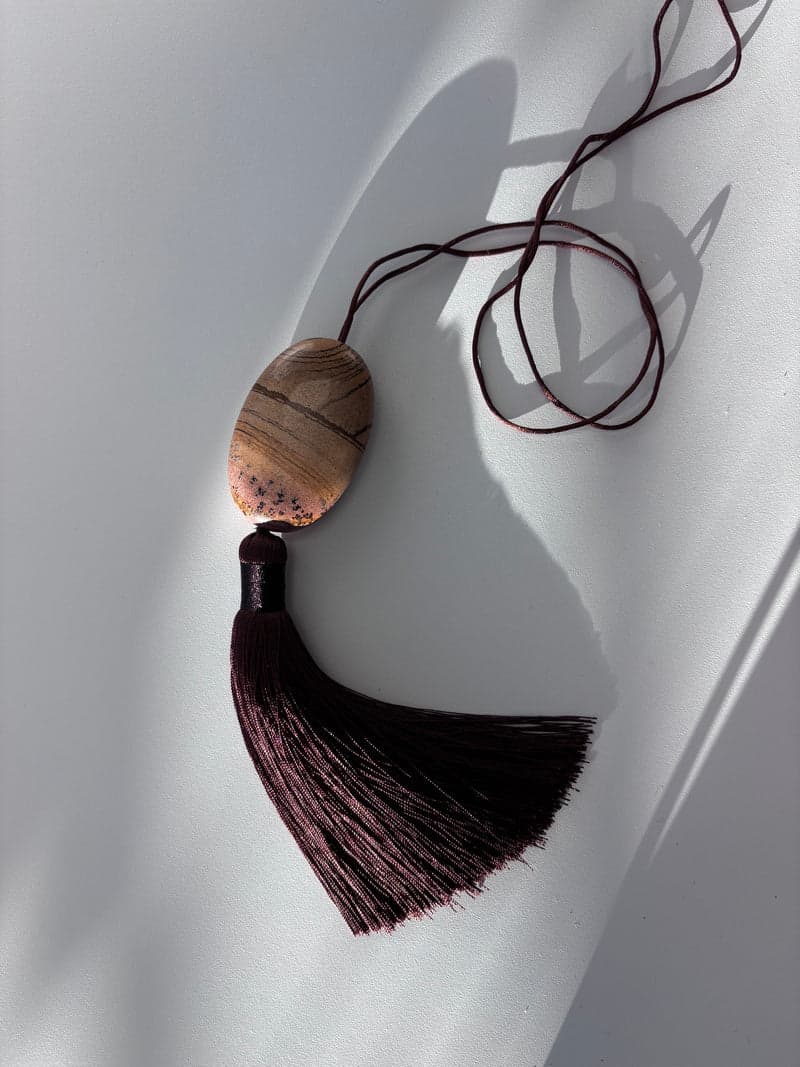
Physically it behaves like the rest of the chalcedony family. It sits at roughly 6.5 to 7 on the Mohs scale, takes a good polish, and breaks with a smooth, shell-shaped fracture. Because it is opaque, all of its interest is on the surface, which is why jasper is cut into flat ovals, beads and carvings rather than faceted.
An old name that meant something else
The word is one of the oldest stone names in continuous use. English jasper comes through Old French and Latin from the Greek iaspis, and the Greek was borrowed from a Semitic language: the Hebrew is yashpeh, the Akkadian yashupu. The name has been traced through Arabic, Persian, Hebrew, Assyrian, Greek and Latin.
What it named has changed. The ancient iaspis was a stone of considerable translucency, closer to what we would now call coloured chalcedony, and the most prized kind was green. The modern restriction of jasper to opaque material came much later, with mineralogy. So when an old text praises jasper, it is often describing something a modern dealer would sell under a different name.
This is why the jasper in Revelation, where the walls of the New Jerusalem are built of it and the city shines like a jasper clear as crystal, is so hard to identify. A clear jasper is a contradiction in modern terms. In ancient terms it was not.
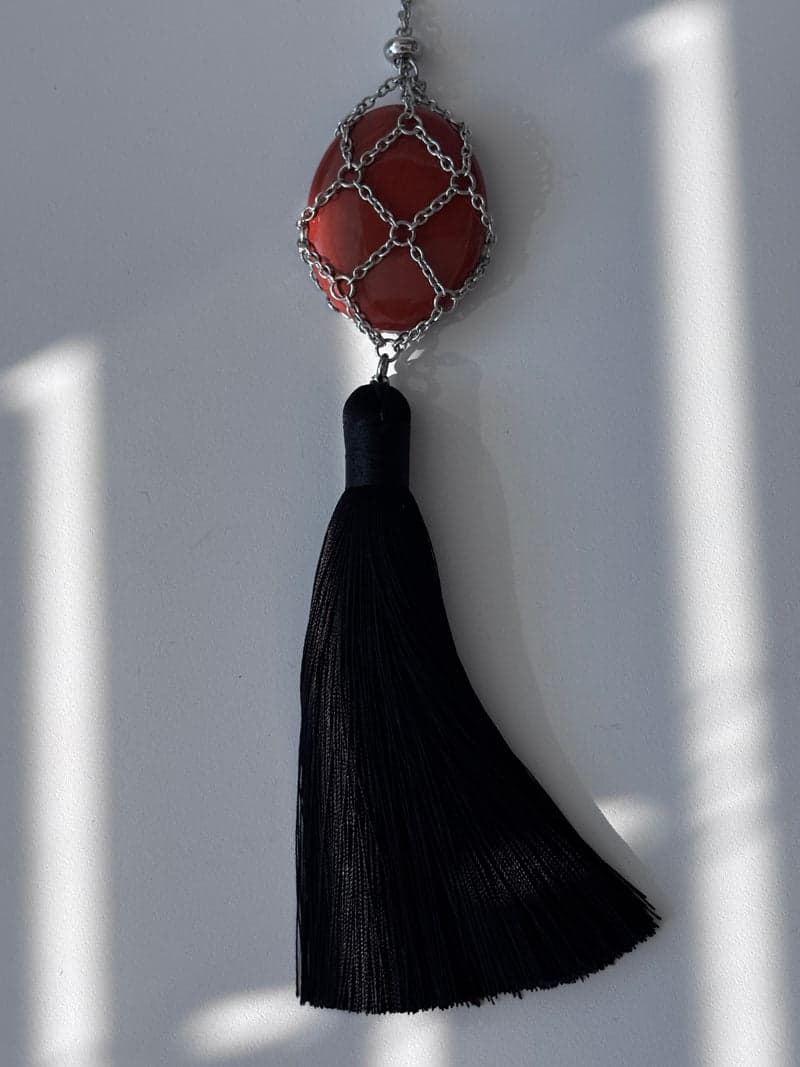
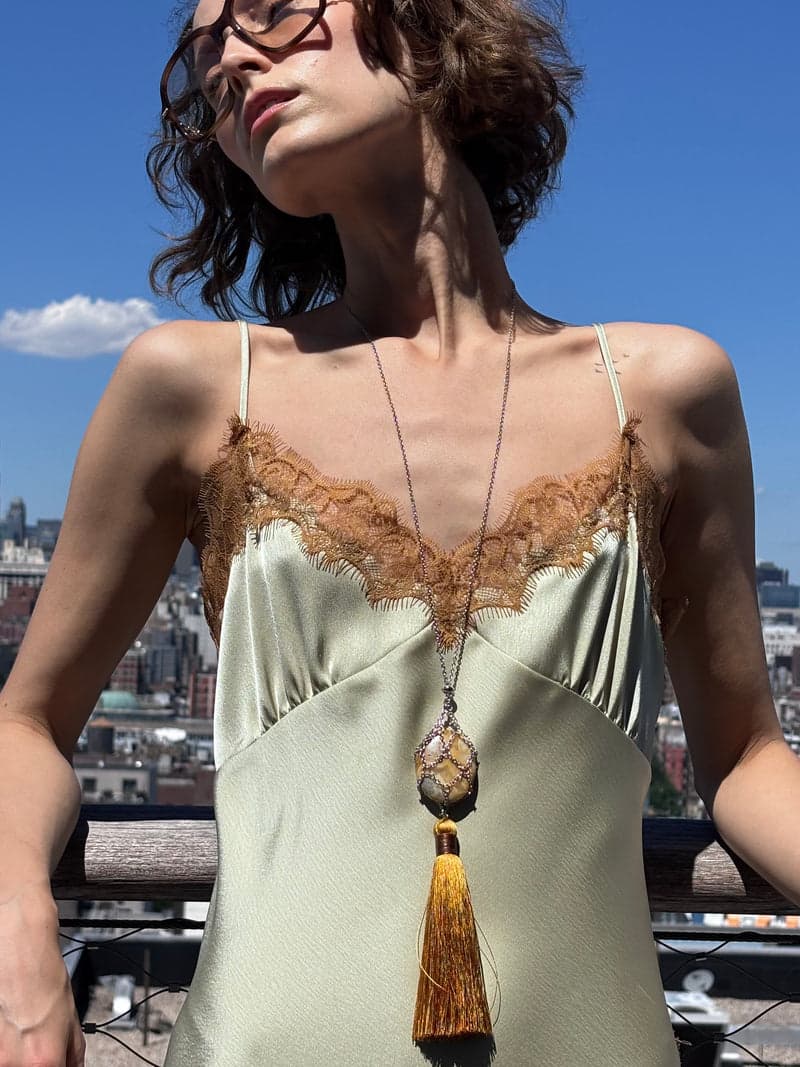
Affiliate link: if you buy through it, Astra Trainer may earn a commission. The price is the same for you.
Photographs courtesy of Aven Atelier.
Check yourselfBefore you read on: the Book of the Dead names red jasper for the knot of Isis placed at the throat of the dead. Would you expect every surviving knot to be red jasper, and if some are not, what would that tell you about what mattered?Show the answerHide the answer
They are not all jasper. Surviving knots are red jasper as prescribed, but also carnelian and red glass, and Budge's widely read translation even titles the chapter a buckle of carnelian. What the Egyptians cared about was the red, and the idea of blood and life it carried. Which red stone supplied it mattered less to the people using the amulet than it does to the people cataloguing it now.
Red jasper and the knot of Isis
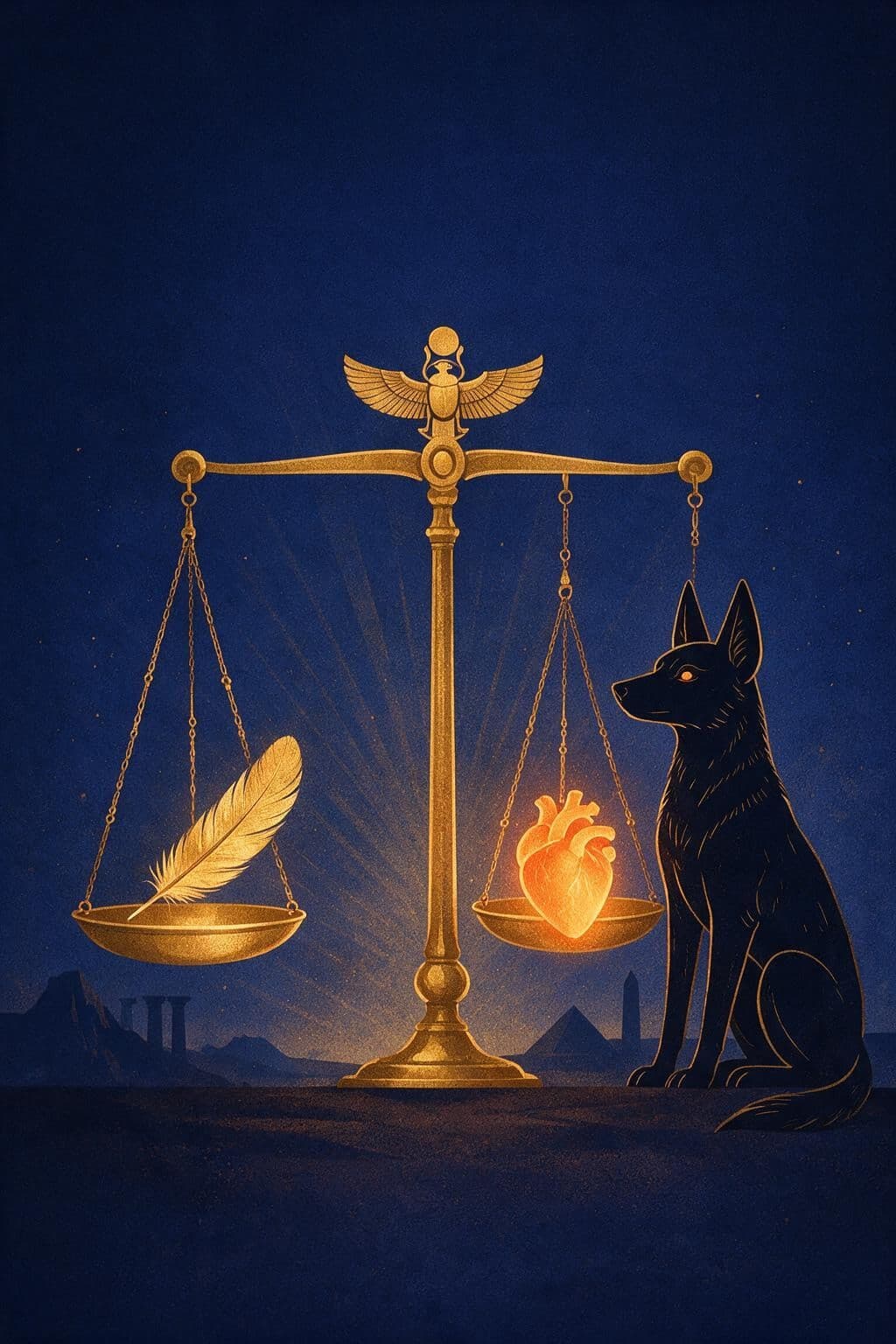
The clearest early meaning attached to jasper comes from Egypt. Chapter 156 of the Book of the Dead is to be spoken over a tyet, a knot-shaped amulet associated with Isis, made of red jasper and placed at the neck of the dead. The text promises that the power of Isis will protect the body. The Egyptians called the red stone khenmet.
From the Eighteenth Dynasty to the end of pharaonic Egypt, mummies were almost always given one. Surviving examples are made of red jasper, as prescribed, but also of carnelian and red glass. Even the translation is unsettled: E. A. Wallis Budge, whose version is still widely read, titles the chapter a buckle of carnelian and gives red jasper as the alternative in the rubric.
That detail is worth holding onto. The Egyptians cared about red, and about the idea of blood and life it carried. Which exact red stone supplied it mattered less to the people using the amulet than it does to the people cataloguing it now.
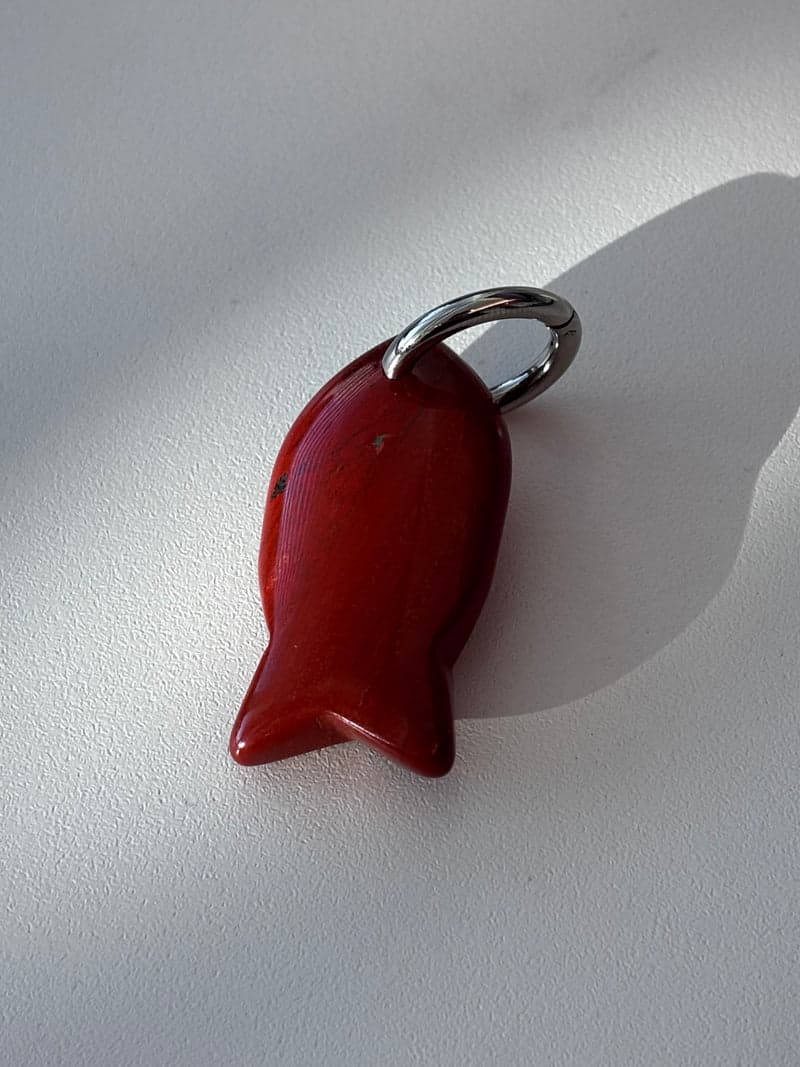
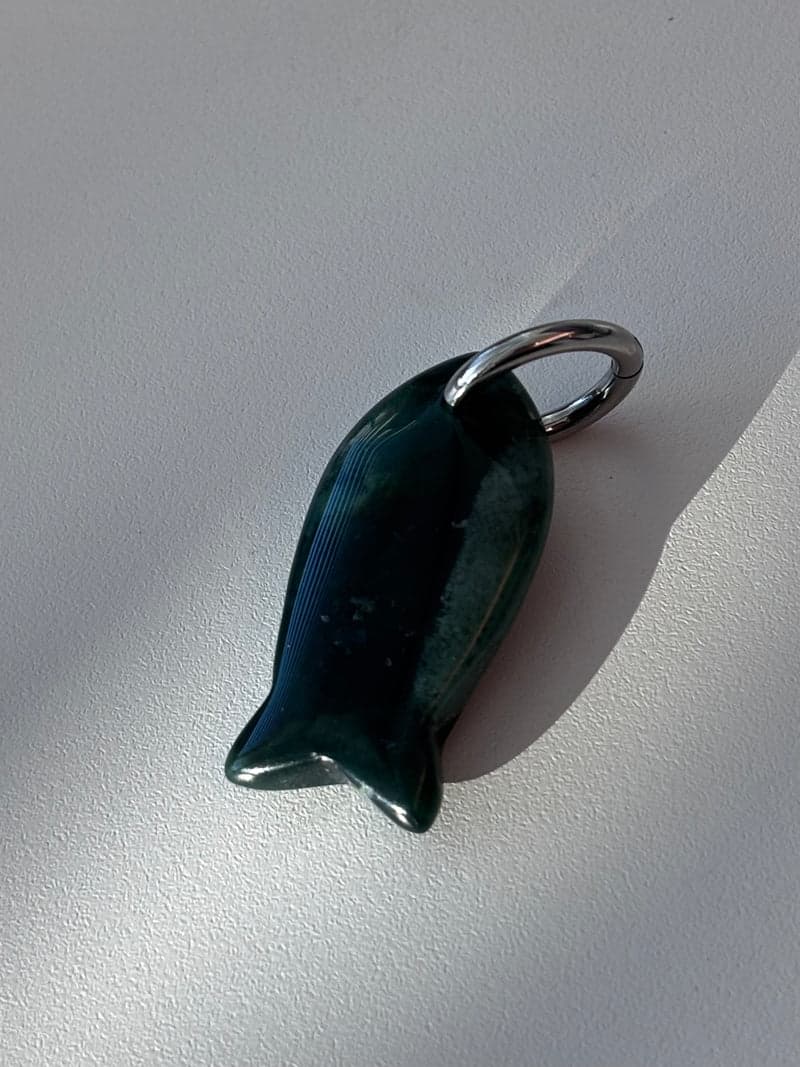
Affiliate link: if you buy through it, Astra Trainer may earn a commission. The price is the same for you.
Photographs courtesy of Aven Atelier.
A working stone before it was a jewel
Long before it carried meanings, jasper was a tool. Because it is hard, tough and breaks predictably, it was worked much like flint. At Mehrgarh, in what is now Pakistan, green jasper was shaped into the tips of bow drills in the fifth and fourth millennia BCE.
By around 1800 BCE, carvers on Minoan Crete were cutting jasper into seals, small engraved stones pressed into clay to mark ownership. Opaque stone suits a seal: the design reads cleanly because nothing shows through from behind. Across the ancient Mediterranean and Near East, jasper stayed a favourite for seals and engraved gems for centuries.
Dendritic jasper, and trees that are not trees
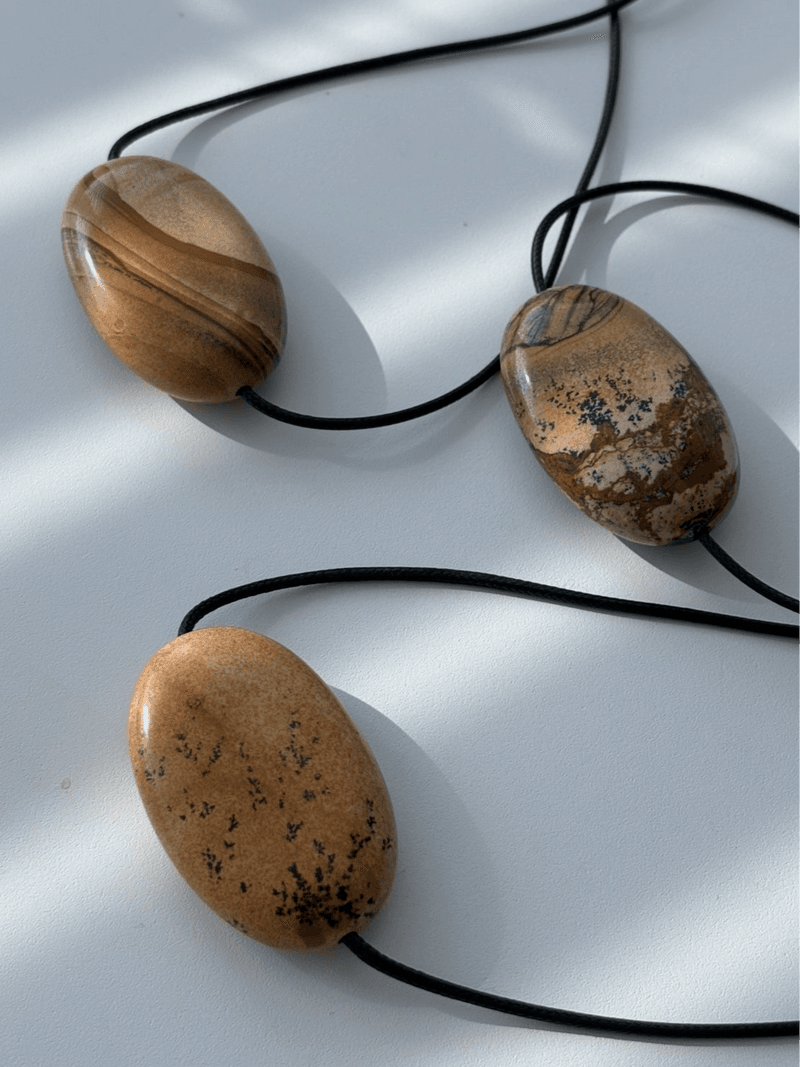
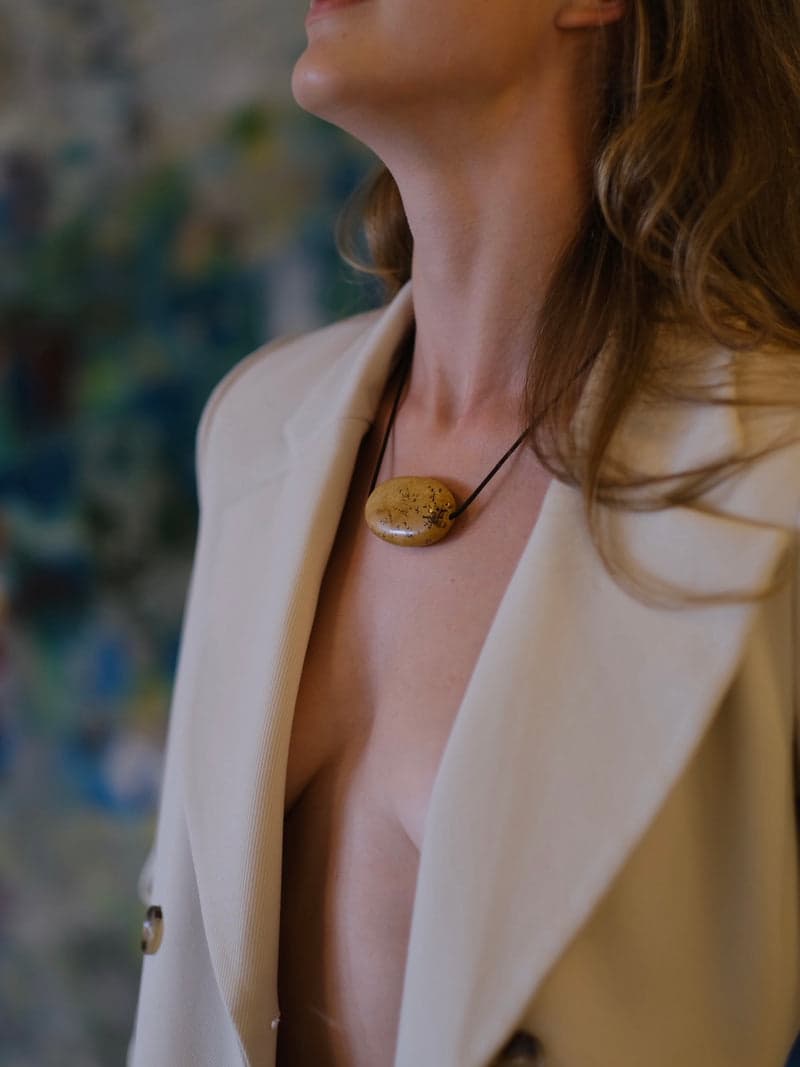
Some jasper carries fine, dark, branching marks that look exactly like tiny ferns or trees drawn in ink. They are called dendrites, from the Greek for tree, and they are the most commonly misunderstood feature of the stone.
Dendrites are not fossils. They are crystals, usually of manganese or iron oxide, that grew along hairline cracks in the rock as mineral-rich water seeped through. The branching shape is the same pattern frost makes on a window: growth that spreads fastest at its tips. No plant was involved.
That makes a dendritic stone a small record of water moving through rock, which is interesting enough on its own. It does not need the story of a fossil forest to earn its place.
Affiliate link: if you buy through it, Astra Trainer may earn a commission. The price is the same for you.
Photographs courtesy of Aven Atelier.
Green jasper, and the stone called blood
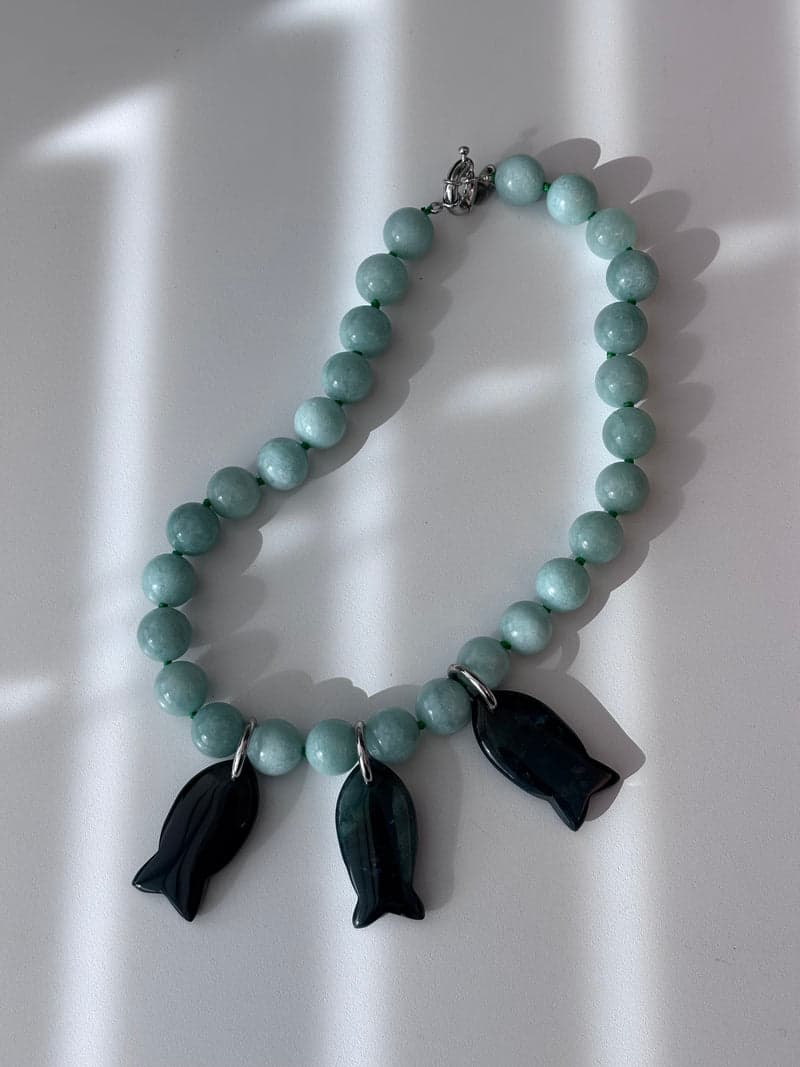
Green jasper is less common than red and was, in the ancient world, the more admired. Its most famous relative is bloodstone, also called heliotrope: a dark green chalcedony scattered with red spots of iron oxide.
The name heliotrope comes from the Greek for sun-turning, after an ancient belief that the stone could turn the sun red when placed in water. The name bloodstone comes later. In the twelfth and thirteenth centuries a Christian legend grew up that the stone first formed when drops of Christ's blood fell on green jasper at the foot of the Cross, and bloodstone became known as the martyr's stone, carved with scenes of the Crucifixion.
Both stories are ways of explaining red on green. The geology is simpler: iron oxide gathered in patches rather than spreading evenly. The legends are history worth knowing, not properties the stone has.

Affiliate link: if you buy through it, Astra Trainer may earn a commission. The price is the same for you.
Photographs courtesy of Aven Atelier.
Not a health or safety instrument. No stone treats any illness, and there is no evidence that jasper or any other mineral has therapeutic effects on physical or mental health conditions. Nothing here is medical advice, and no stone should be used in place of medical care.
The names that are not jasper
Jasper is the stone trade's most generous name. Because it simply means patterned, opaque stone, it has been attached to almost anything patterned and opaque, whether or not it is chalcedony.
Dalmatian jasper, the cream stone with black spots, is an igneous rock made of feldspar, quartz and a dark mineral called arfvedsonite. It is not jasper at all. Ocean jasper is a trademark for material from Madagascar made of spherulitic chalcedony in a silicified volcanic rock, which is at least related, though the orbs that make it recognisable are not what jasper usually looks like. Dozens of other jaspers are named for a place, a colour or a pattern and cover whatever rock the dealer had.
None of this makes the stones less attractive. It means the word jasper on a label tells you about appearance, not composition. If the composition matters to you, it is worth asking what the stone actually is.
Telling what you have
| What you see | What it usually means |
|---|---|
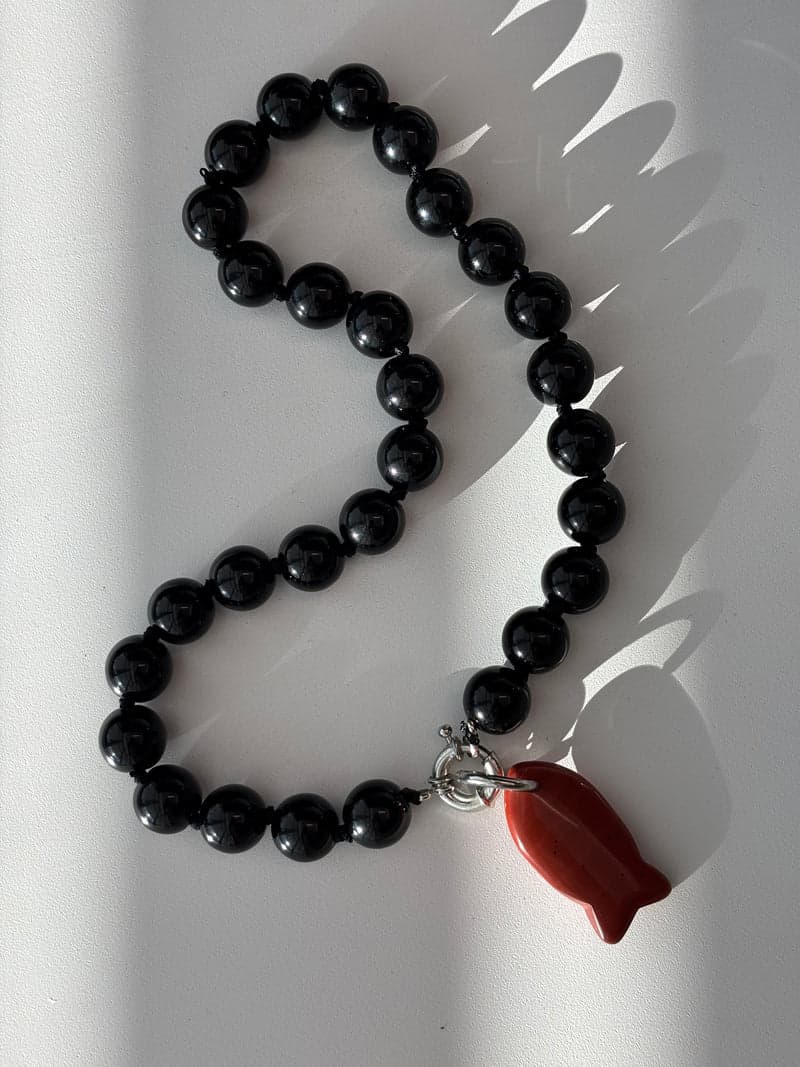
| Opaque, brick red, even colour | Red jasper, coloured by hematite |
| Light glows through the thin edges | Closer to agate or carnelian than to jasper |
| Dark branching marks like tiny ferns | Dendrites of manganese or iron oxide, not fossils |
| Dark green with red spots | Bloodstone, also called heliotrope |
| Cream with black spots, sold as dalmatian jasper | An igneous rock, not jasper |
The simplest test is light. Hold a thin edge up to a lamp. If light comes through, you are looking at translucent chalcedony, which the trade would usually call agate or carnelian. If nothing comes through at all, it is behaving like jasper.
After that, ask the seller what the stone is made of. For true jasper the answer is quick. For a trade name the answer is often the interesting part.

Affiliate link: if you buy through it, Astra Trainer may earn a commission. The price is the same for you.
Photographs courtesy of Aven Atelier.
What to take from this
Jasper is opaque chalcedony, a fine-grained quartz carrying enough iron oxide, clay and other minerals to block the light, and those impurities give it its colours.
The name is ancient and Semitic in origin, but the ancient iaspis was translucent and often green, so old texts rarely mean what a modern label means.
Red jasper has one of the earliest recorded meanings of any stone: the tyet amulet of Isis, prescribed in the Book of the Dead and placed at the throat of Egyptian mummies for well over a thousand years.
Which is why the jasper meaning worth keeping is not a list of properties. It is that people have been reading protection and life into a patch of red for as long as they have been burying their dead, and that the stone has carried that meaning through more changes of name than almost any other.
Test yourself
Question 1 of 3
What working definition does the article give for telling jasper from agate?
What is jasper made of?
Jasper is chalcedony, a fine-grained form of quartz, mixed with enough iron oxide, clay and other minerals to make it opaque. The impurities give it its colours: hematite for red, iron hydroxides for yellow and brown. It sits at roughly 6.5 to 7 on the Mohs scale.
What is the difference between jasper and agate?
Both are chalcedony. Agate is translucent, so light passes a little way into it, and it is often banded. Jasper is opaque, because it carries so many impurities. Holding a thin edge up to a lamp usually tells them apart.
What did red jasper mean in ancient Egypt?
Chapter 156 of the Book of the Dead prescribes a tyet, a knot amulet of Isis, made of red jasper and placed at the neck of the dead for protection. Mummies were almost always given one from the Eighteenth Dynasty onward, though some examples are carnelian or red glass.
Is dendritic jasper a fossil?
No. The branching marks are dendrites, crystals of manganese or iron oxide that grew along hairline cracks as mineral-rich water moved through the rock. They look like tiny plants, but no plant was involved.
Is dalmatian jasper real jasper?
No. Dalmatian jasper is an igneous rock made of feldspar, quartz and a dark mineral called arfvedsonite. Like many stones sold as jasper, it carries the name because of its appearance, not its composition.
Where this leads. Crystal Meanings and Their Origins, Traced does for the whole list what this article does for one stone: it follows the modern meanings back to the people who wrote them down, and finds most of them younger than the knot of Isis by several thousand years.