
Semiconductors, Electronics & Quantum
From the transistor to the qubit — the hardware layer every other frontier industry waits on.
Training catalog: Chips & Quantum →
The Deadline Was Set Before the Machine Exists
Post-quantum migration has published dates: deprecation of today's public key cryptography around 2030 and disallowance around 2035. Why the work starts with an inventory nobody has.

Most Quantum Computing Jobs Are Not Quantum Physics
The hiring in quantum computing is cryogenics, microwave electronics, control systems and software. Why the field is staffed by engineers, and what it can and cannot yet do.
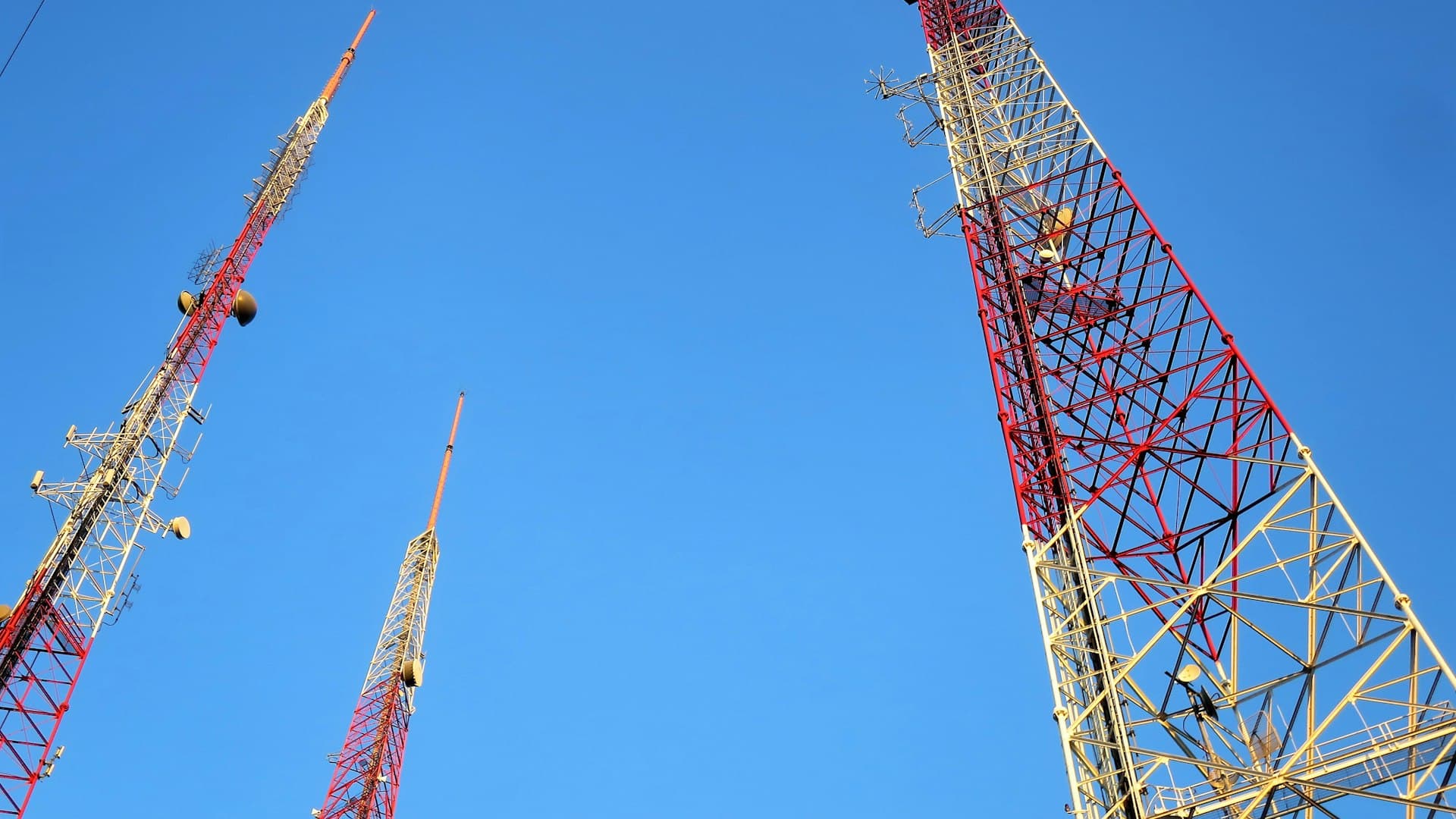
The Discipline Where the Schematic Lies
At radio frequency the copper is part of the circuit, a trace is an inductor and a gap is a capacitor. Why RF engineering resists automation, and why the people who can do it are getting older.
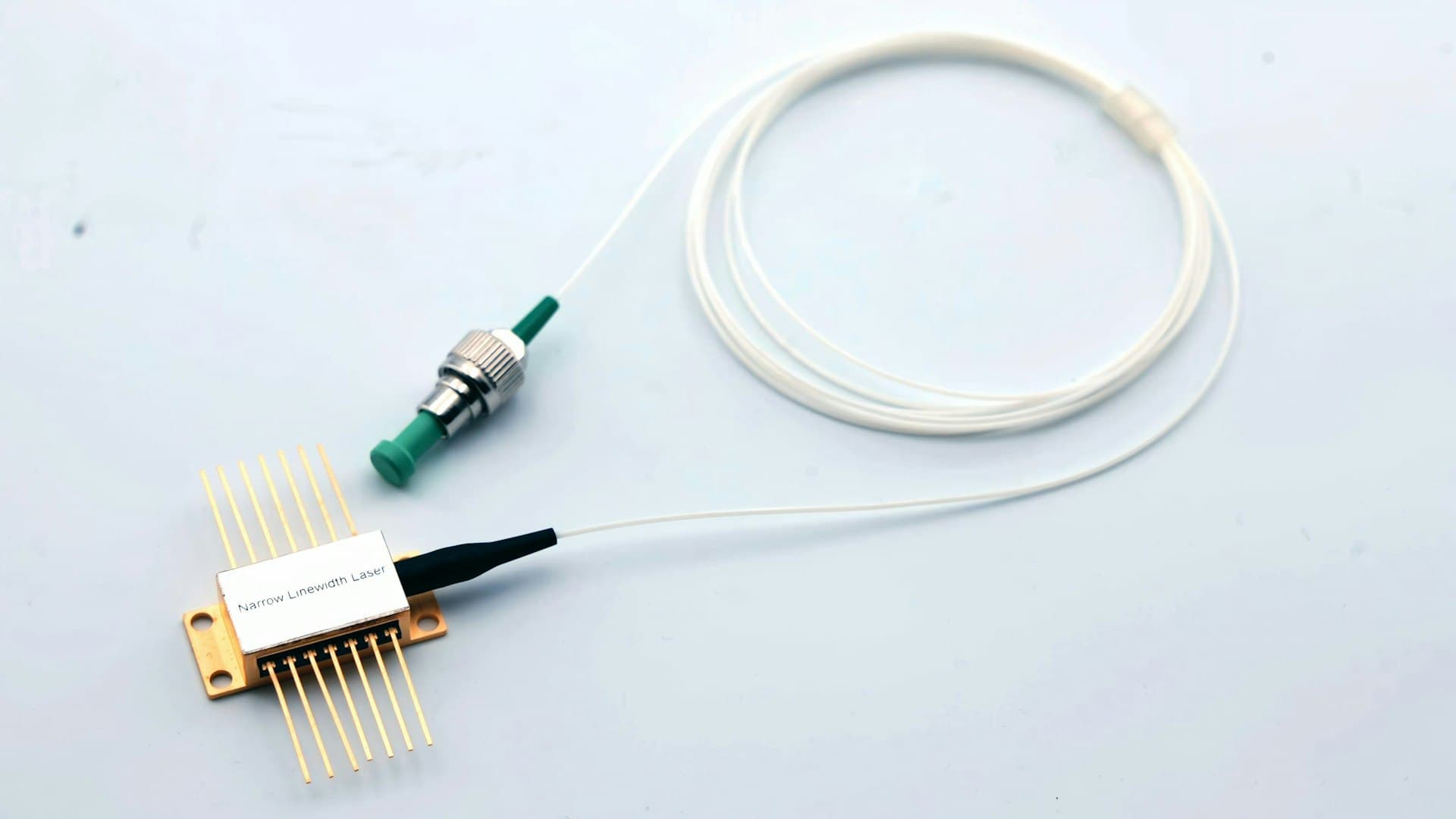
The Hard Part of Photonics Is Getting the Light In
Photonic chips can be made in a semiconductor fab. Packaging them still involves aligning a fibre to a waveguide with sub-micron precision, and that is where the cost and the shortage sit.
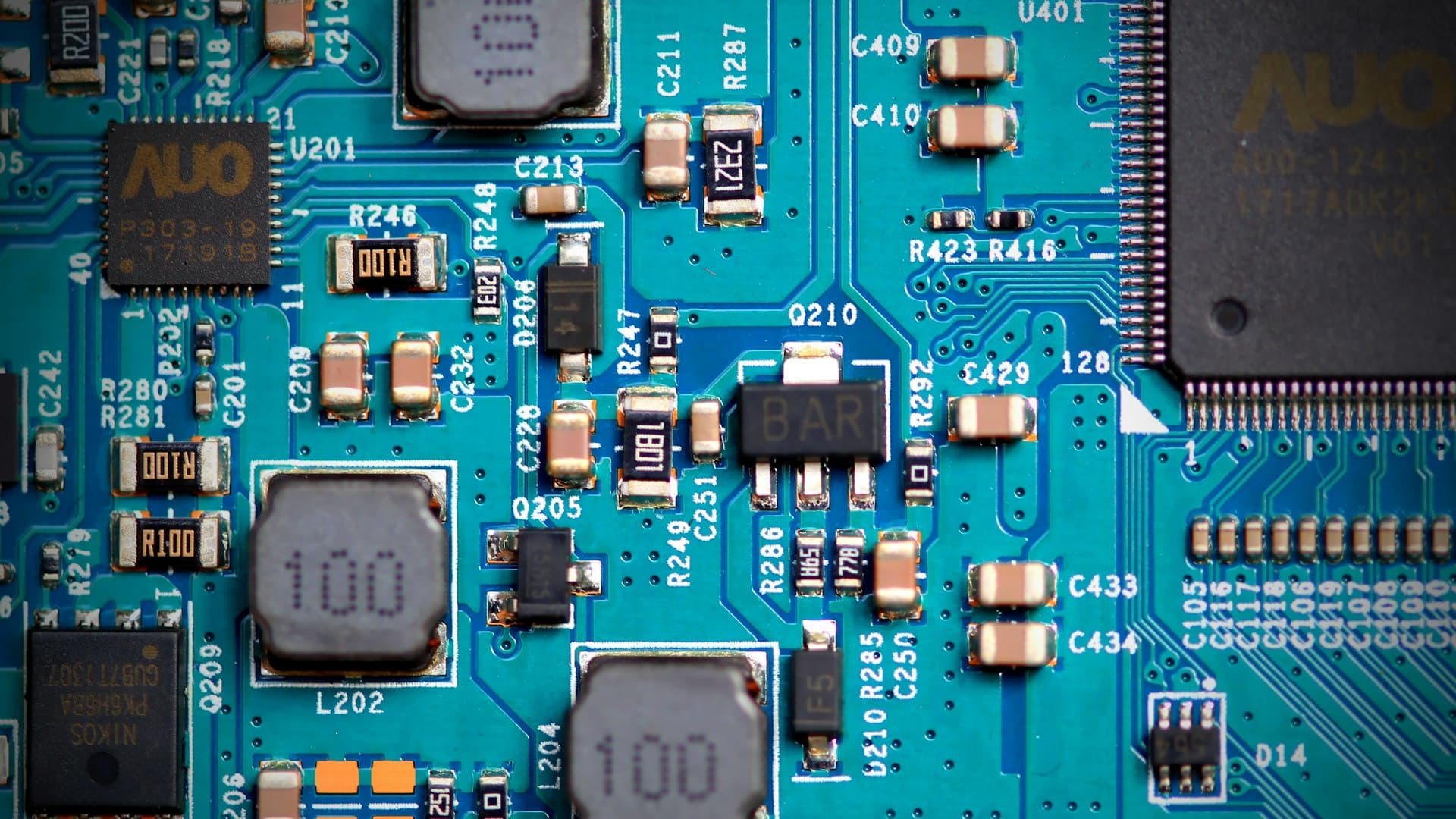
The Software That Cannot Be Fixed on Tuesday
Embedded software runs on hardware you cannot change, in memory you cannot expand, for a decade after it ships. Why the constraints, not the language, define the discipline.
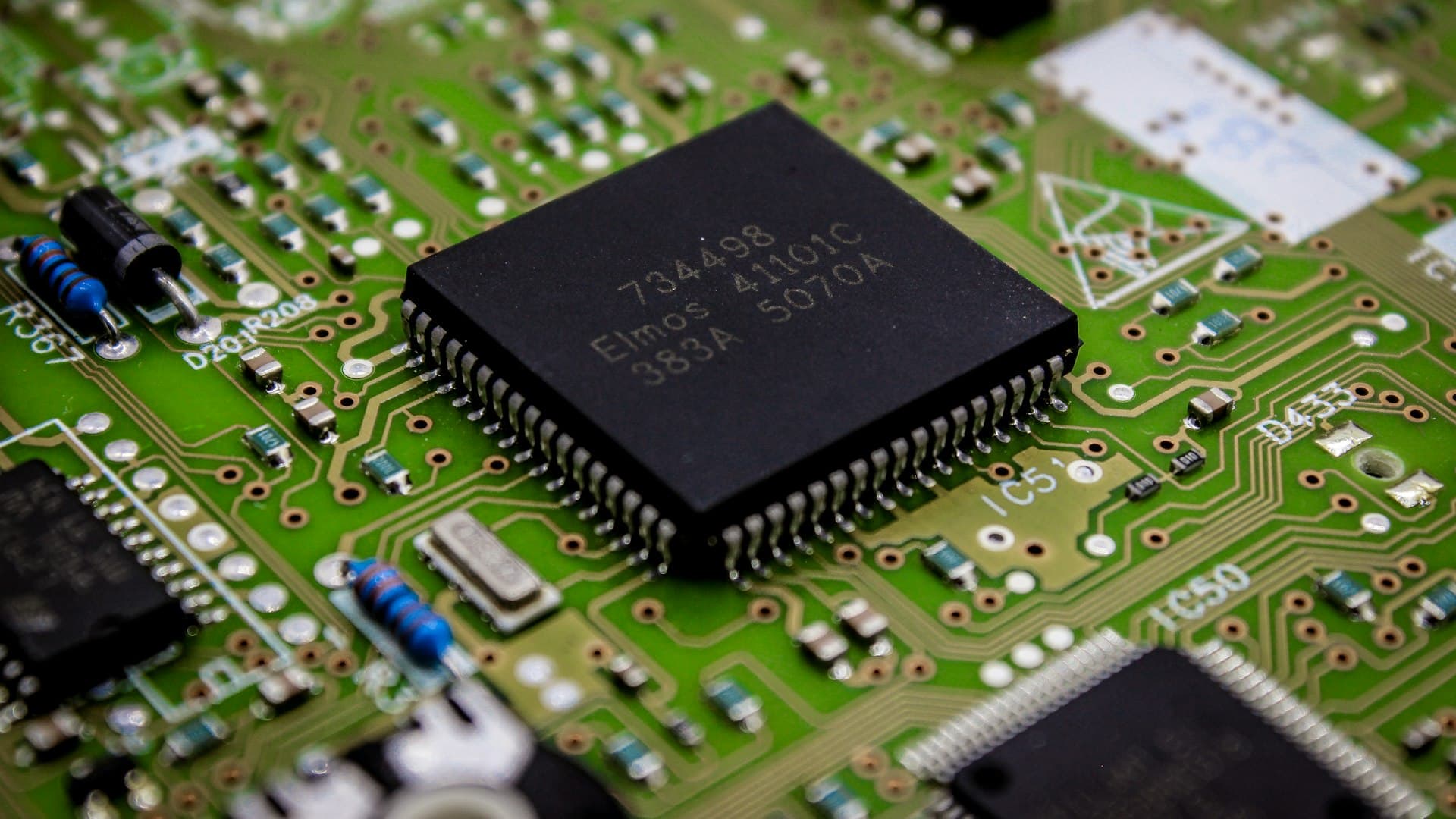
Verification Is Most of Chip Design
Everyone wants to be an architect. The majority of the effort, the schedule risk and the unfilled roles sit in verification, physical design and the work that follows the idea.

Nobody Debugs a Device They Do Not Understand
Device physics is the layer everyone skips and every hard failure comes back to. Why yield problems, reliability problems and datasheet surprises are all physics problems wearing other clothes.
The Circuit Works on the Bench and Fails in the Field
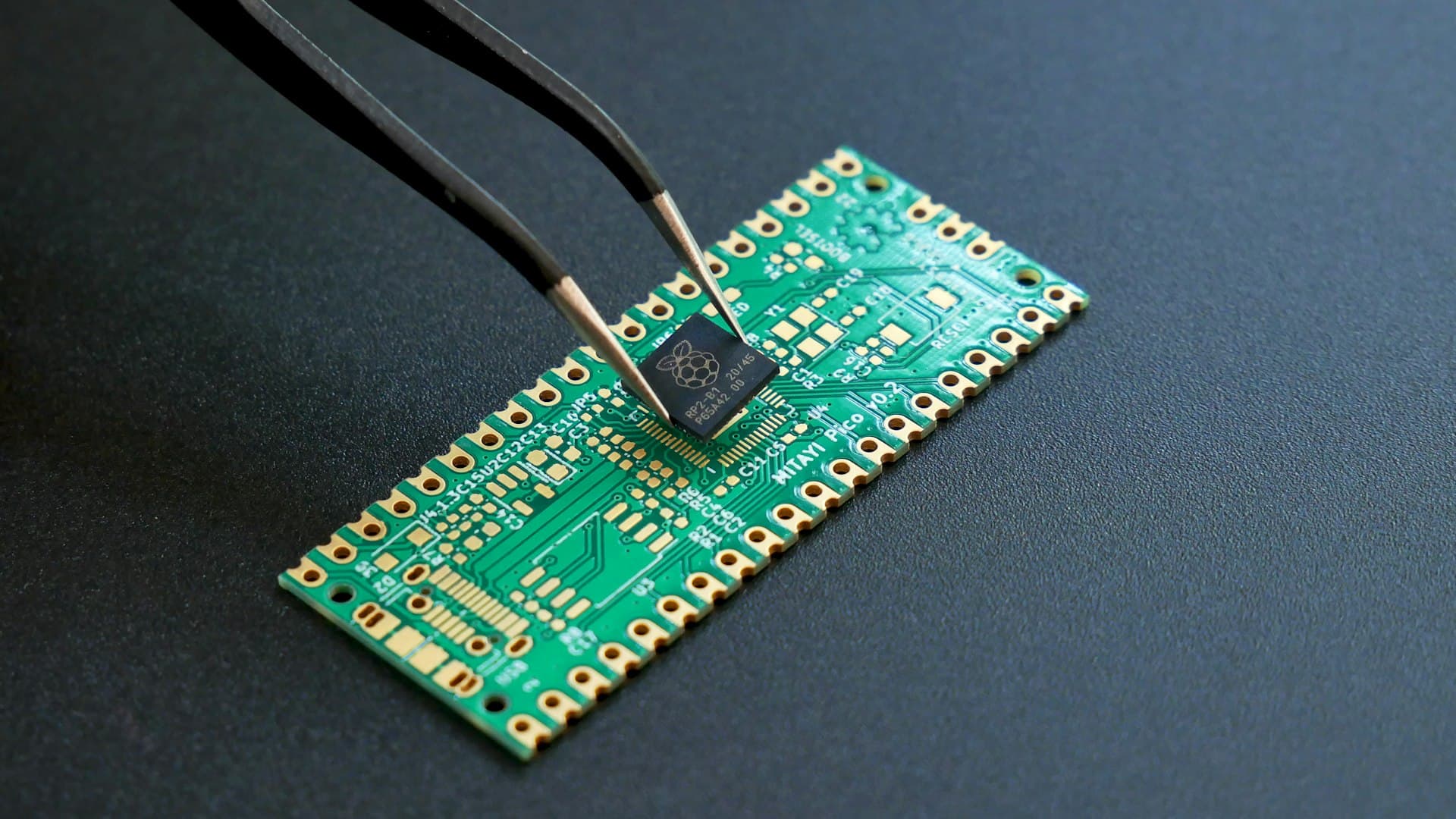
A prototype that works once is not a product. What separates electronics engineering from circuit building: tolerance, thermal behaviour, electromagnetic compatibility and parts that stay available.

67,000 Chip Jobs With Nobody in Them
The fabs are funded and the workforce is not. What the SIA and Oxford Economics projection actually says, why the largest part of the gap needs the least education, and what that implies for building a pipeline.