
Advanced Manufacturing & Industry
The connected factory: automation, quality, digital twins and the operations that keep output moving.
Training catalog: Manufacturing →
Predictive Maintenance Fails Without Maintenance Capacity
An alert saying a bearing will fail in three weeks is worthless if nobody can schedule the intervention. Why the analytics layer is not the constraint.

Planning Is Where the Cash Sits
Inventory is the largest controllable asset in most manufacturers and planning capability decides how much of it you need. Why forecast accuracy is the wrong target.

A Digital Twin That Nobody Updates Is a Drawing
The word covers everything from a 3D visualisation to a validated live model. What distinguishes the versions, which ones earn their cost, and who maintains them.
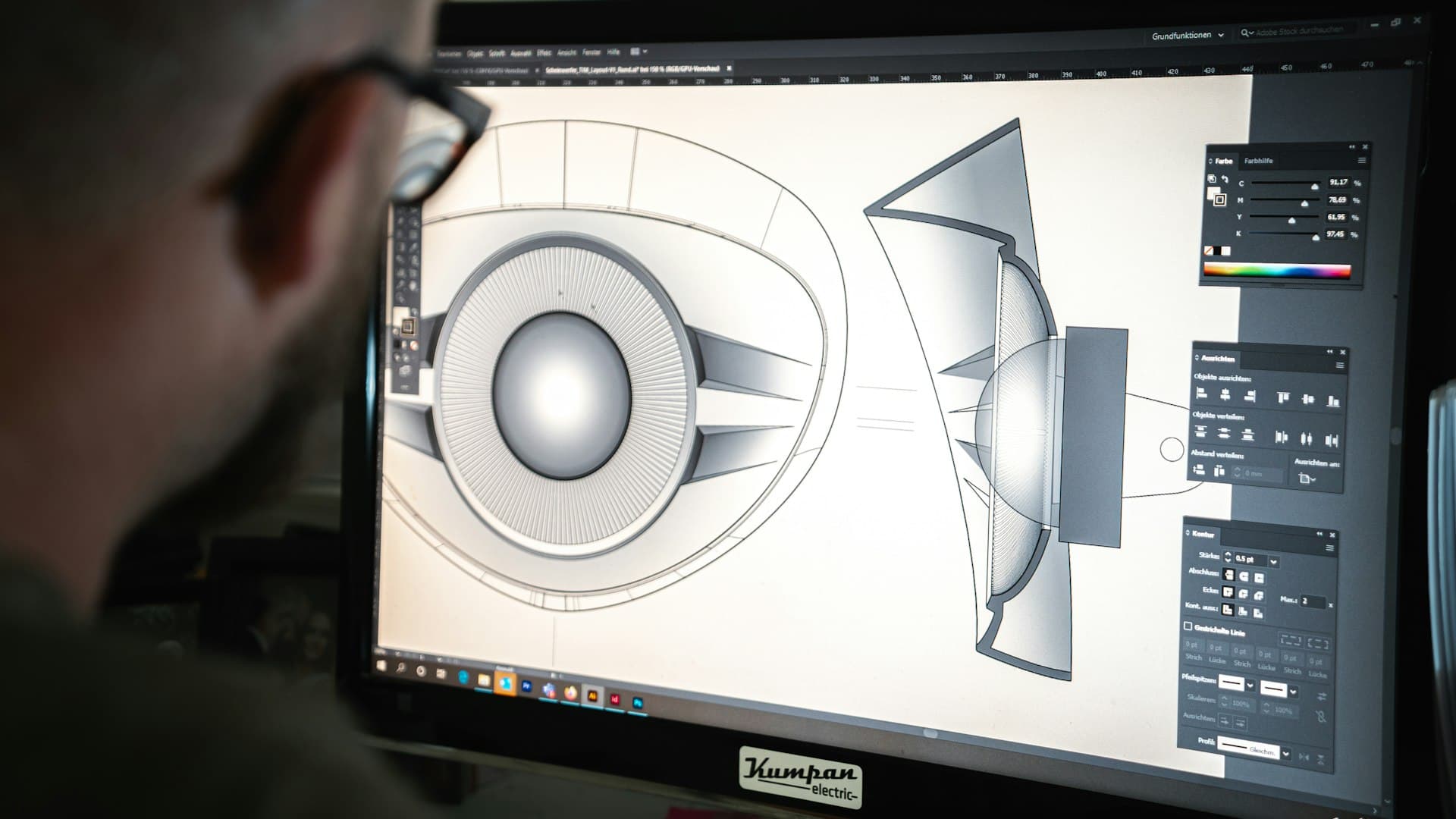
The Model Is the Master, and Nobody Owns It
Product data management fails in the same way everywhere: multiple versions, unclear ownership and a change process people route around. What actually fixes it.
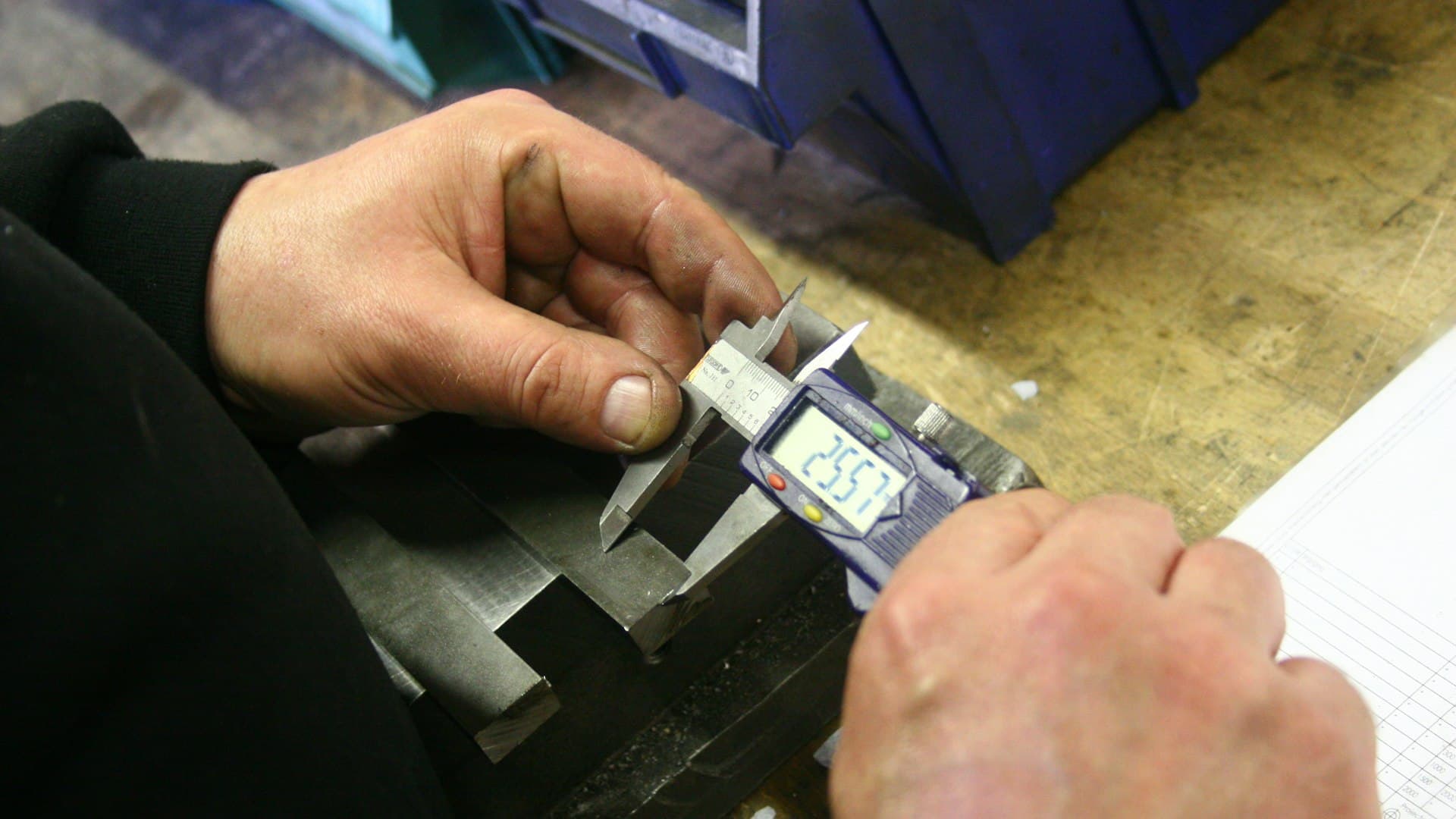
Inspection Is Not Quality
Sorting good parts from bad after the fact is the most expensive and least effective form of quality control. What process capability, FMEA and measurement system analysis actually do.
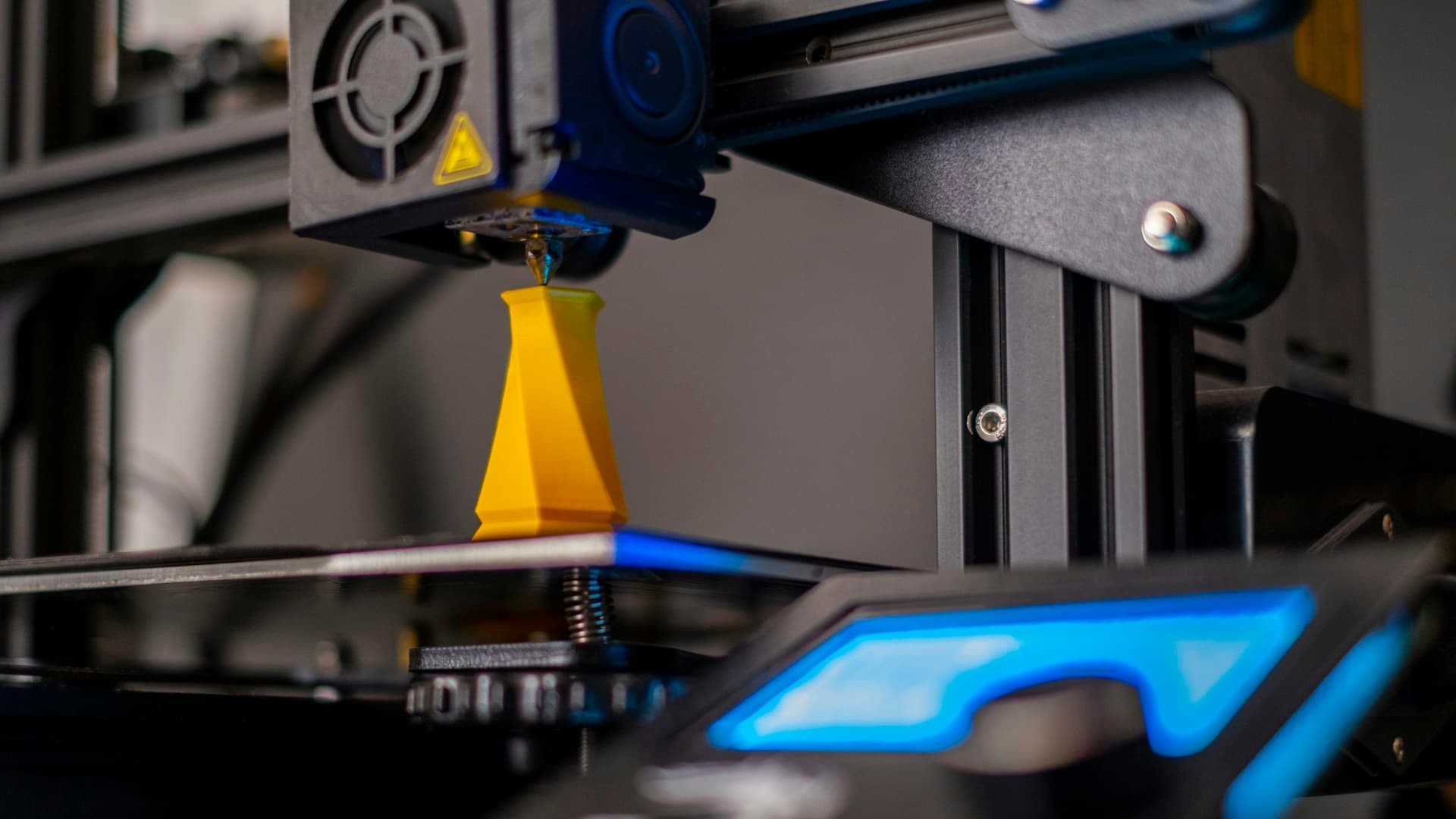
Printing the Part Is the Cheap Half
Post-processing, inspection and qualification frequently cost more than the build. Where additive genuinely wins, where it does not, and which roles the technology actually needs.
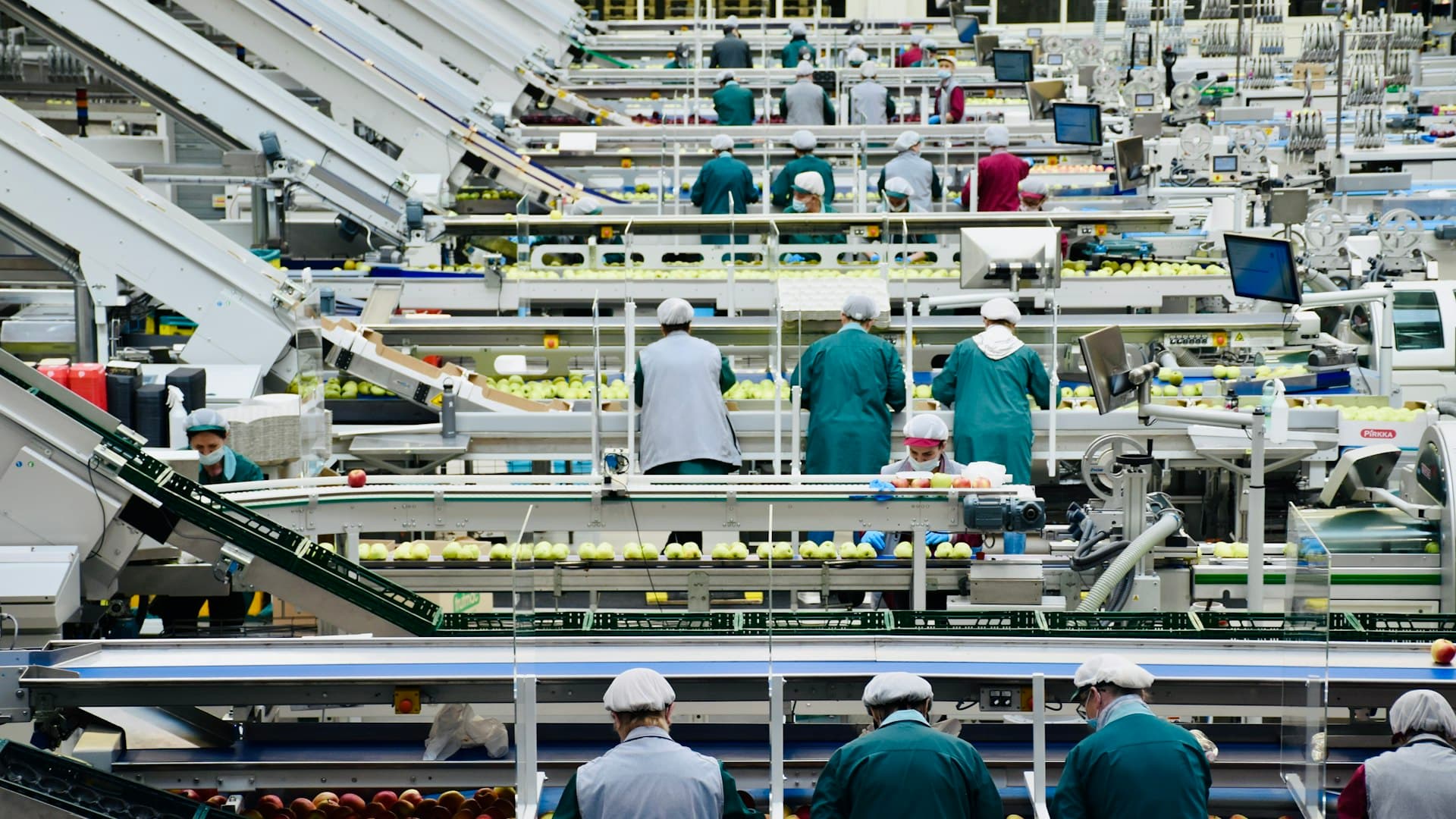
Lean Fails When It Is Installed Rather Than Practised
Most lean programmes produce boards nobody updates and events nobody follows up. The difference between the tools and the practice, and what actually makes improvement stick.
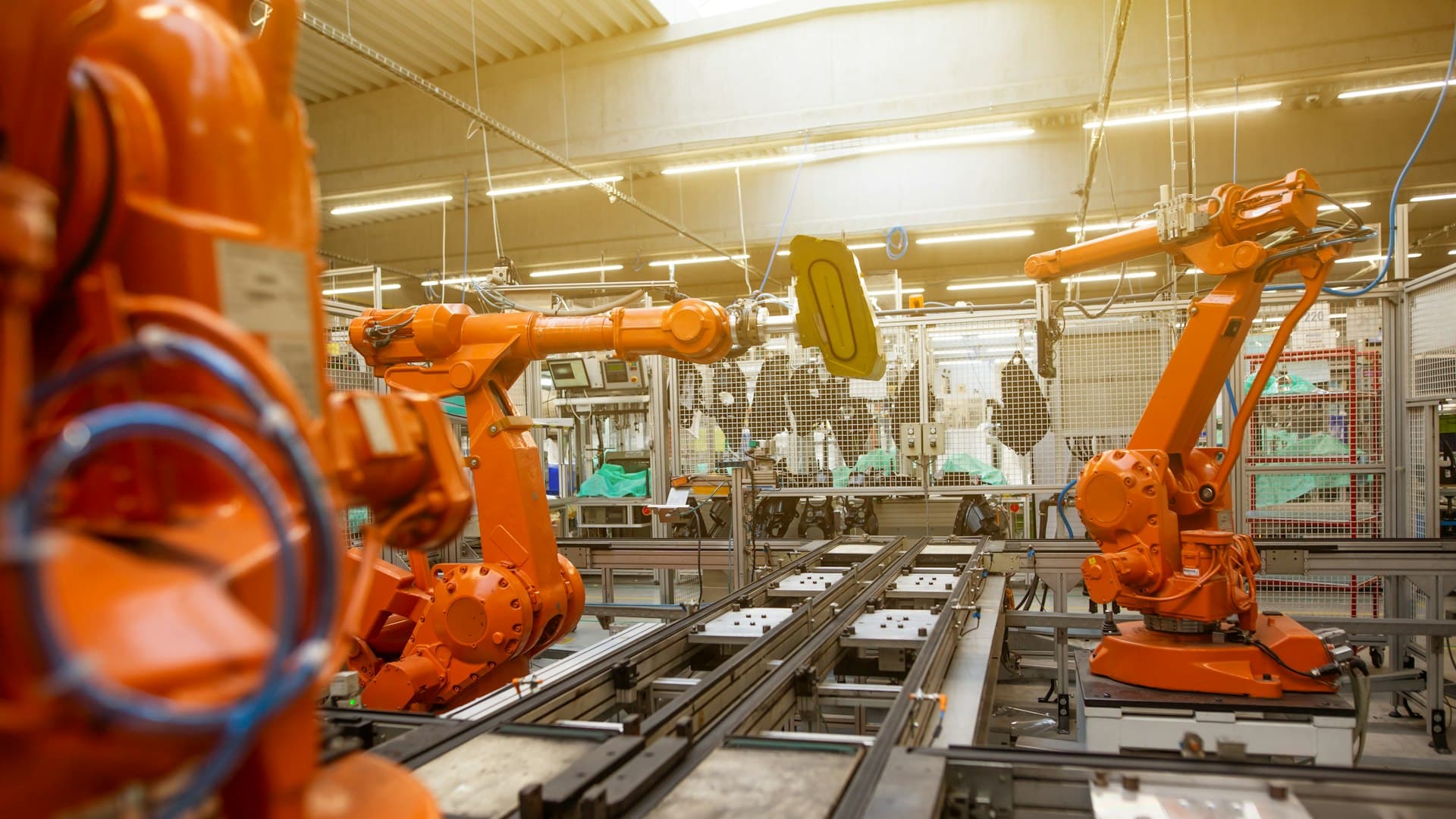
Most Industry 4.0 Data Is Never Used
Plants now generate enormous quantities of production data and act on very little of it. The constraint is people who can turn it into a decision, not more sensors.
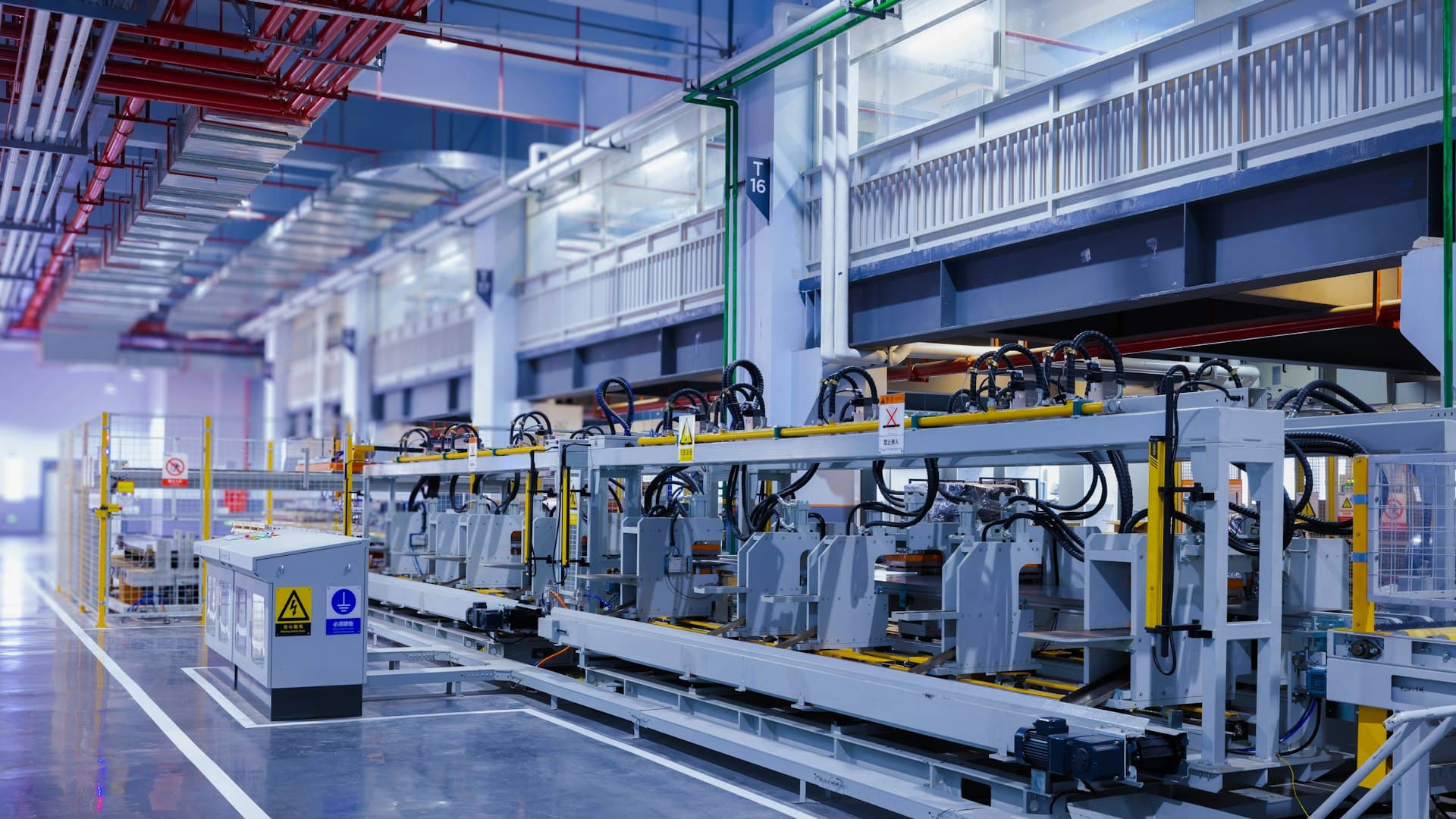
The Engineer Who Decides What Everything Costs
Process selection, tooling and line layout lock in the cost of a product before anyone builds one. The role that makes those decisions is short and rarely targeted.

The Machines Arrived. The Skills Did Not
Fifty-eight percent of employers expect automation to transform their business by 2030. The constraint on most factory floors is not the equipment budget, it is the number of people who can run what has already been bought.